Best Cheeses for Pizza: A Home Cook's Guide
Share
Discover the best cheeses for pizza to elevate your home cooking. From classic mozzarella to flavorful provolone, learn how to create delicious pies.
Low-moisture whole-milk mozzarella is the best all-around cheese for pizza — it melts cleanly, stretches satisfyingly, and browns without turning soggy. Expert consensus puts it as the right call for the vast majority of home pizza situations. For most pies, you don’t need to think much further than that.
When you do want more flavor, the rule is simple: use mostly low-moisture whole-milk mozzarella as your base, blend in a smaller portion of provolone for tang and depth, then finish with a light grate of Parmesan or Pecorino Romano after the bake. That three-part system covers New York style, Sicilian, and most specialty pies.
The short list of top pizza cheeses:
- Low-moisture whole-milk mozzarella — the foundation; best melt, stretch, and browning for home ovens
- Provolone — the best blending partner; adds tang without wrecking the melt
- Parmesan / Parmigiano-Reggiano — finishing cheese only; grate after baking
- Pecorino Romano — sharper, saltier finishing alternative to Parmesan
- Fontina — creamy secondary for white pies and richer blends
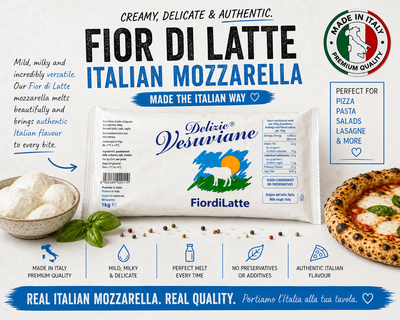
- Fresh mozzarella (fior di latte / buffalo) — Neapolitan style only; must be well drained
- Asiago — nutty accent cheese; use sparingly in blends
- Smoked gouda — bold accent for BBQ and caramelized-onion pies
- Sharp cheddar / Monterey Jack — blend additions for American-style pies
- Ricotta — dolloped on white pizzas for creaminess
- Grande East Coast Blend, BelGioioso, Tillamook — widely available US brands worth knowing
Table of Contents
- Why is mozzarella the foundation of great pizza cheese?
- Which secondary cheeses blend best with mozzarella?
- When and how should you use Parmesan and Pecorino on pizza?
- How do meltability, stretch, moisture, and aging affect your pizza?
- What cheese should you use for each pizza style?
- How do you prepare cheese so it performs well in a home oven?
- Ready-to-use cheese blends with ratios and topping pairings
- What do kitchen tests and pizza experts actually say?
- What are the best dairy-free cheese options for pizza?
- How should you store pizza cheeses before use?
- Key Takeaways
- The cheese advice most home cooks ignore
- Where to get the right dough to go with your cheese
- Useful sources
Why is mozzarella the foundation of great pizza cheese?
The short answer is moisture control. Low-moisture mozzarella has significantly less moisture than fresh mozzarella, which runs considerably higher. That gap matters enormously in a home oven. At typical home oven temperatures around 500–550°F, a pizza bakes long enough for excess water to steam the crust into a soggy mess if high-moisture cheese is used without care. Low-moisture mozzarella releases almost none during baking, so the crust stays crisp and the cheese browns properly.

Fat content is the other variable. Whole-milk mozzarella has more fat than part-skim, which means it melts more fluidly, browns with better color, and tastes richer. Part-skim works fine, but it can look pale and slightly rubbery. For a home oven, whole-milk is worth the small price difference.
| Property | Low-moisture mozzarella | Fresh mozzarella |
|---|---|---|
| Moisture content | — | 60%+ |
| Best bake environment | Home oven (500–550°F), NY-style | Wood-fired (850–900°F), Neapolitan |
| Typical role | Base cheese, full coverage | Sparse placement, Neapolitan only |
| Sogginess risk | Low | High without draining |
| Browning | Excellent | Minimal |
One more thing: buy a block and shred it yourself. Pre-shredded mozzarella is coated with cellulose or potato starch to prevent clumping in the bag. Those coatings inhibit a smooth, cohesive melt and can make the cheese look grainy on the finished pie. Two minutes with a box grater makes a real difference.
Pro Tip: If you’re using fresh mozzarella, tear it into pieces, lay them on a paper towel or wire rack, and let them drain for 20–30 minutes before topping the pie. Salt lightly if you like. Place the pieces sparsely — you should still see sauce between them — and use a very hot oven or a wood-fired setup to bake fast enough that the moisture flashes off rather than pools.
Which secondary cheeses blend best with mozzarella?
Provolone is the clear first choice as a blending partner. It melts smoothly and evenly, adds a savory tang that mozzarella alone can’t deliver, and doesn’t fight the stretch — it just deepens the flavor. Blend ratios of 70–90% low-moisture whole-milk mozzarella to 10–30% provolone reproduce the classic New York pizzeria taste at home. Mild provolone melts cleaner; aged provolone carries a sharper finish. Either works — the aged version just needs a lighter hand.
Beyond provolone, here’s how the other secondary cheeses stack up:
- Fontina — melts beautifully into a creamy, almost silky layer. Best on white pies and four-cheese blends. Use a moderate portion of total cheese weight. BelGioioso makes a widely available domestic version.
- Asiago — nutty and slightly sharp, closer to Parmesan in flavor but softer enough to melt into a blend. Use a small amount as an accent. Aged Asiago is better grated as a finisher; younger Asiago works in a blend.
- Smoked gouda — punchy and distinctive. A little goes a long way; a small amount is sufficient. Pairs well with BBQ chicken, caramelized onions, or pulled pork pies. Tillamook makes a solid smoked gouda available at most US grocery chains.
- Sharp cheddar — adds depth but can separate at high heat if used as the primary cheese. Keep it to a moderate portion of a blend and choose mild or medium rather than extra-sharp. Tillamook’s medium cheddar holds up well.
- Monterey Jack — creamy, mild, and melts very well. Browns nicely on pan pizzas and makes a great crispy edge. Pepper Jack adds heat without sacrificing meltability.
- Ricotta — not a melting cheese; use it in dollops on white pizzas. High water content means it should be drained briefly before use, similar to fresh mozzarella.
Tillamook’s culinary experts recommend starting with a reliable mozzarella base for texture and pull, then adding small amounts of assertive cheeses like sharp cheddar or fontina for flavor layering. That approach keeps the melt consistent while letting the secondary cheese do the flavor work.
When and how should you use Parmesan and Pecorino on pizza?
Parmesan and Pecorino Romano are finishing cheeses, not structural ones. Both are aged, low-moisture, and high-protein, which means they don’t melt into a cohesive layer — they scorch. Under prolonged high heat, they turn bitter and grainy. The fix is simple: add them after baking or in the final 2–3 minutes to preserve their aroma and avoid bitterness.
The role of Parmesan on pizza isn’t to melt — it’s to season. A light grate over a hot pie adds concentrated umami, a nutty sharpness, and an aroma that makes the whole slice smell better. Think of it the way you’d think of a finishing salt: you’d never cook with fleur de sel, but you’d reach for it at the table. Parmesan works the same way on pizza.
Parmigiano-Reggiano is the gold standard, but domestic Parmesan-style cheeses (Sargento, BelGioioso) work well for everyday pies. The flavor gap is real but not dramatic when the cheese is used as a finisher rather than a primary ingredient. For a Margherita or a white pizza where the Parmesan is a centerpiece, spring for the real thing.
Pecorino Romano is sharper and saltier than Parmesan — made from sheep’s milk rather than cow’s milk, it carries more aggressive flavor. Use it where you want a stronger punch: spicy sausage pies, broccoli rabe, or any pizza with bold toppings that can stand up to it. A 50/50 blend of Parmesan and Pecorino is a classic pizzeria move that balances nuttiness with salt.

For application: a Microplane or fine grater distributes the cheese evenly and lets it melt into the surface quickly. Coarse shavings from a vegetable peeler create pockets of intense flavor and look great on a Margherita. Use about 1–2 tablespoons per 12" pie — enough to season, not enough to dominate.
How do meltability, stretch, moisture, and aging affect your pizza?
Every cheese decision on a pizza comes down to four functional properties. Understanding them lets you pick the right cheese for any style without guessing.
- Meltability — how completely a cheese softens into a cohesive blanket. Young, high-moisture cheeses (mozzarella, fontina, Monterey Jack) melt best. Aged, low-moisture cheeses (Parmesan, aged Asiago) don’t melt smoothly and will scorch before they spread.
- Stretch — the elastic pull when you lift a slice. Mozzarella leads here because of its protein structure. Provolone melts silkily but pulls less. If stretch matters to you, keep mozzarella at 70% or more of the blend.
- Moisture content — the single biggest factor in crust sogginess. Low-moisture cheeses are your friend in a home oven. Fresh cheeses need draining and a fast, hot bake to avoid steaming the crust.
- Fat content — higher fat means better browning and a richer mouthfeel. Whole-milk cheeses brown more readily than part-skim. If your pizza looks pale, switching to whole-milk mozzarella often solves it.
- Aging — as cheese ages, moisture drops, protein tightens, and flavor concentrates. Aged cheeses add umami and complexity but lose meltability. Use them as accents or finishers, not as base cheeses.
- Browning tendency — fat and protein content both drive the Maillard reaction. Higher-fat cheeses brown faster. If your oven runs hot, watch provolone and cheddar blends closely.
When scanning labels in the store: look for “whole milk” on mozzarella, check that moisture content is listed as “low moisture,” and prefer “pasteurized” for food safety. A cheese labeled simply “part-skim mozzarella” will work but won’t brown as well.
What cheese should you use for each pizza style?
The cheese system changes with the style. Here’s what actually works for each build:
- Neapolitan — fresh fior di latte or Mozzarella di Bufala Campana DOP, well drained, placed sparsely. The AVPN (Associazione Verace Pizza Napoletana) specifies fresh mozzarella as the standard. Neapolitan pies bake very quickly at very high temperatures, which is why fresh mozzarella works there — the moisture flashes off before it can soak the crust. Finish with a light grate of Parmigiano-Reggiano or Pecorino after the bake. For the right dough to go with it, Doughdorks’ Neapolitan dough balls are built for exactly this style.
- New York — low-moisture whole-milk mozzarella as the base, with 10–30% provolone blended in for flavor and better browning. This is the combination that produces the darker, slightly caramelized top you see at a good New York slice shop.
- Detroit — brick cheese is the traditional choice, pushed to the pan edges to create the caramelized frico crust. Brick cheese can be hard to find outside the Midwest; a blend of low-moisture mozzarella and Monterey Jack (roughly 60/40) gets close. The key is pushing the cheese all the way to the pan edge.
- Chicago deep-dish and Sicilian — both styles involve long bakes, so moisture management is critical. Use low-moisture mozzarella as the base, layer it under the sauce (for deep-dish), and add aged provolone or a small amount of Parmesan for flavor. Avoid fresh mozzarella entirely here.
- White pizza — low-moisture mozzarella as the base, ricotta in dollops for creaminess, and fontina or asiago for richness. No tomato sauce means the cheese layer carries all the flavor, so the secondary cheese matters more here than on a red pie.
How do you prepare cheese so it performs well in a home oven?
Getting the cheese right before it hits the oven is half the battle.
- Shred from a block. Buy low-moisture mozzarella as a block and shred it yourself on a box grater. Pre-shredded bags contain anti-caking coatings that prevent a smooth melt. Shred right before use; pre-shredded cheese that sits in the fridge dries out.
- Drain fresh mozzarella. Tear into pieces, lay on paper towels or a wire rack, and rest for 20–30 minutes. For packaged-in-water fresh mozzarella, pat dry first, then drain. The drier it is, the better.
- Use the right amount. For a 12" pizza, 6–8 oz of low-moisture mozzarella is the right range for a standard pie. More than that and the cheese pools; less and you get bare patches. If you’re adding a secondary cheese, reduce the mozzarella accordingly to stay in that total range.
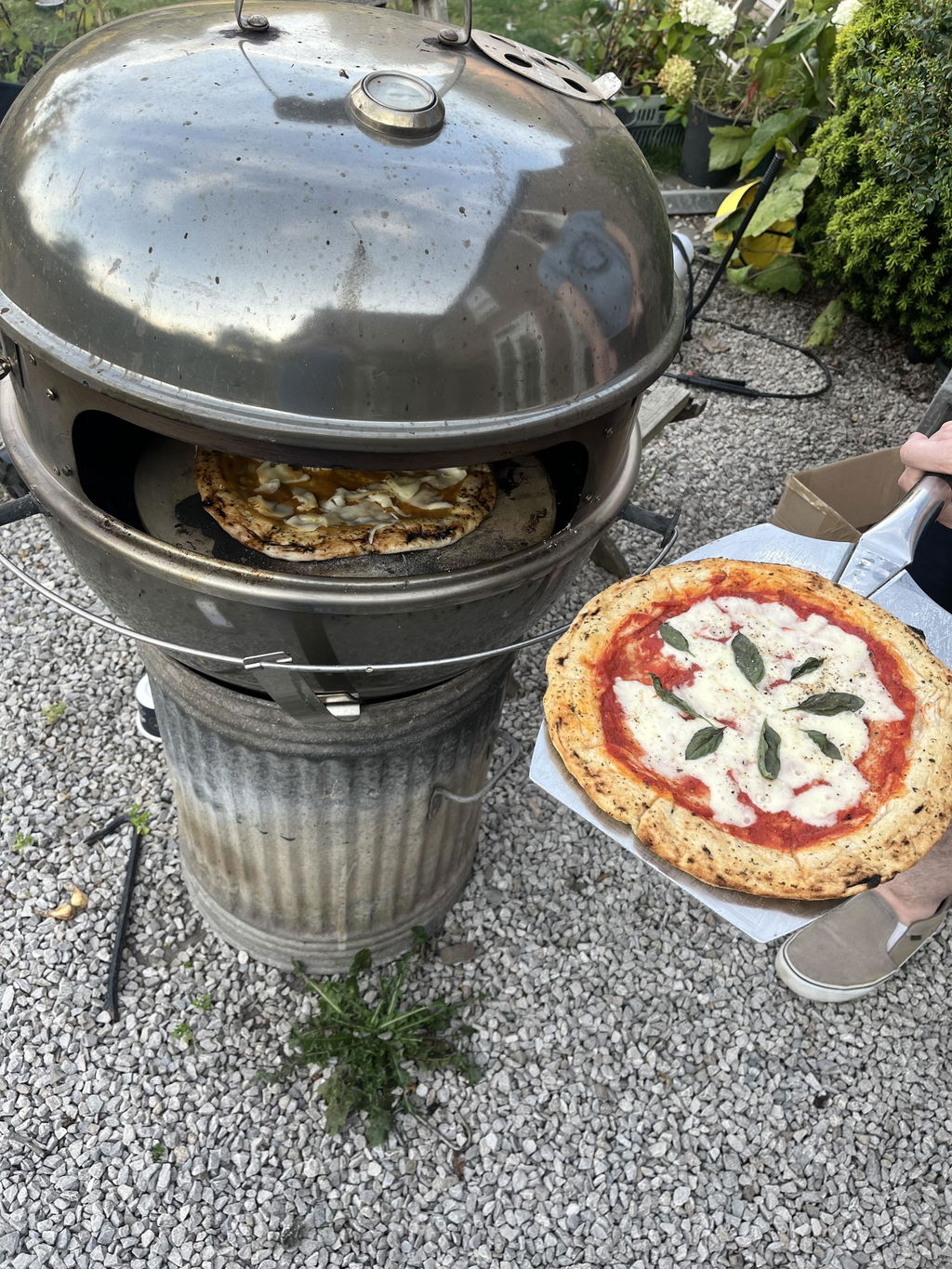
- Distribute evenly, leaving sauce gaps. For Neapolitan style, leave visible patches of sauce between the cheese pieces — that’s correct and intentional. For New York style, spread the shredded blend evenly to the edge.
- Push to the edges for Detroit. The frico crust only happens if the cheese touches the hot pan sides. Don’t be shy about it.
- Layer strategically. For a provolone-mozzarella blend, try placing the provolone slices down first, then the shredded mozzarella on top. The provolone melts into the sauce layer and creates pockets of sharper flavor throughout.
Pro Tip: Take your shredded mozzarella out of the fridge 15–20 minutes before topping the pie. Cold cheese takes longer to melt, which means the crust can overbake before the cheese is done. If your pizza looks done on the bottom but the cheese is still pale, a 60-second broil at the end fixes it fast. Watch it closely — it goes from pale to spotted in under a minute.
Ready-to-use cheese blends with ratios and topping pairings
These blends are designed for a home oven at 500–550°F, baking on a preheated steel or stone for 8–10 minutes.
- Classic New York — 85% low-moisture whole-milk mozzarella + 15% mild provolone. Pairs with tomato sauce, pepperoni, or Italian sausage. The provolone adds just enough tang to taste like a real slice shop pie.
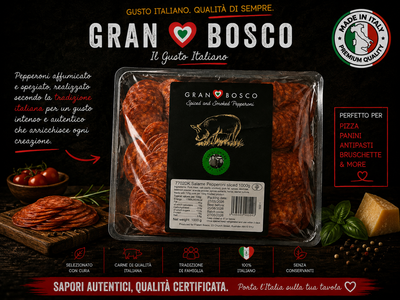
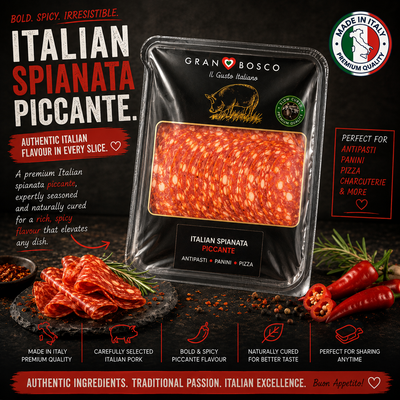
- New York with more bite — 70% low-moisture mozzarella + 30% aged provolone. Bolder flavor, slightly darker browning. Good with mushrooms, roasted garlic, or a spicy salami.
- White luxury — 70% low-moisture mozzarella + 20% fontina + ricotta dollops (about 3–4 tablespoons per 12" pie). No tomato sauce. Top with fresh thyme, garlic oil, and a post-bake grate of Parmesan.
- BBQ smoke — 75% low-moisture mozzarella + 25% smoked gouda. Pairs with BBQ pulled chicken, caramelized onions, and a drizzle of BBQ sauce. Keep the gouda percentage here — more than 25% and the smokiness becomes overwhelming.
- Four-cheese blend — 60% low-moisture mozzarella + 20% fontina + 10% mild provolone + 10% young Asiago. Finish with a grate of Pecorino after baking. Works on both red and white bases.
- American pan pizza — 60% low-moisture mozzarella + 25% Monterey Jack + 15% mild cheddar. Push to the pan edges for a crispy, golden border. Pairs with any classic American topping combination.
- Margherita finish — 100% fresh mozzarella (well drained), placed sparsely, with a post-bake grate of Parmigiano-Reggiano and fresh basil. Requires a very hot oven or a Neapolitan pizza oven to work properly.
- Ricotta white — 65% low-moisture mozzarella + ricotta dollops + a light scatter of Asiago. Add lemon zest and fresh arugula after baking.
Substitution note: If Parmigiano-Reggiano is unavailable or out of budget, domestic Parmesan-style cheese from BelGioioso or Sargento works well as a finisher. The flavor is slightly milder but the umami effect is similar.
What do kitchen tests and pizza experts actually say?
The expert consensus on low-moisture whole-milk mozzarella is unusually consistent. Kenji López-Alt’s kitchen work at Serious Eats compared supermarket mozzarella options and found that low-moisture versions outperform fresh in home ovens on both stretch and browning — the slower bake time at 500–550°F simply doesn’t suit fresh mozzarella’s moisture level.
Pizza School New York’s guidance reinforces the same point from a professional angle: the best pizza cheese isn’t a single ingredient, it’s a system. Their blend playbook pairs a performance mozzarella base with provolone for flavor and Romano or Parmigiano for finishing — the same 70–90/10–30 ratio that shows up in pizzeria kitchens across the country.
For home ovens specifically, the practical implication is this: at 500–550°F, you have 8–12 minutes of bake time. That’s enough for low-moisture mozzarella to melt, stretch, and brown beautifully. It’s too long for fresh mozzarella without careful draining. The Grande East Coast Blend (a professional mozzarella product available through restaurant supply channels) is worth knowing about if you want to replicate the exact texture of a New York pizzeria pie at home.
The Neapolitan exception is real and worth respecting. At 850–900°F in a wood-fired oven, fresh fior di latte or Mozzarella di Bufala Campana DOP is the correct choice — the bake is so fast that moisture isn’t a problem. Detroit’s brick cheese is similarly non-negotiable for the frico effect; no other cheese caramelizes against a hot steel pan quite the same way.
What are the best dairy-free cheese options for pizza?
For dairy-allergic or lactose-intolerant home cooks, the options have improved significantly. The main categories are:
Cashew-based cheeses melt reasonably well and carry a mild, slightly nutty flavor that works on white pies. They don’t stretch like mozzarella, but they brown acceptably at home oven temperatures.
Coconut oil-based shreds (brands like Violife and Daiya) are the most widely available dairy-free pizza cheeses in the US. Violife’s mozzarella-style shreds melt more smoothly than most plant-based options and produce a reasonable approximation of the low-moisture mozzarella melt. Use them at the same weight as you would dairy mozzarella.
Almond-based ricotta alternatives work well in dollops on white pizzas, where the texture difference is less noticeable.
The honest trade-off: dairy-free cheeses generally don’t stretch, and most don’t brown with the same Maillard reaction as dairy mozzarella. They also tend to release more oil during baking. To manage this, use slightly less than you would dairy cheese, and consider a brief broil at the end to encourage browning. Avoid layering multiple dairy-free cheeses — the oil release compounds and can make the pie greasy.
Lactose-intolerant cooks (as opposed to dairy-allergic) may find that aged cheeses like Parmesan and Pecorino Romano are naturally very low in lactose and can be used as finishers without issue.
How should you store pizza cheeses before use?
Storage affects both flavor and performance, and the rules differ by cheese type.
Low-moisture mozzarella (block): wrap tightly in plastic wrap or store in an airtight container in the coldest part of the fridge. Use within 1–2 weeks of opening. If the surface looks slightly dry, that’s fine — it won’t affect the melt. If it develops any pink or orange discoloration, discard it.
Fresh mozzarella: keep in its brine or water in the fridge and use within 2–3 days of opening. Don’t freeze it — the texture breaks down completely. If you buy it a day ahead, keep it submerged and drain just before use.
Provolone (block or sliced): wrap in wax paper, then plastic wrap. It keeps well for 3–4 weeks in the fridge. Sliced provolone dries out faster; use within a week.
Hard aged cheeses (Parmesan, Pecorino): wrap in wax paper or a slightly damp cloth, then loosely in plastic. The wax paper lets the cheese breathe without drying out. A wedge of Parmigiano-Reggiano keeps for 4–6 weeks this way. Pre-grated Parmesan in a shaker can loses its aroma quickly; buy a wedge and grate as needed.
Smoked gouda and fontina: treat like provolone. Wrap well and use within 2–3 weeks. Smoked gouda’s flavor intensifies as it ages in the fridge, which can be a feature or a problem depending on how bold you want the pie.
Ricotta: keep in its original container, tightly sealed, and use within 5 days of opening. It doesn’t freeze well for pizza use.
Key Takeaways
Low-moisture whole-milk mozzarella is the single best base cheese for home pizza; blend in 10–30% provolone for flavor, and finish with a light grate of Parmesan or Pecorino after the bake.
| Point | Details |
|---|---|
| Buy block, shred yourself | Pre-shredded cheese has anti-caking coatings that prevent a smooth, cohesive melt. |
| Use 70–90% mozzarella as your base | Keep mozzarella dominant in any blend to preserve stretch and prevent oil separation. |
| Add provolone for NY-style flavor | A 10–30% provolone addition produces the tang and browning of a real pizzeria pie. |
| Finish with Parmesan or Pecorino after baking | Hard aged cheeses scorch under prolonged heat; grate them on after the bake for best aroma. |
| Match cheese to your oven and style | Fresh mozzarella needs a fast, very hot bake; low-moisture mozzarella suits home ovens at 500–550°F. |
| Doughdorks for dough and toppings | Doughdorks’ curated pizza toppings pair directly with the cheese blends in this guide. |
The cheese advice most home cooks ignore
The single most overlooked piece of pizza cheese advice is also the simplest: stop buying pre-shredded mozzarella. It’s not a minor difference. The anti-caking coating on pre-shredded cheese creates a noticeably grainier, less cohesive melt — the kind that looks slightly separated and doesn’t pull cleanly. A block of whole-milk low-moisture mozzarella and two minutes with a grater produces a visibly better result every time.
The second thing most home cooks underestimate is the finishing cheese. Parmesan grated over a hot pie right out of the oven does something that no amount of base cheese can replicate — it adds a concentrated hit of umami and aroma that makes the whole pie smell and taste more complete. It’s not optional on a good pizza; it’s the seasoning pass.
The third point worth making: the 70–90% mozzarella to 10–30% provolone ratio is a starting point, not a rigid formula. If you want more tang, push toward 70/30. If you want cleaner melt and more stretch, stay at 90/10. The ratio gives you a framework; your palate adjusts it.
Where to get the right dough to go with your cheese
Getting the cheese right is one half of the equation. The other half is the dough, and that’s where Doughdorks comes in. Their 48-hour fermented Neapolitan dough balls are made with Italian 00 flour, fresh yeast, and extra virgin olive oil — the same ingredients and fermentation time used in Neapolitan pizzerias. If you’re pairing fresh mozzarella with a fast, hot bake, this is the dough that handles it correctly.

For home cooks who want a quicker route, Doughdorks also offers pre-cooked Neapolitan bases that are ready to top and finish in a home oven — ideal for testing the cheese blends in this guide without the dough prep. Browse the full range of curated cheeses and toppings at Doughdorks and find everything you need for a proper pizza night.
Useful sources
- The Pizza Craft: Best Cheese for Pizza — style-by-style breakdown of cheese choices and blend ratios; the source for the 70–90/10–30 mozzarella-to-provolone guidance.
- Pizza School New York: The Best Pizza Cheeses — professional pizzeria perspective on cheese systems, blend playbooks, and finishing cheese timing.
- Simply Recipes / Tillamook expert contribution — culinary expert guidance on flavor layering and starting with a mozzarella base.
- The Kitchn: 6 Best Types of Cheese for Pizza — accessible breakdown of mozzarella varieties, provolone, ricotta, cheddar, and Monterey Jack with practical tips.
- Vesuviano Forni: Neapolitan pizza oven temperature guide — detailed guidance on bake temperatures and why fresh mozzarella works at 850–900°F but not in slower home bakes.
- Doughdorks pizza toppings — curated cheeses and toppings selected for Neapolitan-style home pizza.
Recommended
- Anchovies on Pizza: What Home Cooks Need to Know
- Ready Made Pizza Bases Guide for Better Pizza - Dough Dorks
- Neapolitan Pizza Dough: Authentic Recipe for Home Ovens
- 10 Home Pizza Oven Accessories That Matter - Dough Dorks