Speck vs Prosciutto: 14 Months vs 22 Weeks, Which for Pizza?
Decide whether speck’s smoky 22 weeks or prosciutto’s 14 months of aging suits your pizza and other dishes. Includes buying, storage, and timing tips.
Speck is a smoked, air-dried ham; prosciutto is an unsmoked, salt-cured, long-aged ham. Use speck when you want smoky backbone in a hot dish or on pizza, and prosciutto when you want delicate sweetness in cold or lightly cooked preparations. Both can substitute for each other in many cooked recipes, but for raw antipasti, reach for authentic Speck Alto Adige PGI or Prosciutto di Parma depending on the flavor you’re after.
TL;DR:
- Speck’s smoking process provides a smoky flavor and firmer texture that distinguish it from prosciutto, which relies solely on salt curing and aging.
- Speck matures for about 22 weeks with under 5% salt, resulting in a firm bite and mahogany color, whereas prosciutto requires at least 14 months of aging and is paler and softer.
- Authentic speck and prosciutto carry official PGI or DOP seals, with speck traceable to South Tyrol and prosciutto labeled with the ducal crown brand.
- Speck withstands cooking and is suited for hot dishes, while prosciutto is best added raw or briefly warmed to preserve its delicate, sweet profile.
- The key to proper substitution is timing: cook speck with heat to release smoky fat, but add prosciutto after cooking to retain its tender, silky texture.
Table of Contents
- Production, aging, and flavor side by side
- What PGI and DOP labels actually guarantee
- When to reach for speck versus prosciutto in the kitchen
- Buying and storing each ham for the best texture
- How Dough Dorks thinks about these hams on pizza
- The real lesson: match the meat to the moment, not the recipe
- Bring the comparison home on your next pizza night
- Sources
- FAQ
Production, aging, and flavor side by side
The core difference comes down to one step: smoke. Speck is cured, then cold-smoked, then air-dried. Prosciutto skips the smoke entirely and relies on salt and time.
- Curing: Speck is dry-cured with salt and spices, then cold-smoked over low-resin wood at low temperatures before it finishes air-drying.
- Aging: Speck Alto Adige PGI matures for an average of 22 weeks, while Prosciutto di Parma DOP requires a minimum of 14 months.
- Boning: Speck is deboned before curing, which produces a compact, uniform log shape that slices cleanly. Prosciutto di Parma is cured bone-in, on the leg, which slows moisture loss and shapes the leg’s classic profile.
- Salt: Speck’s salt content is capped at under 5% of final weight, while Parma ham uses sea salt exclusively as its only cure agent.
Speck Alto Adige PGI matures for an average of 22 weeks with salt kept under 5% of final weight, a shorter cycle than prosciutto’s minimum aging, and it shows in the meat: speck has a firmer bite and a rosier, almost mahogany color from smoking, while prosciutto is paler pink, softer, and almost buttery once sliced thin. On the palate, speck brings juniper, pepper, and campfire notes; prosciutto leans sweet, nutty, and faintly floral thanks to its longer, unhurried aging.
What PGI and DOP labels actually guarantee
Protected designations aren’t just marketing. They lock in a production method, so the flavor you expect on the label is the flavor you get in the pack.
- Speck Alto Adige PGI: governed by a production standard that calls for light smoking, an average of 22 weeks of maturation, and full traceability back to South Tyrol, following the region’s own principle of “little salt, little smoke and lots of fresh mountain air,” as described on the official Speck Alto Adige PGI production page.
- Prosciutto di Parma DOP: cured with sea salt only, aged a minimum of 14 months, and marked with the ducal crown brand once it passes inspection, per the Consorzio’s preparation standards.
- Labeling cues: look for the PGI or DOP seal printed on the packaging, plus the ducal crown fire-brand for genuine Parma ham, since these marks are the only legal guarantee of origin and process.
Prosciutto di Parma DOP must age a minimum of 14 months and carry the ducal crown brand to be sold under that name, a rule enforced through the Consorzio’s own specification. Buying outside these labels means you’re buying a generic cured ham, which may taste fine but won’t match the texture or depth these standards are built to deliver.
When to reach for speck versus prosciutto in the kitchen
Heat is the deciding factor. Speck holds its structure and releases smoky fat when cooked; prosciutto turns brittle and loses its delicate texture if you leave it in the oven too long.
- Serve prosciutto raw or barely warmed, draped over melon, folded into a salad, or laid on a pizza straight out of the oven so the heat softens the fat without crisping it.
- Cook speck into hot dishes, since it holds up in pasta, roasted vegetables, or pizza added before or midway through baking, letting the smoke render into the dish.
- Adjust seasoning when swapping, dialing back added salt if you sub in prosciutto and trimming other smoky ingredients like smoked paprika or bacon when speck takes the lead.
- Portion by role, not habit: a few thin slices of prosciutto finish a plate, while speck can be diced and cooked in larger amounts since it holds flavor under heat.
For a bottle to go alongside either, a lighter red or a structured white tends to work better with cured pork than something overly tannic, an approach echoed in general wine and cured meat pairing guidance.
Pro Tip: Add prosciutto after the pizza comes out of the oven, not before, so it stays silky instead of turning leathery.

Speck’s smoke also plays well against sharper cheeses, while prosciutto’s sweetness suits milder, creamier ones, a pairing logic worth keeping in mind on pizza topped with prosciutto.
Buying and storing each ham for the best texture
Authenticity marks matter more than price when you’re choosing between the two, since imitation products rarely match the aging or smoking process that defines the real thing.
- Check the label first: genuine speck carries the PGI seal, and genuine Parma ham carries both the DOP seal and the branded ducal crown on the rind.
- Whole legs and logs keep longest if stored cool and wrapped loosely to let them breathe, while vacuum-packed slices last longer unopened but should be used within a few days once opened.
- Slice thickness changes the eating experience: paper-thin slices suit raw prosciutto and let the fat melt on contact, while slightly thicker cuts of speck hold together better when diced for cooking.
- Buy pre-sliced for pizza night if you want consistent portions. A sliced prosciutto option or sliced speck covers a couple of pizzas without waste.
How Dough Dorks thinks about these hams on pizza
Speck and prosciutto ask for different timing on a pizza, and getting that right matters more than which one you pick. Speck can go on before the bake since its smoke and fat render into the crust, while prosciutto goes on after, laid over a hot pizza so it stays tender rather than crisping into something closer to bacon.
Little salt, little smoke, and plenty of fresh air define what makes speck taste like speck, and that same attention to process is what separates a good pizza topping from an average one.
Pairing either with a well-fermented base matters just as much as the topping itself, which is the reasoning behind guides like what prosciutto actually is and comparisons of other cured toppings such as spianata piccante versus pepperoni.
— Michael
The real lesson: match the meat to the moment, not the recipe
Most advice on this topic treats speck and prosciutto as interchangeable “Italian ham,” which undersells both. The smoking step in speck isn’t a minor variation, it’s the entire point, and treating it as a stand-in for prosciutto in a cold antipasto wastes what makes it distinct.
The bigger mistake home cooks make isn’t picking the wrong ham, it’s picking the wrong moment to add it. A pizza ruined by rubbery prosciutto or a pasta dish missing its smoky depth usually comes down to timing, not the ingredient itself.
If you take one thing from this comparison, prioritize when the meat hits heat over which meat you chose. Once you understand that speck welcomes the oven and prosciutto avoids it, substitution stops being guesswork and starts being a straightforward decision based on the dish in front of you.

Bring the comparison home on your next pizza night
Once you know whether a dish calls for speck’s smoke or prosciutto’s sweetness, the easiest way to test it is on a pizza you make yourself. Dough Dorks’ pizza toppings collection carries the cured meats, cheeses, and sauces to pair either ham correctly, while the site’s slow-fermented dough gives both styles a base that can handle a hot oven without turning soggy.

- Pick up pizza dough balls for a base that holds speck’s fat and smoke without falling apart.
- Browse the pizza toppings collection for cheeses that pair well with either ham.
- Try a pre-cooked Neapolitan base if you want a shortcut to the same result on a weeknight.
Start with one pizza, one ham, and one topping change, then see which version you reach for next time.
Sources
FAQ
Can I substitute prosciutto for speck?
Yes, in most cooked dishes like pasta or roasted vegetables, though you’ll lose the smoky note that defines speck. For raw preparations, swap only if you’re fine trading smoky intensity for delicate sweetness.
Are you supposed to cook speck?
Speck can be eaten raw, thinly sliced, but it also holds up well in hot dishes because its smoking and aging give it a firmer structure than prosciutto. Adding it before or during cooking lets the smoke flavor spread through the dish.
Are pancetta and speck the same thing?
No, pancetta is unsmoked cured pork belly, while speck is a smoked, air-dried ham typically made from the leg. Both are Italian cured pork products, but their cuts, curing methods, and flavor profiles differ.
What part of a pig is speck?
Speck is made from the hind leg, similar to prosciutto, but it’s deboned before curing and smoking rather than left bone-in. That deboning step is part of why Speck Alto Adige PGI slices into a uniform, compact shape.
Recommended
- Prosciutto on Pizza: Easy Recipes and Tips for Home Cooks
- What Is Prosciutto? Crudo vs Cotto Guide
- Italian Prosciutto Crudo – Authentic Dry-Cured Ham 80g
- Marco d’Oggiono Speck Sliced 100g Italian Ham
PIZZA NIGHT, SORTED
Build the pizza with proper Italian ingredients
Shop Italian toppings, then add 48-hour fermented dough balls from Dorset for a complete pizza night.
-
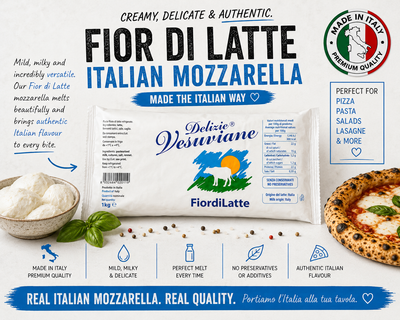 Fior di Latte Mozzarella for Pizza – 1kg
£12.59
-
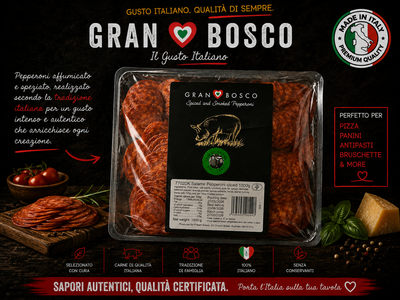 Gran Bosco, Smoked Sliced Pepperoni – 1kg
£18
-
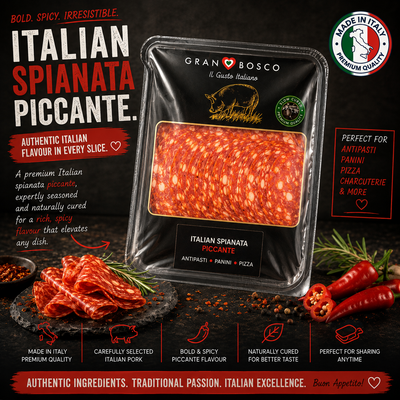 Gran Bosco - Italian Spianata Piccante 250g
£8.10
Handmade in Dorset • Free UK delivery over £50 • Free proofing pot with every dough ball