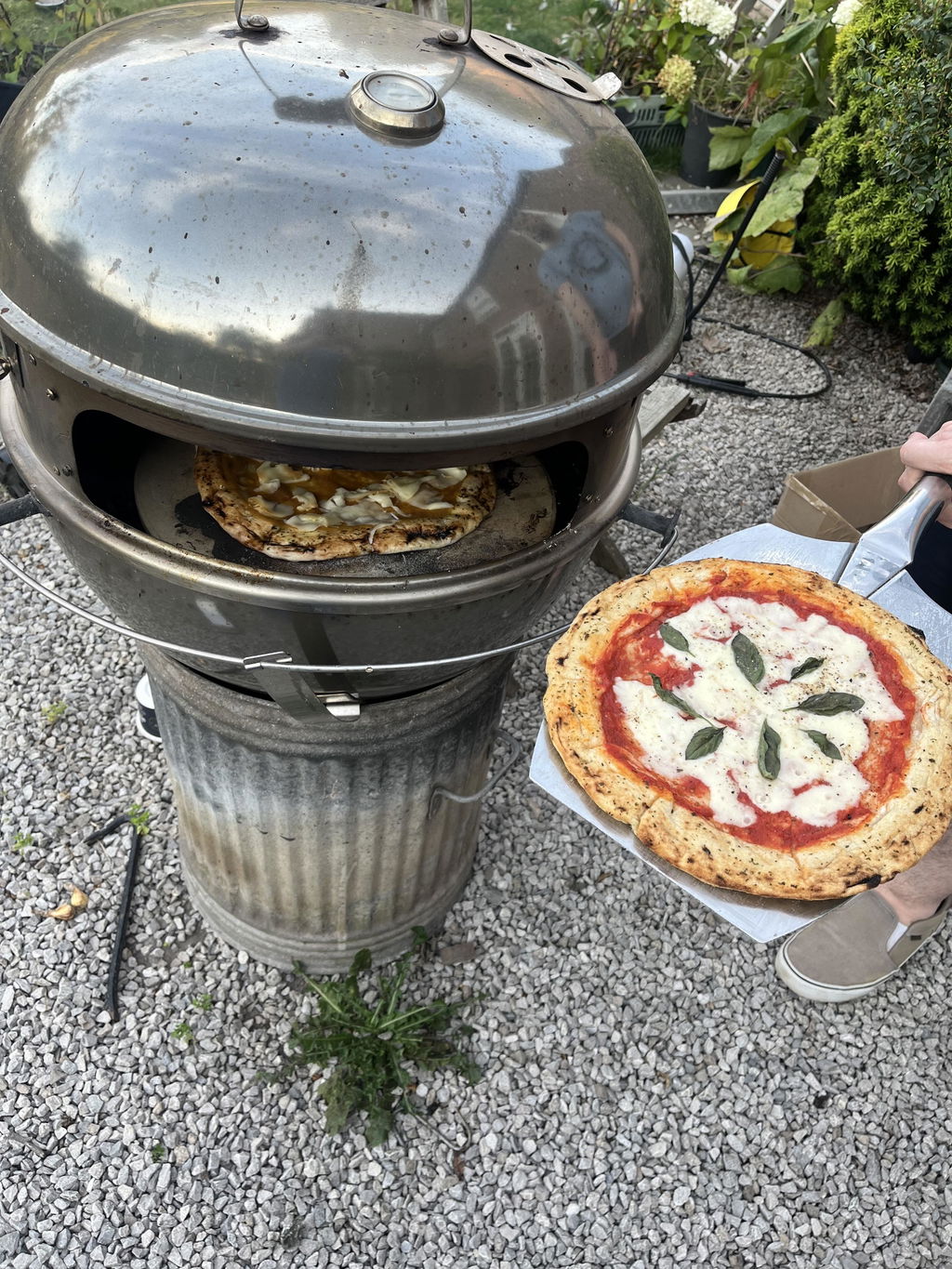
Preheat Stone 45–60 Minutes for Crisp Sun Dried Tomato Pizza (UK)
UK home oven method for sun dried tomato pizza: control moisture, preheat a stone or steel, and use these fixes for a crisp 12 inch pizza.
The best sun-dried tomato pizza has a genuinely crisp crust, an intense sweet-savory tomato punch, and a creamy cheese layer that keeps everything from tasting sharp or salty. Getting there hinges on one habit: control moisture. Use oil-packed tomatoes or properly rehydrated dry-packed ones, drain your cheese, and bake on a surface hot enough to shock the dough into crisping instead of steaming, ensuring the best crispness. Everything below walks through the exact method, plus fixes for the mistakes that ruin most attempts.
TL;DR:
- Using well-drained, moisture-controlled toppings like oil-packed or properly rehydrated dry sun-dried tomatoes is key to preventing a soggy crust.
- Baking on a preheated stone or steel at maximum oven temperature for at least 45 minutes ensures a crisp bottom, especially when using a hot surface.
- Draining and slicing mozzarella, or opting for lower-moisture cheeses such as goat cheese, reduces excess moisture that can compromise the crust’s texture.
- Rehydrating dry-packed tomatoes in warm water or oil for 30 minutes before chopping improves their softness and prevents charring during baking.
- Quick reheating methods like oven or skillet restore crispness better than microwaving leftovers, which can make the crust soggy.
Table of Contents
- What Makes This Sun-Dried Tomato Pizza Special
- Ingredients and Prep Notes
- Tools and Oven Setup for a Crisp Base
- How to Make Sun-Dried Tomato Pizza Step by Step
- Fixing Soggy Crusts, Burnt Tomatoes, and Uneven Bakes
- Variations and What to Pair With Sun-Dried Tomato Pizza
- Why This Recipe Holds Up in a Home Kitchen
- Is Sun-Dried Tomato Pizza Actually Good for You?
- How to Store and Reheat Leftover Sun-Dried Tomato Pizza
- Why I Keep Coming Back to This Combination
- Get the Ingredients Right and This Recipe Basically Makes Itself
- Sources
- FAQ
What Makes This Sun-Dried Tomato Pizza Special
This is a white pizza, not a red one. Instead of tomato sauce, the base gets garlic-infused olive oil or a thin layer of sun-dried tomato pesto, which lets the concentrated tomato flavor from the topping do the talking without competing against a second sauce.
Sun-dried tomatoes work here because drying removes roughly 90% of a fresh tomato’s water content, concentrating sugar and acid into something closer to a tomato paste in texture but far bigger in flavor. That’s also why they behave completely differently on a pizza than fresh slices, which release water and turn a crust to mush.
- Yield: one 12-inch pizza, enough for 2 as a meal or 3 to 4 as a starter
- Prep time: 15 to 20 minutes, plus 30 minutes if rehydrating dry-packed tomatoes
- Bake time: 10 to 20 minutes depending on your oven setup
- Flavor profile: tangy, slightly sweet, savory, balanced by mild melted cheese
Oil-packed tomatoes are the faster route and many recipe developers prefer them for exactly that reason, since they go straight onto the pizza with no soaking step. Dry-packed tomatoes cost less and store longer, but they need rehydrating before they’ll soften properly in the short time a pizza spends in the oven.
Ingredients and Prep Notes
Here’s what goes into a 12 inch sun-dried tomato and mozzarella pizza, with UK-friendly measures.
- Pizza dough: 1 ball, about 250g, room temperature or a store-bought base
- Sun-dried tomatoes: 60g (about ½ cup), oil-packed or dry-packed
- Fresh mozzarella: 125g, drained and torn into pieces
- Goat cheese: 60g, crumbled (optional swap or addition)
- Extra virgin olive oil: 2 to 3 tablespoons, plus more for the tomato jar oil if using
- Garlic: 1 clove, minced or thinly sliced
- Fresh basil: a small handful, torn, added after baking
- Flaky salt and black pepper: to taste
If your tomatoes are dry-packed, soak them in warm water or warm olive oil for a suitable time until pliable (https://www.tastingtable.com/1200287/the-simple-method-to-reconstitute-sun-dried-tomatoes/), then pat dry before chopping. Skipping this step is how people end up with tomato pieces that scorch into leathery bits during the bake instead of softening into the crust.
Cheese is the other moisture problem. Fresh mozzarella holds a lot of water, so drain the balls and tear or slice them rather than dumping the packing liquid straight onto your dough. For very wet balls, press them between paper towels for 10 to 15 minutes first. If you want a drier bake with less risk of a soggy center, use a low-moisture mozzarella instead, or lean on goat cheese or ricotta, both of which bring creaminess without dumping liquid onto the crust. Don’t toss the oil from the tomato jar either; it’s already infused with tomato flavor and works well brushed onto the crust edge before baking.

Tools and Oven Setup for a Crisp Base
A home oven can get most of the way to pizzeria results if you give it the right surface and enough time to heat it. A baking stone or steel stores heat far better than a bare oven rack, and that stored heat is what actually crisps the bottom of your crust on contact.
- Preheat your stone or steel at your oven’s highest setting for 45 to 60 minutes before baking
- No stone? A heavy sheet pan preheated the same way is a workable fallback, though it won’t crisp quite as aggressively
- Place the stone on the rack closest to your top heating element without touching the broiler coil
- Use a pizza peel or a sheet of parchment paper to slide the assembled pizza on and off without disaster
- Reach for a broiler in short 30 to 60 second bursts only if the top needs extra color once the bottom is already crisp
If you’re short on time, a pre-cooked base or a ready-made pizza cuts the entire dough stage out of the process and still gives you a hot-stone bake with the same toppings.
Pro Tip: If your kitchen runs cool, crack the oven door for 10 seconds right after preheating to check the stone isn’t just hot on the surface but heated through. A stone that’s only warm on top will still leave you with a pale, slightly chewy bottom.
How to Make Sun-Dried Tomato Pizza Step by Step
- Preheat the oven with your stone or steel inside, set to its maximum temperature (typically 475°F to 500°F, or 245°C to 260°C), for 45 to 60 minutes.
- Prep the tomatoes. If dry-packed, soak in warm water or oil for 30 minutes, pat dry, and chop into small pieces so the flavor spreads across every bite instead of hitting in one overwhelming chunk.
- Stretch the dough. If using a chilled fermented dough ball, let it come closer to room temperature for 20 to 30 minutes first, then press and stretch it gently from the center outward into a 12 inch round, leaving a slightly thicker edge for the crust.
- Build the base. Brush the dough with olive oil infused with minced garlic, or spread a thin layer of sun-dried tomato pesto if you want a punchier flavor from the first bite.
- Add the cheese first. Scatter the drained, torn mozzarella and any goat cheese or ricotta across the base, leaving small gaps rather than covering it edge to edge.
- Distribute the tomatoes. Spread the chopped sun-dried tomatoes evenly over the cheese so no single slice ends up with a concentrated, overpowering patch.
- Transfer to the oven. Slide the pizza onto the preheated stone using your peel or parchment.
- Bake for 10 to 15 minutes, watching closely after the 8-minute mark. A hotter stone bakes faster; a sheet pan setup may need closer to the 20 minute range that conventional oven guidance suggests.
- Broil briefly if needed, 30 to 60 seconds, if the cheese needs more color once the crust bottom looks golden and firm.
- Rest for 2 to 3 minutes off the heat before slicing, then finish with torn fresh basil, a drizzle of olive oil, and a pinch of flaky salt.
Add anything delicate, like toasted pine nuts or arugula, after the bake rather than before, since high heat will scorch them long before the crust is done.
Fixing Soggy Crusts, Burnt Tomatoes, and Uneven Bakes
Almost every sun-dried tomato pizza failure traces back to one of three things: too much moisture, not enough heat, or toppings piled too thick in one spot.
- Soggy crust: the stone wasn’t hot enough, or the cheese wasn’t drained. Extend your preheat time and pat mozzarella dry before it touches the dough.
- Still soggy after that? Par-bake the crust alone for 3 to 4 minutes before adding toppings, then finish with the full bake.
- Burnt tomato edges: usually happens when dry-packed pieces go on unrehydrated, or when pieces are cut too large and left exposed on top rather than tucked under the cheese.
- Pale, undercooked bottom with a burnt top: your rack is too close to the broiler element. Move the stone down one level and rely on a longer bake at a slightly lower position instead of chasing color with the broiler.
The moisture math explains why prep matters so much here. Because drying removes about 90% of a tomato’s water weight, sun-dried tomatoes are far less likely to make your crust soggy than fresh slices, but they’ll dry out and char fast if they hit direct high heat without any oil or cheese cushioning them. Keep them under a layer of cheese, not floating on top exposed to the hottest part of the oven.
Variations and What to Pair With Sun-Dried Tomato Pizza
Once the base method is solid, this recipe turns into a template. Swap the cheese, add a protein, or dress it up for company without touching the core technique.
- Goat cheese and sun-dried tomato pizza: swap in crumbled goat cheese for some or all of the mozzarella for extra tang and a drier finish, since goat cheese releases far less liquid during baking.
- Ricotta swap: dollop fresh ricotta in small spoonfuls before baking for pockets of creaminess instead of an even melted layer.
- Prosciutto: lay thin slices on after the bake so the heat just barely warms it without turning it leathery.
- Toasted pine nuts: scatter on after baking for crunch; toasting them in a dry pan for 2 minutes beforehand brings out more flavor than raw nuts.
- Arugula and caramelized onions: arugula goes on raw right after the bake; caramelized onions can go on before baking since they’ve already lost most of their water.
- Drink pairing: a crisp, high-acid white wine or a dry rosé cuts through the richness of the cheese and matches the tomato’s tang.
If you’re building out a full vegetarian spread, pairing ideas for other toppings can round out a pizza night menu alongside this one. For something entirely different on the side, a bright, herby vegan pesto makes a fast dip or spread that complements the tomato’s acidity without adding dairy.
Why This Recipe Holds Up in a Home Kitchen
Sun-dried tomatoes pair especially well with creamy, mild cheeses because the fat and moisture in fresh mozzarella or goat cheese tone down the tomato’s concentrated tang rather than fighting it, which is part of why white pizza bases work so well here instead of a competing red sauce. Slow fermentation dough balls using Italian 00 flour provide a base with enough structure to hold up under a moisture-heavy topping like this without collapsing into a gummy center.
Two habits reduce failure risk more than any single ingredient choice: draining your cheese properly, covered in the mozzarella moisture guide, and getting your bake surface genuinely hot before the dough ever touches it.
A properly fermented, well-hydrated dough combined with a bone-dry topping layer is the difference between a pizza that holds its shape when you pick up a slice and one that folds in half from the weight of its own moisture.
Is Sun-Dried Tomato Pizza Actually Good for You?
Sun-dried tomatoes bring real nutritional upside compared to a sugar-heavy jarred sauce. Because drying concentrates the tomato’s natural nutrients into a smaller volume, sun-dried tomatoes pack more fiber, potassium, and lycopene per gram than fresh tomatoes, though portion size matters since that concentration applies to calories and natural sugars too.
The cheese layer is where the nutrition profile shifts depending on your choices. Fresh mozzarella is lower in fat than aged, hard cheeses, and goat cheese tends to run lower in lactose, which makes it a gentler option for anyone with mild dairy sensitivity. Oil-packed tomatoes also carry the added fat and sodium from their packing oil and brine, so if you’re watching sodium, dry-packed tomatoes that you rehydrate yourself in plain water give you more control over the final salt content.
Where this pizza earns its keep nutritionally is the absence of a processed tomato sauce, which often carries added sugar and preservatives. Swapping that sauce for a thin layer of olive oil and whole sun-dried tomato pieces means fewer processed ingredients and more of the tomato’s actual fiber and nutrients making it into your slice. Whole wheat or 00 flour dough options can push the fiber count up further if that matters to your diet.
None of that makes pizza a health food, and a cheese-heavy version still runs high in saturated fat and calories per slice. Treat it the way most people treat pizza: a satisfying, flavorful meal that’s better built with real ingredients than with shortcuts, not a diet staple.
How to Store and Reheat Leftover Sun-Dried Tomato Pizza
Leftover sun-dried tomato pizza keeps well because the topping is already low in moisture compared to a sauce-based pizza, which means it doesn’t turn the crust soft in the fridge the way a wetter pizza does.
Wrap slices individually in foil or place them in an airtight container and refrigerate for up to 3 to 4 days. Skip stacking slices directly on top of each other without separation if you can, since the cheese layer can stick and tear when you pull slices apart later.
For reheating, skip the microwave if crust texture matters to you, since it steams the base and brings back exactly the sogginess you worked to avoid in the first place. A dry skillet on medium heat for 3 to 4 minutes, covered loosely, re-crisps the bottom while gently warming the cheese. An oven or toaster oven at 375°F (190°C) for 8 to 10 minutes on a wire rack or directly on a preheated stone works even better if you have the time, since it reheats evenly without trapping steam underneath.

Freezing works for longer storage: wrap slices tightly and freeze for up to 2 months, then reheat straight from frozen in a 400°F (200°C) oven for about 12 to 15 minutes. The dough holds up better to freezing than fresh-tomato pizzas do, again because there’s so little free water in the topping to form ice crystals that would otherwise wreck the crust’s texture on thawing.
Why I Keep Coming Back to This Combination
Sun-dried tomatoes solve a real problem: they give you tomato flavor without the wet mess of a sauce, so the crust actually gets to be the star. They’re also just sitting in your pantry, ready whenever fresh tomatoes aren’t in season. If you’ve never tried the goat cheese version, that’s the first swap worth making, and a few topping pairing ideas are worth a look before your next pizza night.
— Michael
Get the Ingredients Right and This Recipe Basically Makes Itself
Half the battle with sun-dried tomato pizza is having a dough and topping foundation that actually cooperates, and that’s exactly where Doughdorks saves you the guesswork. Its dough balls go through a full 48-hour fermentation with Italian 00 flour, so you get a base that holds structure under a moisture-heavy topping instead of collapsing into a gummy middle, and it ships within the UK so you’re not stuck settling for a supermarket dough that fights you the whole way.

If you’d rather skip the stretch-and-proof stage entirely, the pre-cooked Neapolitan bases get you straight to topping and baking. For the toppings themselves, the curated pizza toppings collection includes the cheeses and extras this recipe calls for, so you’re not hunting three different shops for one pizza night. Head to the main shop to build your order and get it delivered before your next attempt.
Sources
Rehydration timing from Tasting Table, moisture data from ResearchGate, and a tested recipe baseline from Mayo Clinic.
- Moisture content and water activity of fresh and solar-dried tomato slices (ResearchGate)
- Sun-dried tomatoes on pizza: a pizzeria essential guide (Pizzapedia)
- Sun-dried tomato, thyme, and basil pizza recipe (Mayo Clinic)
FAQ
Is Sun-Dried Tomato Good on Pizza?
Yes. Sun-dried tomatoes bring concentrated, tangy-sweet flavor without the excess liquid that fresh tomato slices add, which is why they work so well on white pizzas that skip traditional sauce. Their low moisture, a result of drying removing roughly 90% of a tomato’s water content, also means they’re far less likely to leave you with a soggy crust than fresh tomato toppings.
What Goes Well With Sun-Dried Tomatoes on Pizza?
Creamy, mild cheeses like fresh mozzarella, goat cheese, or ricotta balance the tomato’s tang best. Toasted pine nuts, fresh basil, arugula, and prosciutto all pair well too, as long as delicate ingredients like arugula and prosciutto go on after baking rather than before.
Can You Make a Pizza With Sun-Dried Tomatoes and Mozzarella?
Absolutely, and it’s one of the most reliable combinations for this style of pizza. Just drain and tear the mozzarella before assembly so its moisture doesn’t undercut the crispness of the crust, and chop your sun-dried tomatoes small so the flavor spreads evenly rather than concentrating in a few bites.
What Cheese Pairs Well With Sun-Dried Tomatoes?
Fresh mozzarella is the classic choice for its mild creaminess, while goat cheese and ricotta both work well as lower-moisture alternatives that add tang or richness without soaking the crust. All three complement the tomato’s acidity better than sharper, aged cheeses tend to.
Does Doughdorks Sell Ingredients for This Recipe?
Doughdorks offers 48-hour fermented dough balls, pre-cooked Neapolitan bases, and a curated toppings collection that covers the cheeses and sun-dried tomatoes this recipe calls for. Current prices are listed on the Doughdorks shop.
Recommended
- What Temperature Should a Pizza Oven Be?
- How to Clean a Pizza Stone Properly
- How to Par Bake Pizza Dough for a Crispier Crust
- Pizza Steel for Oven: Steel vs Pizza Stone
READY-MADE • FROZEN • UK DELIVERY
Skip the mixing. Keep proper dough in your freezer.
48-hour fermented, individually proofed in their own pot and delivered frozen across the UK. Defrost, stretch, top and bake.
-
 48-Hour Neapolitan-Style Pizza Dough Balls – Box of 12
£22.88
-
 48-Hour Neapolitan-Style Pizza Dough Balls – Box of 20
£32.30
-
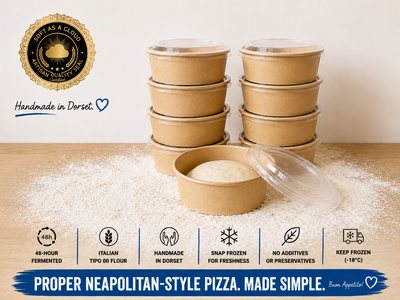 48-Hour Neapolitan-Style Pizza Dough Balls – Box of 8
£18
Handmade in Dorset • Free UK delivery over £50 • Free proofing pot with every dough ball