The Best Vegetarian Pizza Toppings and How to Prep Them
Discover the best vegetarian pizza toppings and how to prep them for maximum flavor and texture. Elevate your pizza tonight!
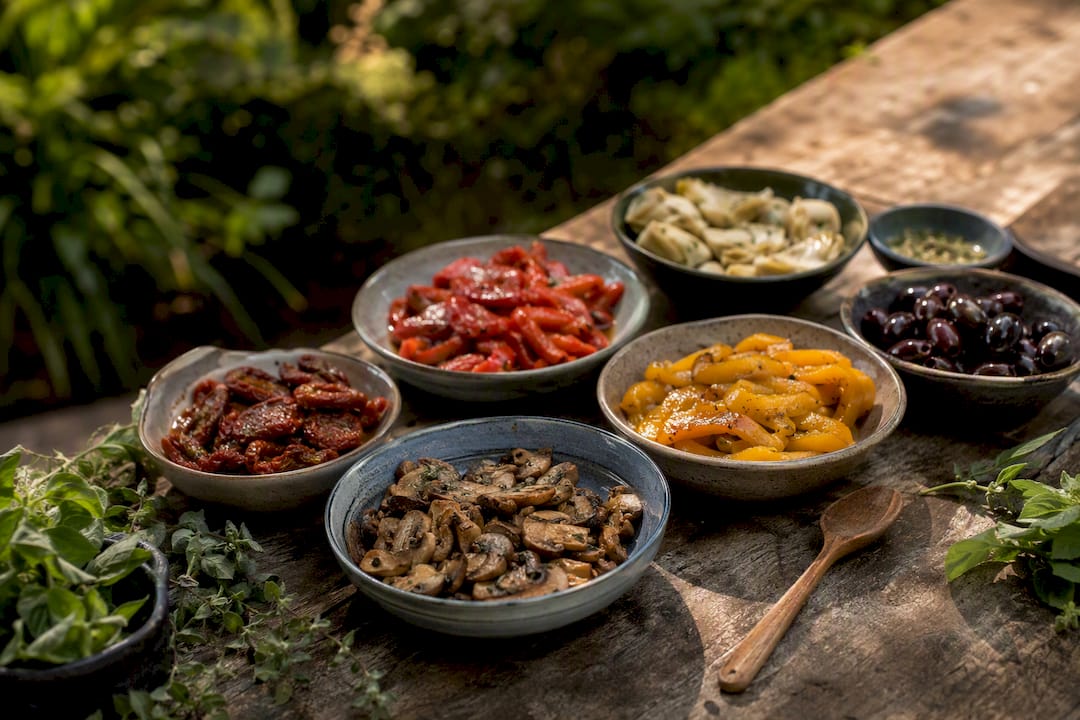
Mushrooms, bell peppers, red onion, cherry tomatoes, olives, spinach or arugula, artichoke hearts, roasted garlic, courgette, sun-dried tomatoes, and fresh herbs make up the core of any great vegetarian pizza. These toppings work because they cover every texture you need: something meaty (mushrooms), something sweet (peppers, roasted garlic), something briny (olives), and something bright (herbs, arugula). They’re also sold in almost every grocery store, so there’s no scavenger hunt involved.
The one rule that separates a soggy pizza from a great one: pre-cook anything water-heavy, and save delicate greens for after the bake. Get that right and the rest is just picking flavors you like.
- Structural (meaty, holds up to heat): mushrooms, courgette, aubergine, broccoli
- Sweet and caramelized: onions, roasted garlic, roasted peppers
- Briny and concentrated: olives, sun-dried tomatoes, artichoke hearts
- Fresh finishers, added post-bake: basil, arugula, spinach
Key Takeaways
Great vegetarian pizza depends less on which vegetables you choose and more on how well you control their moisture before they reach the crust.
| Point | Details |
|---|---|
| Pick versatile staples | Mushrooms, peppers, onions, olives, and artichokes cover texture, sweetness, and brine in one pie. |
| Pre-cook wet vegetables | Sauté mushrooms, roast courgette and peppers, and squeeze tomatoes to stop moisture soaking the crust. |
| Add greens last | Basil and arugula go on after baking to preserve texture and flavor. |
| Match cheese to role | Use fresh mozzarella for melt, low-moisture mozzarella for structure, and Parmigiano only as a finishing grate. |
| Start with the right dough | Doughdorks’ 48hr Neapolitan dough and pre-cooked bases give loaded vegetable pizzas the heat tolerance a same-day dough often lacks. |
Table of Contents
- Vegetarian Pizza Toppings, Grouped by How You Prep Them
- How to Keep the Crust Crisp Under All That Topping
- Five Vegetarian Pizza Topping Combinations Worth Repeating
- Cheese and Seasoning Pairings That Pull Vegetables Together
- Nutritional Information and Benefits of Common Vegetarian Pizza Toppings
- Why Most Topping Guides Get the Order of Operations Backward
- Sources
Vegetarian Pizza Toppings, Grouped by How You Prep Them
Not every vegetable belongs on the dough the same way. Some go on raw, some need a hot pan first, and a few should never touch the oven at all. Sorting your vegetarian pizza toppings by prep method saves you from the classic mistake: a pizza that looks great going in and comes out swimming.
Low-moisture, ready to go raw. These can go straight onto the pizza before baking with no extra work.
- Thinly sliced red onion, for sharp bite that mellows in the oven
- Baby spinach, added in a light layer if it’s going to bake (thick layers steam and wilt into mush)
- Sun-dried tomatoes (oil-packed, drained), for concentrated sweetness
- Marinated artichoke hearts, quartered and patted dry
- Kalamata or Castelvetrano olives, pitted and halved
- Cherry tomatoes, halved and left cut-side up so juice evaporates rather than pools
Roast or sauté first. Anything with high water content needs a head start, or it’ll release liquid straight onto your crust.
- Mushrooms, sautéed hard in a dry pan until browned and shrunk by half
- Courgette (zucchini), sliced thin, salted for 10 minutes, then patted dry or roasted
- Bell peppers, roasted or char-grilled until the skins blister
- Red onion, caramelized low and slow if you want sweetness instead of bite
- Broccoli or broccolini, roasted until the edges char, which is what makes it work as a topping instead of a soggy afterthought
- Aubergine, salted, drained, then roasted or grilled
- Butternut squash, roasted with olive oil until edges caramelize
- Corn, charred in a dry skillet for smoky sweetness
Delicate finishers, added after baking. These lose everything that makes them good if they hit high heat for 10 minutes.
- Fresh basil, torn just before serving
- Arugula, tossed with olive oil and piled on post-bake
- Fresh oregano or thyme leaves
Bold or gourmet additions, for when you want to move past the standard veggie combo:
- Roasted garlic, mashed into a paste and spread under the sauce
- Fresh figs, halved, for a sweet contrast to salty cheese
- Chili flakes or fresh chili, for heat
- Pesto, used as a base instead of tomato sauce
If you want protein without meat, chickpeas (roasted until crisp), white beans (mashed thin as a partial base), or a scatter of hemp seeds post-bake all add texture and staying power without turning the pizza into something else entirely.
How to Keep the Crust Crisp Under All That Topping
Moisture is the enemy of a good crust. Vegetables like mushrooms, courgette, and tomatoes are mostly water, and raw water hitting a hot crust turns your base gummy before it can crisp. There are three fixes, and you need at least one of them for anything water-heavy: pre-cook it, salt and drain it, or bake it fast enough that moisture evaporates before it soaks in.
Quick methods that solve most problems:
- Sauté mushrooms in a dry, hot pan until they release their water and start to brown. A splash of balsamic at the end concentrates the flavor even further, no extra oil required.
- Salt sliced courgette or aubergine and let it sit 10 minutes, then blot dry before roasting.
- Squeeze halved tomatoes gently over the sink before placing them cut-side up.
- Caramelize onions low and slow for 15 to 20 minutes rather than tossing them on raw.
- Roast garlic cloves whole in foil until soft enough to mash into a spread.
- Char broccoli or broccolini under high heat until the tips blacken slightly.
Oven temperature matters just as much as prep. A home oven maxed out around 250°C (480°F) with a pizza stone or steel gives you a shorter bake and less time for moisture to seep in. A wood-fired or specialty pizza oven running near 400°C (750°F) cooks a pie in 90 seconds, which is part of why Neapolitan-style pizzerias get away with fresh mozzarella and juicy tomatoes without a soggy result: there’s no time for the crust to absorb anything.
Pro Tip: Assemble in this order: sauce, low-moisture ingredients, cheese, then pre-cooked vegetables on top. Save anything delicate, like basil or arugula, for after the pizza comes out of the oven.
Five Vegetarian Pizza Topping Combinations Worth Repeating
These aren’t theoretical. Each one balances texture, salt, and moisture the way a reliable best vegetarian pizza should.
- Classic veggie supreme. Sautéed mushrooms, roasted bell pepper, red onion, black olives, low-moisture mozzarella. Bake at high heat until the cheese blisters.
- Mediterranean. Marinated artichoke hearts, Kalamata olives, roasted red pepper, crumbled feta, base of tomato sauce. Bake, then finish with a drizzle of olive oil.
- Pesto green. Pesto base, sautéed mushrooms, cherry tomatoes, fresh mozzarella, spinach added in the last two minutes of baking. This is the same logic behind Taste of Home’s pesto vegetable pizza, which layers spinach, mushroom, pepper, and tomato over a pesto base. It also pairs naturally with a ready-made Pesto Neapolitan Pizza base if you’d rather skip mixing your own.
- Gourmet fig and ricotta. Fresh fig halves, dollops of ricotta, caramelized onion, a scatter of arugula and balsamic glaze after baking. Sweet, salty, and nothing like a standard veggie pie.
- Spicy corn and jalapeño. Charred corn, sliced jalapeño, red onion, low-moisture mozzarella, chili flakes before baking, lime zest after.
For more inspiration along these lines, BBC Good Food’s vegetarian pizza collection runs from simple margherita variations to aubergine and goat cheese pairings worth stealing ideas from.
Cheese and Seasoning Pairings That Pull Vegetables Together
Cheese choice changes what a vegetable topping actually tastes like. Fresh mozzarella melts into pools and adds moisture, which works when your vegetables are already dry (roasted peppers, sautéed mushrooms). Low-moisture mozzarella holds its shape better under heavier or wetter toppings. Ricotta and goat cheese bring creaminess that softens bitter greens like arugula or broccoli rabe. Feta adds a salty tang that plays well against sweet roasted vegetables. Parmigiano works best grated on at the very end, not baked, since it burns fast and turns bitter in a hot oven.
Timing matters for seasonings, too:
- Before baking: dried oregano, chili flakes, roasted garlic
- After baking: fresh basil, extra virgin olive oil, balsamic glaze, flaky salt
For a deeper breakdown of which cheese suits which build, Dough Dorks’ guide to pizza cheeses and its companion piece on mozzarella specifically cover the melt-versus-structure tradeoff in more detail.
Finishing Touches That Make the Difference
The bake is only half the pizza. What you add in the last 60 seconds decides whether it tastes finished or flat: torn basil, a handful of arugula, a proper drizzle of good olive oil, lemon zest, a thread of balsamic glaze, toasted seeds, or chili oil for heat. Add fresh herbs the moment the pizza leaves the oven, but hold arugula and any dressed greens until you’re plating, so they stay crisp instead of wilting in residual heat. Leftovers keep two to three days refrigerated. Reheat in a hot skillet or oven, never a microwave, to keep the crust from turning rubbery.
What Dough Dorks Brings to the Table
Getting these combinations right at home depends heavily on your base. A 48-hour fermented dough handles high oven temperatures without burning before the center cooks, which gives you more room for error with wetter toppings. Pre-cooked bases shorten the whole process for a weeknight pizza without sacrificing the char you’d get from a proper Neapolitan-style base.
A slower-fermented dough tolerates more moisture and heat swings than a same-day mix, which is exactly the margin for error a loaded vegetable pizza needs.
Michael has spent years writing about pizza-making techniques and ingredient sourcing for home cooks trying to close the gap between takeout and pizzeria-quality results.
Nutritional Information and Benefits of Common Vegetarian Pizza Toppings
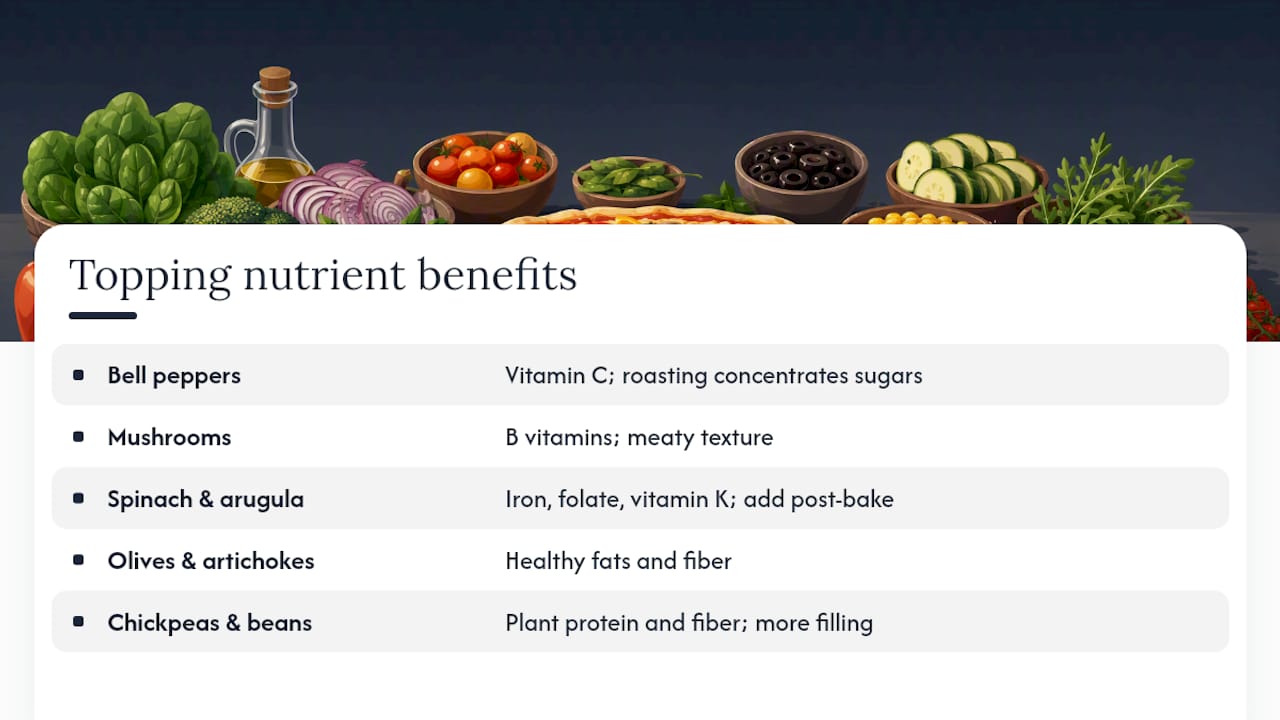
Loading up on vegetables does more than add flavor. Bell peppers are one of the richest raw sources of vitamin C, and roasting them concentrates their natural sugars without adding calories. Mushrooms bring B vitamins and a meaty texture that helps a vegetarian pizza feel substantial rather than like a cheese pizza with garnish. Spinach and arugula add iron, folate, and vitamin K, and since they’re added post-bake, they retain more of their nutrients than if they were cooked directly on the pizza.
Tomatoes, whether fresh or sun-dried, contain lycopene, an antioxidant that becomes more bioavailable once cooked. Olives and artichoke hearts contribute healthy fats and fiber. Chickpeas and white beans, if you’re using them as a protein booster, add plant-based protein and fiber that make a vegetarian slice more filling than one topped only with cheese.
For readers managing dietary restrictions, vegetable-heavy pizzas adapt easily. A vegan version swaps dairy cheese for a plant-based alternative or skips cheese entirely in favor of a heavier vegetable and herb ratio, since roasted vegetables and a good olive oil carry plenty of flavor on their own. Gluten-free eaters can build the exact same topping combinations on a gluten-free base; the topping logic (pre-cook wet vegetables, add greens last) doesn’t change based on what the crust is made from. If you’re leaning on plant-based protein toppings like tofu or tempeh, press and pat them dry first, then either marinate briefly or pan-sear before adding, since raw tofu releases water the same way courgette does.
Why Most Topping Guides Get the Order of Operations Backward
Most advice on vegetarian pizza toppings leads with a long list of ingredients and treats prep as an afterthought. That’s backward. The ingredient list barely changes from one guide to the next, mushrooms, peppers, onions, olives show up everywhere, but the difference between a decent pizza and a genuinely good one comes down entirely to what you do to those ingredients before they hit the dough.
The overlooked point is that moisture control isn’t a fussy extra step for perfectionists. It’s the single variable that decides whether your $15 worth of good vegetables and cheese turns into a crisp, well-balanced pizza or a floppy, wet disappointment. Anyone can list vegetables. Fewer sources tell you to salt your courgette or char your broccoli until the edges blacken.
If you take one thing from this guide, prioritize the pre-cook step over topping variety. A pizza with four well-prepared vegetables beats one with eight raw, wet ones every time.
— Michael
Build These Combinations With the Right Base
None of the prep advice above matters much if your dough can’t handle high heat or a loaded topping pile. Doughdorks makes that part simple: the 48hr Neapolitan Pizza Dough is fermented long enough to hold up under a hot oven and a heavier vegetable load without turning gummy in the middle, which is exactly the failure point most home pizza attempts run into.

If you’re short on time, the pre-cooked Neapolitan bases let you build one of the combinations above in the time it takes to prep the toppings, no proofing or shaping required. Want the pesto green combo without making pesto from scratch? Start with the Pesto Neapolitan Pizza base and add mushrooms, cherry tomatoes, and spinach straight from the topping list above. Browse the full topping collection to stock up on cheeses and extras for your next bake.
Sources
- Pesto Vegetable Pizza | Taste of Home
- Vegetarian pizza recipes | BBC Good Food
- The Top 10 Toppings for a Veggie Pizza Recipe | EatHealthy365
Recommended
- Neapolitan Pizza Toppings: What’s Authentic (and What’s Not)
- The Right Pizza Toppings Order for a Crispy, Flavorful Pie
- Best Cheeses for Pizza: A Home Cook’s Guide
- Apple Pay
PIZZA NIGHT, SORTED
Build the pizza with proper Italian ingredients
Shop Italian toppings, then add 48-hour fermented dough balls from Dorset for a complete pizza night.
-
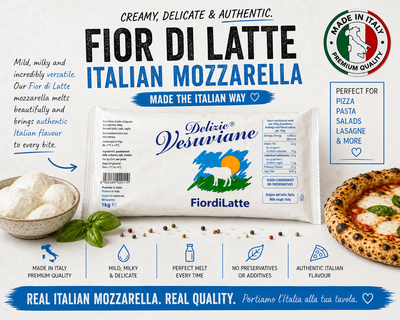 Fior di Latte Mozzarella for Pizza – 1kg
£12.59
Fior di Latte Mozzarella for Pizza – 1kg
£12.59
-
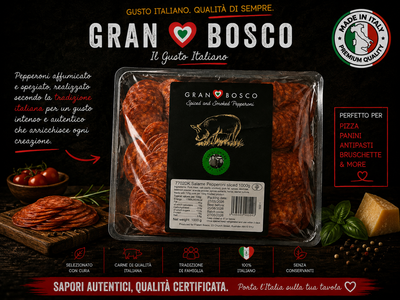 Gran Bosco, Smoked Sliced Pepperoni – 1kg
£18
Gran Bosco, Smoked Sliced Pepperoni – 1kg
£18
-
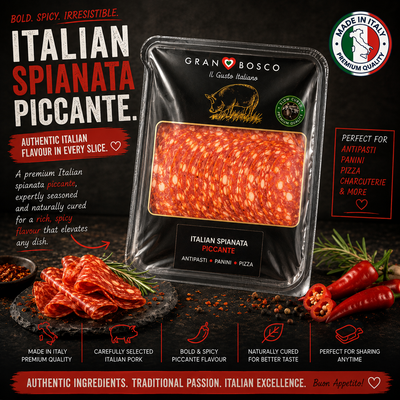 Gran Bosco - Italian Spianata Piccante 250g
£8.10
Gran Bosco - Italian Spianata Piccante 250g
£8.10
Handmade in Dorset • Free UK delivery over £50 • Free proofing pot with every dough ball