Home Cooks: Ricotta on Pizza Without Soggy Centers, 4 Recipes
Practical ricotta-on-pizza methods for home cooks: drain and season ricotta, choose before-or-after timing, fix soggy crust, and build four ready recipes...
Yes, ricotta belongs on pizza, and it works best as seasoned dollops next to a melting cheese, not as a solo topping. Use whole-milk ricotta, drain it if it looks wet, mix in a little salt and lemon zest, then bake hot so the crust crisps while the cheese stays creamy.
TL;DR:
- Whole-milk ricotta is preferable for pizza to avoid excess moisture that can cause sogginess, especially if not drained properly.
- Season ricotta at least 15 minutes before topping to allow flavors like salt and lemon zest to fully develop and enhance the cheese.
- Adding ricotta before baking creates warm, soft pockets, while post-baking dollops provide a cool, creamy contrast on a crisp crust.
- Preheating the oven and pizza stone to 475-500°F and using a properly fermented dough are essential to prevent soggy crusts when using ricotta.
- Pairing ricotta with ingredients like garlic, basil, honey, or cured meats can elevate flavor and complement its mild, creamy profile.
Table of Contents
- Is Ricotta Good on Pizza? What It Actually Brings to the Table
- How to Prep Ricotta for Pizza the Right Way
- Should You Add Ricotta Before or After Baking?
- Best Ricotta Pizza Combinations to Try Tonight
- Four Ricotta Pizza Recipes You Can Build Tonight
- Fixing Soggy Ricotta Pizza and Other Texture Problems
- Getting the Crust Right: What Actually Makes the Difference
- Where Ricotta on Pizza Actually Comes From
- Ricotta on Pizza: Nutrition and Dietary Notes
- Dairy-Free and Vegan Ricotta Alternatives for Pizza
- Storing and Reheating Leftover Ricotta Pizza
- A Home Cook’s Honest Take on Ricotta Pizza
- Get the Crust Right and Ricotta Takes Care of Itself
- Sources
Is Ricotta Good on Pizza? What It Actually Brings to the Table
Ricotta and mozzarella do completely different jobs. Mozzarella stretches and browns into that familiar bubbly skin, while ricotta holds its shape in soft, warm pockets that stay distinct from everything around them. That contrast is the whole point of putting ricotta on pizza in the first place.
Guides that focus on technique consistently point to the same thing: ricotta shines when it’s paired with a crisp crust and a melting cheese, because the textures play off each other instead of competing. Whole-milk ricotta gives you richer flavor and holds together better under heat. Part-skim ricotta is leaner but tends to release more moisture as it bakes, which is exactly what causes soggy centers if you’re not careful. If you’re choosing between tubs at the store, whole-milk is the safer bet for pizza specifically, even if part-skim is your everyday choice for lasagna or stuffed shells.
How to Prep Ricotta for Pizza the Right Way
Straight-from-the-tub ricotta can carry a surprising amount of water, and that water goes straight into your crust. Draining is optional for firm, dry ricotta, but worth doing for anything that looks loose or separates in the container.
Three draining methods work, depending on how much time you have:
- Quick fix: Press ricotta through a fine sieve for two minutes to knock out excess liquid.
- Cheesecloth method: Wrap ricotta in cheesecloth and let it hang over a bowl in the fridge for 30 minutes to an hour.
- Overnight drain: Line a colander with a coffee filter, add ricotta, and let it sit in the fridge overnight for the driest result.
Once drained, season it. Guides like Pizzioo’s technique breakdown recommend using whole-milk ricotta and dolloping rather than spreading it, and that starts with getting the seasoning right first. A simple mix of salt, black pepper, and lemon zest brightens the flavor without masking it, and many standard recipes lean on that exact combination to keep ricotta from tasting flat. For something bolder, stir in minced garlic and chopped fresh herbs like basil or oregano. For a dessert build, sweeten with a spoonful of honey or sugar and a splash of vanilla.
For quantity, figure on 4 to 6 tablespoons for a 12-inch pizza, spaced as individual dollops rather than one smeared layer.
Pro Tip: Season your ricotta at least 15 minutes before topping the pizza. The salt and citrus need a few minutes to actually change the flavor, not just sit on top of it.
Should You Add Ricotta Before or After Baking?
Timing changes the whole experience of the slice, and there’s no single right answer. It depends on what texture you want.
- Before baking: Dollop ricotta onto the raw pizza alongside your other toppings. The heat sets the edges slightly while the center stays soft, giving you warm, pillowy pockets. This is the standard approach for a classic white pizza with spinach and sun-dried tomatoes.
- After baking: Add fresh dollops once the pizza comes out of the oven. This keeps the ricotta fully cool and raw-creamy against a hot, crisp crust, which is a sharper contrast than baking it in.
- Mid-bake: Some cooks pull the pizza out with a few minutes left and dot ricotta on then, which is exactly how BBC Good Food handles its ham and ricotta pizza with pesto, finishing with pesto right after.
Space your dollops evenly, about six to eight per 12 inch pie, so every slice gets some. If you baked ricotta in and want more contrast, add a few extra spoonfuls fresh right before serving.
Best Ricotta Pizza Combinations to Try Tonight
Ricotta is forgiving, but some pairings genuinely work better than others. These are the combinations worth building a pizza night around.
- Classic white: Garlic, olive oil, mozzarella, seasoned ricotta, lemon zest, and torn basil after baking.
- Hot honey and cured meat: Ricotta and spicy salami baked in, then a drizzle of hot honey right after the pizza comes out.
- Fig, prosciutto, and walnut: Ricotta dolloped before baking, then fresh fig slices, prosciutto, and toasted walnuts added after.
- Caramelized onion and rosemary: Sweet cooked onions folded near the ricotta with a scattering of fresh rosemary.
- Vegetable-forward: Thin zucchini with lemon zest, or spinach and artichoke, or roasted cherry tomatoes with basil.
If you want a stronger cheese to play off the ricotta’s mildness, something like gorgonzola or provolone adds sharpness that ricotta alone can’t provide.
Four Ricotta Pizza Recipes You Can Build Tonight
Each of these follows the same core logic: seasoned ricotta, a hot oven, and a deliberate choice about timing. Adjust toppings to what’s in your fridge.
- Classic ricotta white pizza. Season ricotta with salt, pepper, and lemon zest. Spread a thin layer of olive oil on the dough, add mozzarella, dollop ricotta, and bake at 475 to 500°F (245 to 260°C) until the crust blisters and the cheese browns in spots, roughly 8 to 12 minutes depending on your oven.
- Hot honey ricotta pizza. Dollop seasoned ricotta and spicy salami or pepperoni before baking. Once the pizza comes out, drizzle with hot honey while it’s still steaming, so the honey warms without cooking off.
- Zucchini and ricotta. Thin-slice zucchini and lightly salt it for 10 minutes to pull out moisture, then pat dry. Layer with mozzarella and dolloped ricotta, finish with lemon zest, and bake as above. This mirrors the structure in Delicious Magazine’s courgette and ricotta pizza, which uses the same base logic of dough, vegetable, ricotta, and mozzarella.
- Dessert ricotta pizza. Sweeten ricotta with honey and a little vanilla. Par-bake a plain dough base for 5 minutes, then top with sweetened ricotta and bake another 4 to 5 minutes. Add fresh berries and a final honey drizzle only after it comes out, so the fruit stays fresh instead of stewing.
Fixing Soggy Ricotta Pizza and Other Texture Problems
Three things cause almost every soggy ricotta pizza: wet ricotta, wet toppings, and an oven that isn’t hot enough. Fix the cause and the problem usually disappears.
- Watery ricotta: Drain it before use, even a quick two minute sieve press helps.
- Wet vegetables: Salt zucchini, mushrooms, or tomatoes and let them sit 10 minutes, then blot dry before topping.
- Low oven heat: Anything under 450°F (230°C) struggles to crisp the base fast enough to counter ricotta’s moisture. Push toward 475 to 500°F (245 to 260°C) if your oven allows it.
If a pizza already came out soft, you can usually save it. A quick reheat in a covered skillet on medium heat re-crisps the bottom while keeping the ricotta creamy instead of drying it out. A few minutes under the broiler works too, just watch it closely so the cheese doesn’t scorch.
Pro Tip: If you’re using a pizza stone, give it a full 30 to 45 minutes to preheat. A stone that hasn’t fully heated is one of the most common, least obvious causes of a soggy bottom crust.
Getting the Crust Right: What Actually Makes the Difference
Ricotta’s creaminess only reads as a contrast if the crust underneath is genuinely crisp, and that comes down to the dough and the heat, not the cheese. A properly fermented Neapolitan-style dough, cold-fermented for around 48 hours, develops the kind of structure that holds up under wet toppings instead of collapsing into a soggy disc.
A few practical habits make this easier at home:
- Preheat your stone or steel for a full 30 minutes minimum before the first pizza goes in.
- If you’re short on time, pre-cooked Neapolitan bases give you a consistent crisp bottom without needing to manage fermentation or stretching.
- Run through this order every time: drain and season the ricotta, preheat your stone or oven fully, dollop rather than spread, and bake hot.
That last checklist sounds almost too simple, but skipping any one step is what turns a great pizza into a mediocre one.
Where Ricotta on Pizza Actually Comes From
Ricotta on pizza isn’t an old Neapolitan tradition in the way tomato and mozzarella are. Naples built its pizza identity around San Marzano tomatoes and buffalo or fior di latte mozzarella, both tied to the region’s dairy and farming history. Ricotta entered the picture through a different, related dish: pizza rustica and calzone-style baked pies, where ricotta has been a filling for generations, especially in southern Italian home cooking and Easter traditions.
The leap from filling to open-faced topping happened gradually as Italian-American cooks adapted pizza for home ovens and pizzerias outside Italy, where white pizza (pizza bianca) became its own category. Without a red sauce base, cooks needed something to fill that space, and ricotta was already a familiar, affordable dairy staple in Italian-American kitchens. It offered richness without competing with the mozzarella already on the pie.
The dish gained real momentum stateside through Italian-American pizzerias in the mid-20th century, particularly in the northeast, where white pizza became a menu staple alongside the classic red pie. From there, ricotta expanded outward into more inventive builds: dessert pizzas, hot honey pairings, vegetable-forward pies. Modern food media has pushed that expansion further, treating ricotta as a flexible ingredient rather than a one-note filling, which is part of why you now see it turning up in everything from weeknight recipes to trend-driven restaurant menus.
None of this makes ricotta an “inauthentic” topping. It reflects a different, equally real strand of Italian cooking, one built around dairy and simplicity rather than tomato and char.
Ricotta on Pizza: Nutrition and Dietary Notes
Ricotta adds a meaningful amount of protein and calcium to a pizza slice, more per ounce than most people expect from a soft cheese. It’s also naturally lower in sodium than aged cheeses like parmesan or pecorino, which makes it a reasonable choice if you’re watching salt intake, provided you’re not adding cured meats on top that push sodium right back up.
Whole-milk ricotta carries more fat and calories than part-skim, which matters if you’re tracking either closely. Part-skim trims some of that fat but tends to release more water when baked, so there’s a real trade-off between nutritional lightness and pizza texture. If you’re set on part-skim for dietary reasons, drain it more aggressively than you would whole-milk ricotta to keep sogginess in check.
Ricotta is naturally lactose-reduced compared to many other cheeses, since much of the lactose leaches out with the whey during production, but it isn’t lactose-free, so it’s not automatically safe for people with lactose intolerance. It’s also not appropriate for anyone with a dairy allergy or on a strict vegan diet without substitution.
For kids, ricotta’s mild flavor and soft texture make it an easy sell on pizza, often easier than sharper cheeses or heavily seasoned sauces. A simple ricotta and mozzarella white pizza, lightly seasoned, tends to be a safe, kid-friendly build that still gives you room to sneak in finely chopped spinach or other vegetables without much resistance.
Dairy-Free and Vegan Ricotta Alternatives for Pizza
Vegan ricotta, usually made from blended cashews, tofu, or almonds with lemon juice and nutritional yeast, has become widely available both premade and as a DIY option. Texture is the biggest variable here. Cashew-based versions tend to hold moisture and creaminess closest to real ricotta, while tofu-based versions can turn slightly grainy under high heat if they’re not blended thoroughly first.
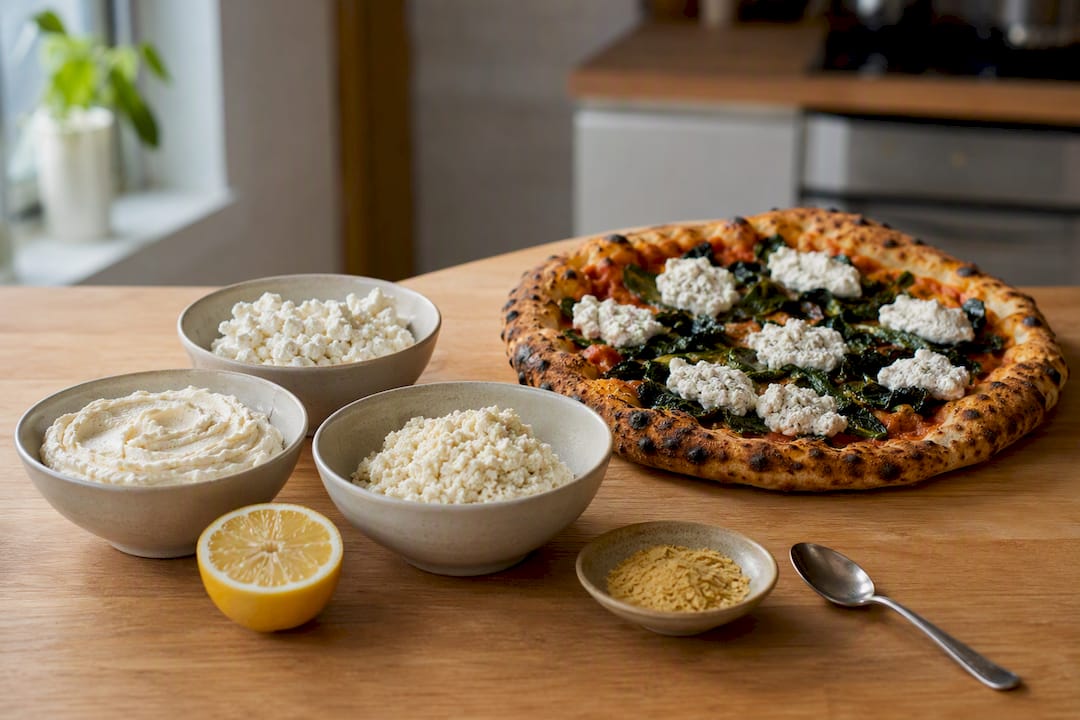
The impact on your pizza comes down to two things: fat content and how the substitute behaves at high temperatures. Traditional ricotta’s fat helps it hold its shape and brown slightly at the edges. Many vegan versions, especially oil-light ones, stay flatter and don’t develop the same light golden color. Adding a small amount of olive oil to a vegan ricotta blend before use helps close that gap and improves browning.
Lactose-free ricotta, made with lactase enzyme added to standard dairy ricotta, behaves almost identically to regular ricotta in terms of texture and baking, so it’s the easiest swap if lactose is the only concern rather than dairy itself.
Whichever alternative you use, the same core rules apply: drain excess liquid, season before use, and dollop rather than spread. Vegan and lactose-free ricotta both benefit from a slightly firmer starting texture than you’d use for dairy ricotta, since many alternatives loosen further once heated.
Storing and Reheating Leftover Ricotta Pizza
Ricotta-topped pizza holds up in the fridge for up to three days when wrapped tightly or stored in an airtight container. The ricotta itself is the limiting factor, not the crust, so treat leftover ricotta pizza with the same timeline you’d give any dish containing fresh dairy.
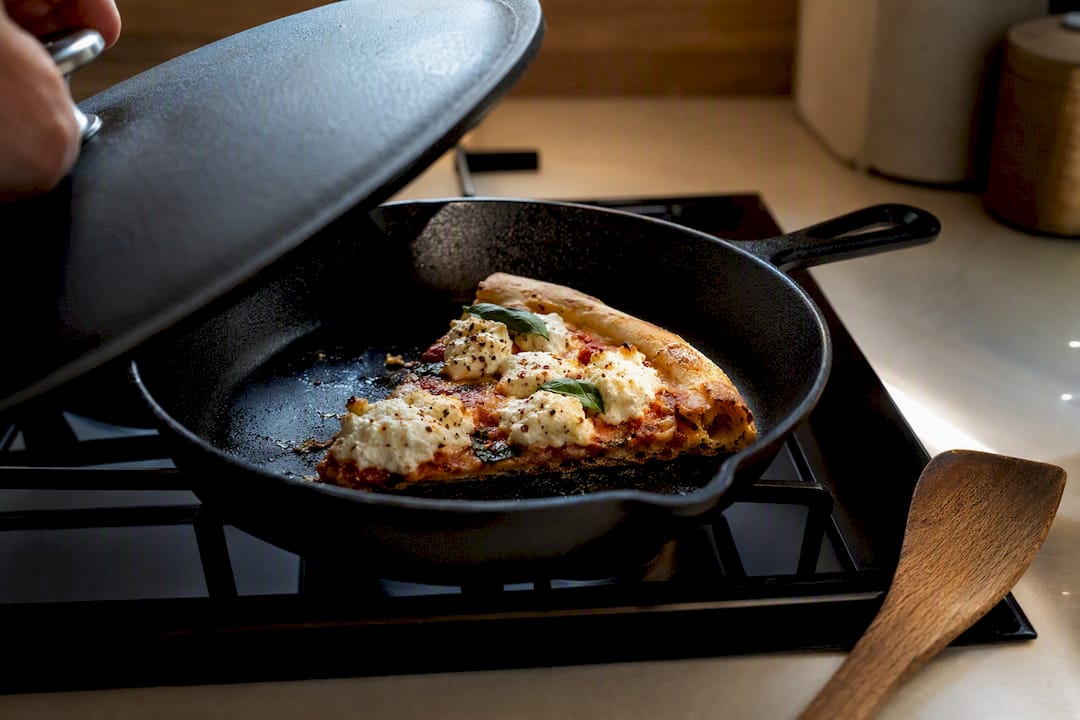
Skip the microwave if you can. It reheats unevenly and tends to make ricotta rubbery while leaving the crust either soggy or tough. A covered skillet on medium heat for three to four minutes re-crisps the bottom while gently warming the toppings without drying out the cheese. An oven or toaster oven at 375°F (190°C) for five to seven minutes works nearly as well, and a sheet of foil tented loosely over the top prevents the ricotta from drying out or browning too fast.
Freezing is possible but not ideal for ricotta pizza specifically. The cheese’s moisture content changes on thawing, often turning slightly grainy or watery once reheated. If you do freeze leftovers, wrap slices individually and reheat directly from frozen in a hot oven rather than thawing first, which limits how much extra moisture escapes into the crust.
For pizzas topped with fresh dollops added after baking, like the classic white or dessert builds, add fresh ricotta again when reheating rather than trying to revive the original dollops. The texture just won’t recover the same way a baked-in dollop does.
A Home Cook’s Honest Take on Ricotta Pizza
Start with the classic white pizza or the hot honey build if you’ve never put ricotta on a pizza before. Both forgive small mistakes, and both make the case for ricotta better than any explanation can. Season the ricotta properly, and don’t be shy with your oven heat. For more builds and topping ideas, browse what’s authentic on a Neapolitan pizza and go from there.
— Michael
Get the Crust Right and Ricotta Takes Care of Itself
Every technique in this guide depends on one thing you can’t fake with seasoning alone: a crust that’s actually built to handle a wet, creamy topping without going soft. That’s where a properly fermented dough earns its keep. Doughdorks’ 48hr Neapolitan Pizza Dough By Weight is cold-fermented for a full two days, which gives it the structure to crisp fast in a hot oven instead of collapsing under ricotta’s moisture.

If you’d rather skip the stretching and fermentation entirely, Doughdorks also stocks pre-cooked Neapolitan bases that give you a consistent, already-crisp foundation straight out of the pack. Pair either one with a curated topping selection to build tonight’s ricotta pizza without a grocery run. Order a dough ball or a pack of bases now, and you’ll have everything you need for a hot oven and a proper contrast between crisp crust and creamy ricotta by dinner.
Sources
- Ham & ricotta pizzas with pesto recipe
- Courgette and ricotta pizza
- Ricotta Pizza
- Can You Put Ricotta Cheese on Pizza? Tips, Types & More
- Ricotta Pizza Done Right: 7 Ways to Use the Trend Topping - That Pizza Kitchen
Recommended
- Best Cheeses for Pizza: A Home Cook’s Guide
- The Best Mozzarella for Pizza: A Home Cook’s Guide
- Should You Put Stracciatella on Pizza Before or After Baking?
- Gorgonzola on Pizza: Recipes and Pairing Ideas
READY-MADE • FROZEN • UK DELIVERY
Skip the mixing. Keep proper dough in your freezer.
48-hour fermented, individually proofed in their own pot and delivered frozen across the UK. Defrost, stretch, top and bake.
-
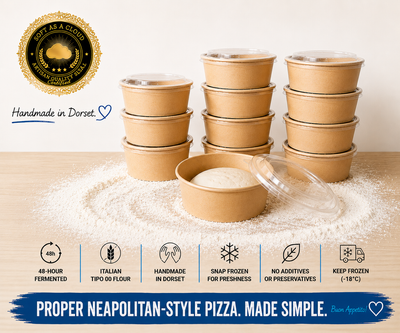 48-Hour Neapolitan-Style Pizza Dough Balls – Box of 12
£22.88
48-Hour Neapolitan-Style Pizza Dough Balls – Box of 12
£22.88
-
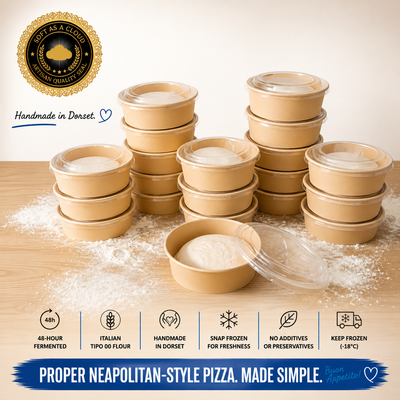 48-Hour Neapolitan-Style Pizza Dough Balls – Box of 20
£32.30
48-Hour Neapolitan-Style Pizza Dough Balls – Box of 20
£32.30
-
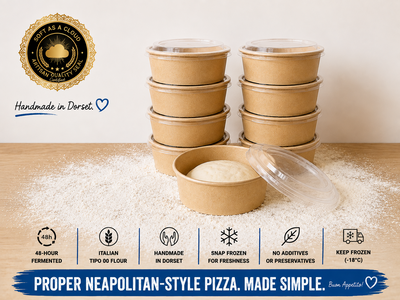 48-Hour Neapolitan-Style Pizza Dough Balls – Box of 8
£18
48-Hour Neapolitan-Style Pizza Dough Balls – Box of 8
£18
Handmade in Dorset • Free UK delivery over £50 • Free proofing pot with every dough ball