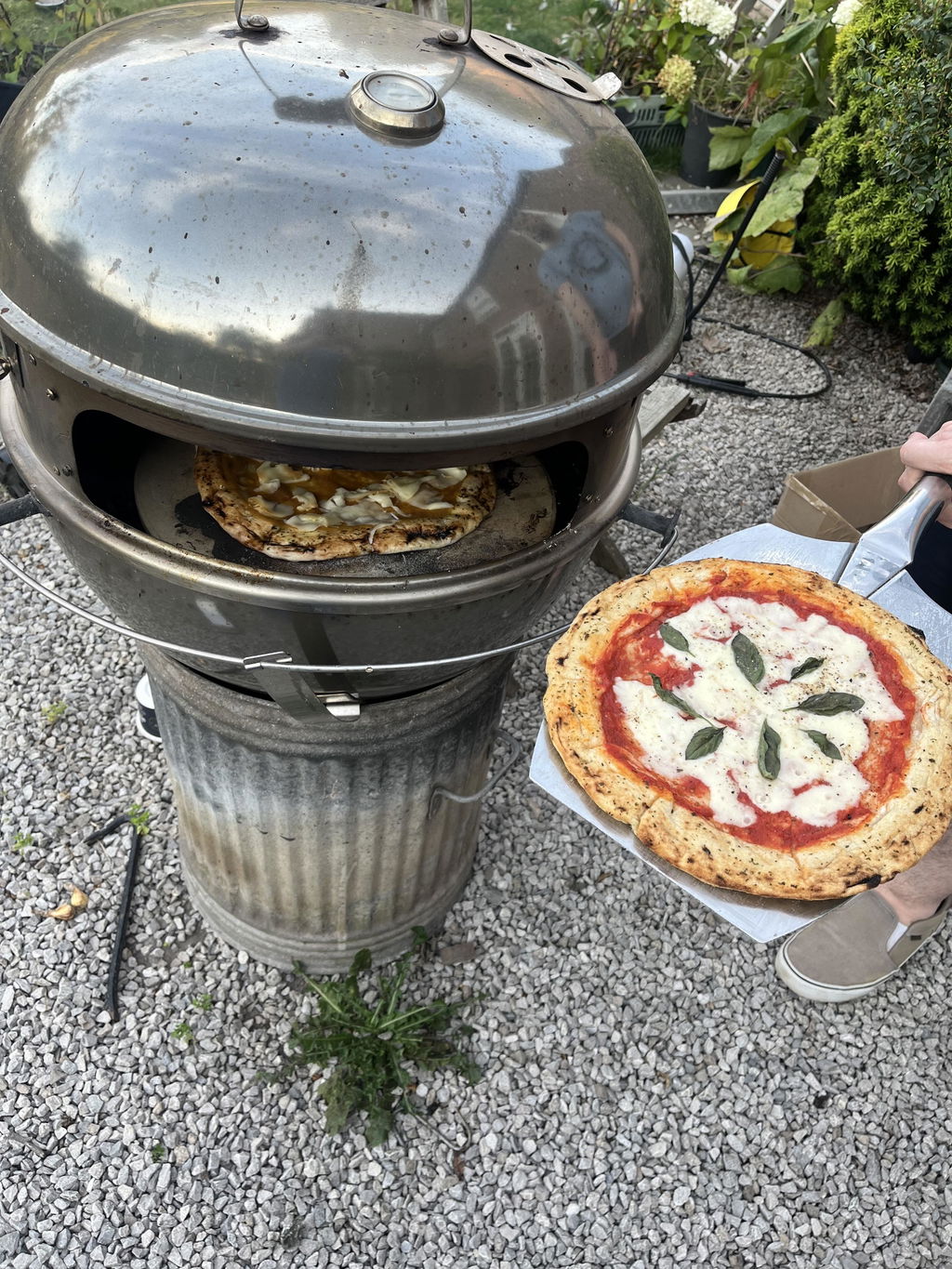
3 Recipes That Keep Crust Crisp: Olives on Pizza for Home Cooks
For home cooks: pick the right olives, drain and slice them, and follow exact prep and portions plus three tested recipes that keep the crust crisp.
Yes, olives belong on pizza, and the results depend on one rule: pick the right variety and control moisture before they hit the dough. Drain, blot and slice olives properly and they add a briny punch that balances sauce and cheese. Skip that step and you get a soggy, over-salted pie. Below you will find the best varieties, prep timing, pairings, three quick recipes and fixes for common mistakes.
TL;DR:
- Properly draining and blotting olives before baking prevents excess moisture, ensuring the crust remains crisp and avoiding sogginess.
- Green olives are best on white pizzas for a sharp, distinct flavor, while Kalamata adds a tangy, fruity edge suitable for tomato-based styles.
- Use bold, brine-packed olives sparingly to enhance flavor without overpowering other toppings, and consider adding delicate ingredients after baking for best texture.
- Fermented dough with 48 hours of hydration, such as Italian 00 flour, provides a sturdy base capable of handling moist, salty toppings like olives.
- Overloading a pizza with multiple salty ingredients often results in imbalance; prioritize one prominent brined element and keep its quantity moderate.
Table of Contents
- 1. Which olive variety works best for your pizza
- 2. How to prep and time olives so the crust stays crisp
- 3. What pairs well with olives and three recipes to try
- 4. Fixing soggy, salty, or overloaded olive pizzas
- 5. Why our dough and finishing methods make olive pizzas easier
- The one thing most olive pizza advice gets wrong
- Get pizzeria-style results without the guesswork
- Sources
- FAQ
1. Which olive variety works best for your pizza
Not all olives behave the same way on a hot crust, and picking the wrong one can throw off an otherwise good pizza. Black olives are mild and earthy, which makes them a safe, all-purpose choice for red-sauce pies. Green olives are sharper and saltier with a firmer bite, so they work best where you want a distinct pop rather than background flavor. Kalamata olives bring a fruity, tangy edge and pair naturally with tomato-based sauces and Mediterranean toppings. Castelvetrano olives are buttery and mild, a good match for white pizzas or anywhere you want olive flavor without aggressive salt. Cerignola olives are large, firm and mellow, useful when you want a meaty bite that holds its shape through the bake.
Pizza sources describe olives as flavor magnifiers rather than filler, and recommend using bold varieties sparingly so they do not overpower the other toppings. Green olives tend to work well on white pizzas, while black and Kalamata varieties stabilize the acidity of red sauce.
A few sourcing notes worth knowing before you shop:
- Brine-packed olives keep longer and taste sharper; oil-packed versions are softer and richer, better for finishing.
- Pitted olives save prep time; whole olives with pits often have deeper flavor but need extra handling.
- Sliced or halved olives distribute more evenly across a pizza than whole ones.
2. How to prep and time olives so the crust stays crisp
Moisture is the enemy of a crisp base, and olives carry more of it than most toppings. Getting the timing and prep right is what separates a clean slice from a soggy one.
- Drain the olives fully and blot them dry with a paper towel before they touch the dough.
- Pit them if they are not already pitted, then halve or slice so the brine trapped inside can escape during baking.
- Skip rinsing for most brined olives, since a light rinse only matters when the brine is unusually harsh or salty.
- Add most olives before baking so they warm through and blend with the sauce and cheese.
- Save delicate, oil-packed items like anchovies or a finishing drizzle for after the bake, when heat would otherwise dry them out or dull their flavor.
- Par-bake the crust first if you are loading on heavy, briny combinations, so the base sets before the moisture load arrives.
For portion guidance, a Napoli-style balance uses a moderate amount of pitted olives relative to dough size, scaling with pizza diameter. Neapolitan technique pages back this up with weight-based guidance for olives and capers, using precise measurements to keep briny toppings from overwhelming the base. Technical guides on topping order agree that high-salt or delicate ingredients, including anchovies, fresh herbs and finishing oils, are best added after the bake to preserve their texture and aroma. Our own notes on olive oil timing follow the same logic: add fat and moisture after hydration or after baking, never before, when you want it to stay vivid.
Pro Tip: Split your olives into two batches, add most before baking for integration, and scatter a small handful on right after the pizza comes out for a burst of fresh brine and aroma.

3. What pairs well with olives and three recipes to try
Olives play well with other salty, earthy or creamy ingredients, and a few classic pairings do most of the work. Feta, capers, anchovies, roasted peppers, mushrooms, oregano, basil, ricotta and pesto all complement olive brine without competing for attention.
- Feta and Kalamata olives lean into a Greek-inspired flavor profile that suits a simple tomato base.
- Capers and black olives intensify a Mediterranean-style pizza when used in moderation.
- Ricotta and Castelvetrano olives soften the whole pie for a white pizza that never turns salty or sharp.
- Roasted peppers and mushrooms add sweetness and earthiness that offset a bolder green olive.
Three quick assemblies to try at home:
Olive and tomato classic. Spread a thin layer of tomato sauce, add mozzarella, scatter 50 to 65 grams of halved black or Kalamata olives, and bake at 425°F until the crust browns and the cheese bubbles. A well-known tomato-onion-olive recipe calls for 20 black olives, giving a workable reference for how many to use on a standard home pie.
White pizza with green olives, ricotta and pesto. Skip the tomato sauce, dollop ricotta across the dough, add sliced green olives, bake, then finish with a spoon of pesto once the pizza comes out so the basil stays bright. Our guide to keeping pesto vibrant covers this two-stage approach in more detail, and the base recipe from Azienda Agricola Minnelea offers a sun-dried tomato pesto variation worth trying on the same crust.
Napoli-style with anchovy, olive and caper. Build a simple tomato and mozzarella base, add Kalamata olives and a light scatter of rinsed capers before baking, then lay oil-packed anchovies across the top the moment it leaves the oven. High-quality anchovies are best added right after baking so they warm through without drying out.
If fresh olives are not on hand, jarred varieties work fine for all three recipes, and pesto from a jar substitutes cleanly for homemade when time is short.
4. Fixing soggy, salty, or overloaded olive pizzas
A soggy center usually comes from one of three sources: olive moisture that was never blotted, too much sauce, or a crust that never fully baked through. Press a finger into the center slice: a wet, gummy texture points to moisture or under-baking, while a greasy but structurally sound base usually means too much oil.
- Pull excess toppings off a finished slice and finish it on a hot tray or under the broiler for a minute to crisp the base.
- Let the pizza rest on a wire rack rather than a cutting board so steam escapes instead of soaking back into the crust.
- Reduce the olive weight on your next attempt and pat toppings drier before assembly.
Over-salting has its own fixes: cut back on added salt in the sauce or dough, rinse capers before use, halve your anchovy or olive quantities, and reach for a milder variety like Castelvetrano when you want olive flavor without the sodium hit.
5. Why our dough and finishing methods make olive pizzas easier
Briny toppings need a dough that can absorb moisture without turning gummy, and that is where fermentation time matters. Some dough makers produce 48-hour fermented dough balls with Italian 00 flour and extra virgin olive oil, creating bases with enough structure to handle olives, capers and cheese without collapsing in the middle. Consistent hydration across dough balls helps achieve similar bake times and results.
A base that ferments properly holds its shape under wet, salty toppings instead of turning to paste.
Pre-cooked bases and curated topping collections can remove the guesswork covered above. Our posts on olive oil timing and anchovies on pizza go deeper into the finishing techniques mentioned here.
The one thing most olive pizza advice gets wrong

Most guides treat olives as an afterthought, a garnish tossed on for color. That undersells what a well-chosen olive does: it is one of the few toppings that can carry an entire pizza’s seasoning on its own. The real mistake home cooks make is not variety selection, it is over-loading. A pizza with 65 grams of Kalamata olives and nothing else salty often tastes better balanced than one stacked with olives, capers, anchovies and a salty cheese all at once.
The conventional wisdom to “just add more toppings for more flavor” falls apart with olives faster than with almost anything else on a pizza. Prioritize one bold brined element per pie, drain and blot it properly, and let the crust and sauce do the rest. Get that ratio right before you worry about which specific variety to buy.
— Michael
Get pizzeria-style results without the guesswork

Olives reward a good crust, and a good crust starts with proper fermentation. Dough Dorks’ pizza dough balls are fermented for 48 hours with Italian 00 flour, giving you a base that holds up under briny, wet toppings instead of turning soft in the middle. If you would rather skip the dough stage entirely, our pre-cooked bases and ready-made pizzas get you to topping and baking faster, and our curated pizza toppings collection includes olives and complementary ingredients so you are not hunting through separate grocery aisles. Browse the full range and build your next olive pizza around a base that was made for it.
Sources
- Pizza With Tomatoes, Onions And Olives (NYT Cooking)
- Best Olives for Pizza | Topping Tips from Chicago Experts (Pequod’s Pizza)
- Plainpaper
- Napoli Pizza | Cokes Pizza
FAQ
Are olives good on pizza?
Yes, olives add a briny, concentrated flavor that balances tomato sauce and enriches white pizzas when used in moderate amounts. The key is choosing a variety suited to your sauce base and draining them well before baking to avoid excess moisture.
Do you put olives on pizza before or after cooking?
Most olives go on before baking so they warm through and blend with the cheese and sauce. Delicate, oil-packed toppings like anchovies are better added right after the pizza leaves the oven so they do not dry out.
Do Italians put olives on pizza?
Olives appear on many regional Italian pizza styles, often alongside capers, anchovies or tomatoes in Mediterranean-inspired combinations. Neapolitan-style recipes use weight-based guidance for olives to keep the topping balanced rather than overwhelming the base.
What toppings go with olives on pizza?
Feta, capers, anchovies, roasted peppers, mushrooms, ricotta, pesto, basil and oregano all pair well with olives without competing for attention. Pairing a milder olive like Castelvetrano with ricotta keeps a white pizza from turning too salty.
What are the best olives for pizza?
Kalamata and black olives suit red-sauce pizzas, Castelvetrano works best on white pizzas, and Cerignola olives hold their shape well for a meatier bite. Pizza experts describe olives as flavor magnifiers best used sparingly rather than piled on.
Recommended
- How to Use Olive Oil on Pizza: Timing, Types, and Amounts
- 1–3% Olive Oil in Pizza Dough for Home Cooks: Add It After Hydration
- Home Cooks: Ricotta on Pizza Without Soggy Centers, 4 Recipes
- Keep Pesto Bright on Pizza With Two Stage Finish, No Soggy Crust
READY-MADE • FROZEN • UK DELIVERY
Skip the mixing. Keep proper dough in your freezer.
48-hour fermented, individually proofed in their own pot and delivered frozen across the UK. Defrost, stretch, top and bake.
-
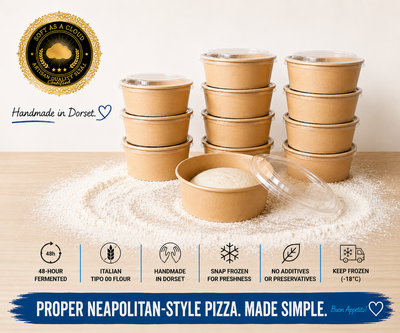 48-Hour Neapolitan-Style Pizza Dough Balls – Box of 12
£22.88
-
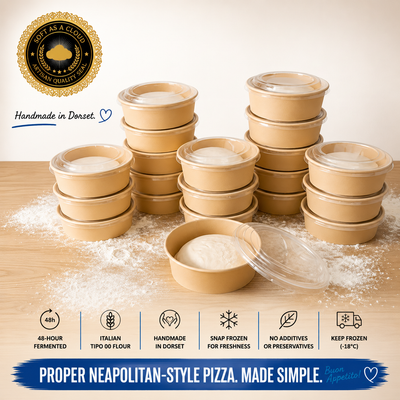 48-Hour Neapolitan-Style Pizza Dough Balls – Box of 20
£32.30
-
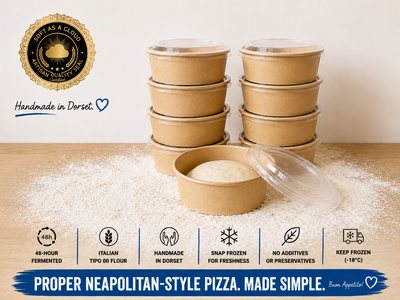 48-Hour Neapolitan-Style Pizza Dough Balls – Box of 8
£18
Handmade in Dorset • Free UK delivery over £50 • Free proofing pot with every dough ball