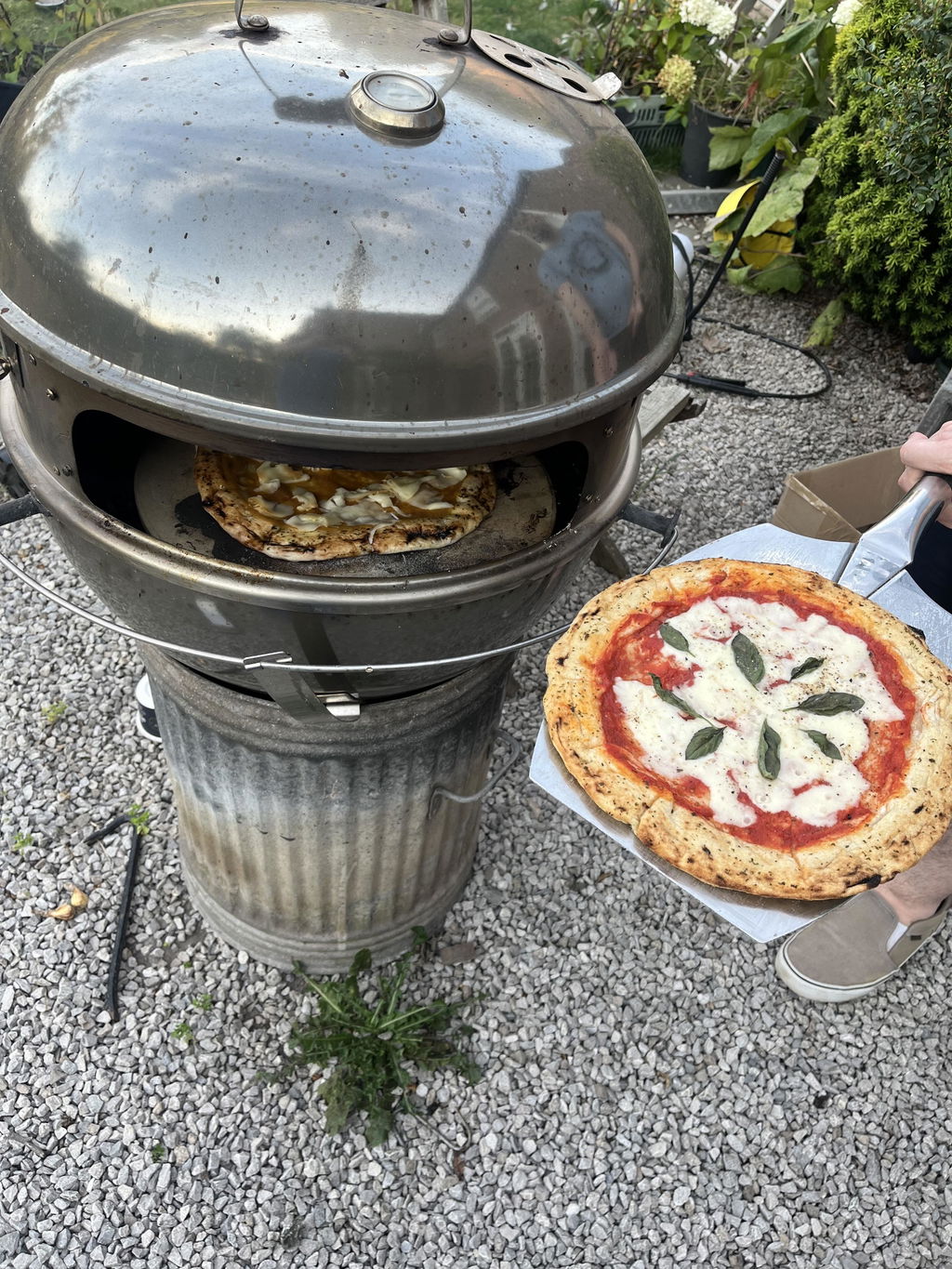
15% Semolina Rimacinata for Crisp Pizza in UK Home Ovens
How a 15% semolina rimacinata blend changes colour, hydration and rest to produce a crisper, golden pizza in UK home ovens, plus where to buy.
Semola rimacinata is fine, re-milled durum semolina, and it earns its place on a pizza bench two ways. Blend it at 10 to 20% into your dough for a golden crumb, a crisper bottom, and a faint nutty flavor. Or keep a separate bag of coarse semolina for dusting the peel. Get the two jobs mixed up and you will end up with a gritty crust instead of a great one.
TL;DR:
- Using 10 to 20% semola rimacinata in dough enhances color, flavor, and crispness, with 15% being optimal for home oven baking.
- Higher percentages above 25% can create a denser, firmer dough that becomes difficult to stretch and results in an overly crunchy crust.
- Coarse semolina is best for dusting the peel to prevent sticking, while semola rimacinata should be kept separate for mixing to avoid gritty textures.
- Proper storage in a cool, airtight container and checking for a bright yellow color ensures freshness and baking quality.
- A 15% semola rimacinata blend, combined with increased hydration and longer resting times, offers a reliable upgrade for home-made Neapolitan-style pizza.
Table of Contents
- What Is Semolina Rimacinata Pizza Flour, Exactly?
- How Does Semolina Change the Look and Bite of Pizza?
- How to Make Semolina Pizza Dough at Home
- Dusting Flour or Dough Ingredient: Which Semolina Goes Where?
- Where Can You Buy Semolina Rimacinata in the UK?
- A Tested 15% Semolina Blend and Common Fixes
- Is Semolina Rimacinata Worth the Extra Step?
- Let Doughdorks Handle the Dough While You Focus on the Blend
- Sources
- FAQ
What Is Semolina Rimacinata Pizza Flour, Exactly?
“Rimacinata” means re-milled or double-milled. Millers take coarse durum semolina, the sandy yellow flour used for pasta, and grind it a second time until the granules are fine enough to behave like a proper baking flour. That second pass is the entire difference between semola rimacinata and the coarse semolina sitting next to it on the shelf.
Durum wheat itself sets this flour apart from soft-wheat 00 flour. Durum runs higher in protein, typically in the 12 to 13% range according to product data from millers like Molino Casillo, and it carries natural carotenoid pigments that give the flour its warm yellow tint before it even hits the oven.
When buying, check the bag wording carefully:
- Look for “semola rimacinata di grano duro” or simply “semola rimacinata” on the label.
- Avoid bags marked just “semola” or “semolina” with no “rimacinata” qualifier, which is the coarse grind meant for dusting, not mixing.
How Does Semolina Change the Look and Bite of Pizza?
The carotenoids in durum wheat give a semola blend a noticeably deeper gold color than a pure 00 dough, and the flavor shifts too, picking up a subtle nuttiness that plain white flour does not have. It is a visible, tasteable difference, not a marketing claim.

Texture changes just as clearly. At moderate percentages, semola tightens the crumb structure just enough to produce a firmer chew and a crisper undercarriage, the part of the pizza that actually touches the stone or steel.
Blending semola rimacinata at roughly 10 to 20% into a strong white base produces a crisper bottom, warmer color, and nuttier flavor, according to baking guidance from PizzaTechHQ, and starting around 15% is the sweet spot for home ovens that lack the raw heat of a commercial deck oven.
Push past that range and the trade-offs show up fast. Higher semola percentages produce a denser, harder-to-stretch dough that fights you during shaping and bakes up firmer than most home cooks actually want in a Neapolitan-style crust.
How to Make Semolina Pizza Dough at Home
Getting a semola blend right is less about the recipe and more about a handful of adjustments to whatever dough process you already use.
- Pick your ratio first. Start at 5 to 10% semola rimacinata for a subtle color and flavor lift, or go to 15% if you want real bottom crispness. Stay under 25% unless you are deliberately making a denser, pan-style base, since semola dough gets noticeably tighter above that line.
- Bump the hydration. Semola rimacinata binds more water than typical bread flour. Add a small amount of extra water to your usual formula, then run an autolyse, resting the flour and water together for 20 to 30 minutes before adding salt and yeast, to let the dough relax and avoid the dreaded snap-back when you try to stretch it.
- Give shaped balls a longer bench rest. Semola-enriched dough needs more time to relax than a pure 00 dough. An extra 15 to 20 minutes at room temperature before stretching makes a real difference to how easily it opens.
- Choose your bench flour deliberately. Use coarse semolina, not rimacinata, for the actual stretching surface. It resists sticking better and will not gum up the gluten structure the way a fine flour can.
- Preheat your stone or steel properly. A screaming hot surface matters more with semola blends because the extra structure needs strong bottom heat to crisp up rather than just dry out.
Pro Tip: If your home oven tops out well below a wood-fired deck, a small amount of diastatic malt powder in the dough can help the crust brown properly at lower temperatures, since malt enzymes assist caramelization that high heat alone would otherwise provide.
Dusting Flour or Dough Ingredient: Which Semolina Goes Where?
Coarse semolina and semola rimacinata are not interchangeable, and mixing them up is the single most common mistake home bakers make.
- Coarse semolina works on the peel because its larger granules act like tiny ball bearings, letting the dough slide off cleanly instead of sticking. It also resists scorching in a hot oven better than regular flour, which matters when you are launching straight onto a stone.
- Semola rimacinata is the only semolina to fold into the dough itself. Its fine texture integrates smoothly with gluten strands instead of sitting gritty in the crumb, industry sources confirm the two products serve entirely different jobs.
- Keep both on your bench in labeled containers: a shallow tub of coarse semolina by the peel, and the rimacinata bag stored separately in the cupboard where it will not get scooped by mistake mid-launch.
A light dusting is all coarse semolina needs to do its job. Overdo it and you get a burnt, bitter ring on your crust edges.
Where Can You Buy Semolina Rimacinata in the UK?
UK retailers stock semola rimacinata in a range of formats, from small retail bags to bulk pro sizes. Caputo’s double-milled semola rimacinata is sold in 1kg bags for home use, with 5kg and 10kg formats aimed at more frequent bakers, and pricing for the 1kg size typically sits somewhere in the low single digits of pounds. Wider marketplace listings on sites like Amazon also carry both Caputo and other Italian milling brands.
When you buy, check for:
- The words “rimacinata” or “double-milled” on the packaging, confirming it is the fine grind and not coarse semolina.
- A resealable bag or a container you can transfer it to once opened.
- Protein content listed near 12 to 13%, a sign of a proper baking-grade semola rather than a pasta-only product.
Store it airtight in a cool, dark cupboard and use it within a few months of opening. A stale bag smells faintly musty rather than sweet and wheaty, and the color dulls from bright yellow to a flatter beige, both signs it is past its best for pizza work.
A Tested 15% Semolina Blend and Common Fixes
A dependable starting formula: mix 85% strong white bread flour with 15% semola rimacinata, then add roughly 2 to 3% more water than your usual ratio calls for and run a 30 minute autolyse before adding salt and yeast. Rest shaped balls a little longer than you would with pure 00 dough, and stretch on a bed of coarse semolina rather than flour.

For hydration specifics and a full stretching walkthrough, Doughdorks has step-by-step guides on dough hydration and stretching without tearing.
Three fixes for common problems:
- Dough snapping back usually means it needs more rest time or a longer autolyse, not more flour.
- Gritty crumb almost always means coarse semolina got mixed in instead of rimacinata, a mix-up baking writers flag often.
- Pale crust points to oven temperature, not the flour blend. A hotter stone or a pinch of diastatic malt solves it faster than reworking the dough.
Pro Tip: If your crust browns unevenly even with a hot stone, a small amount of sugar in a starter can help color development too, a technique covered in more detail by Zeste’s sourdough starter guide.
Is Semolina Rimacinata Worth the Extra Step?
Semola rimacinata helps most when you already have your basic dough process down and want a visible upgrade in color and bottom crispness without buying new equipment. If you are still working on hydration and shaping fundamentals, stick with straight 00 flour until stretching feels automatic, then introduce semola once your technique is consistent.
— Michael
Let Doughdorks Handle the Dough While You Focus on the Blend
Testing a new flour ratio is easier when you are not also troubleshooting fermentation from scratch. Doughdorks builds slow, 48-hour fermented dough with premium Italian ingredients, so if you want to taste what a well-handled semola blend feels like before committing to a full DIY batch, a ready-made dough ball gives you that baseline.

Pair it with a curated topping from the Doughdorks pizza toppings collection, or if you want the semola effect without any mixing at all, the Italian Herb Neapolitan dough balls and 48-hour sourdough dough balls are both handmade and delivered UK-wide, insulated and ready to stretch. Order a batch, keep your own semola experiments running alongside, and compare notes on crispness and color side by side.
Sources
- Semolina in Pizza Dough: How and Why | PizzaTechHQ
- Molino Casillo Semola Rimacinata Top - product listing
- The hidden hero of homemade pizza dough: Diastatic malt powder | Pizzori
FAQ
What Is the Difference Between Semolina and Semolina Rimacinata?
Semolina is the coarse, sandy grind of durum wheat traditionally used for pasta and bench dusting. Semola rimacinata is that same durum semolina milled a second time until it turns fine, making it suitable for mixing directly into pizza or bread dough rather than just dusting the surface.
What Does Semolina Do to Pizza?
It adds a golden color from durum wheat’s natural carotenoids, a subtle nutty flavor, and a crisper bottom crust when blended into the dough at roughly 10 to 20%, according to baking research from PizzaTechHQ. Used only as a dusting flour on the peel, coarse semolina mainly prevents sticking rather than changing the dough’s flavor.
What Type of Semolina Is Best for Pizza Dough?
For mixing into the dough itself, semola rimacinata is the right choice because its fine texture integrates with gluten instead of leaving a gritty crumb. Coarse semolina still has a role, just on the peel for launching, not inside the dough.
Can You Make Pizza With Only Semolina Flour?
You can, but a 100% semola dough turns dense and tight, making it harder to stretch thin and giving a much firmer chew than most home cooks want in a Neapolitan-style crust. Most bakers get better results blending it at 10 to 20% with a strong white flour rather than replacing it entirely.
Is Semolina Rimacinata Allowed in Official Neapolitan Pizza Dough?
The AVPN Disciplinare permits semolina for dusting and spreading the dough by hand, but it excludes non-00 or non-0 wheat flours, including semola, from the official dough recipe itself. That means rimacinata stays on the bench for shaping, never mixed into a certified Verace Pizza Napoletana dough.
Recommended
- Semolina for Pizza: Why Use It & How Much?
- Pizza Dough for Ooni Ovens
- Pizza Sticking to Peel? 60-Second Semolina Fix
- How to Par Bake Pizza Dough for a Crispier Crust
PIZZA NIGHT, SORTED
Build the pizza with proper Italian ingredients
Shop Italian toppings, then add 48-hour fermented dough balls from Dorset for a complete pizza night.
-
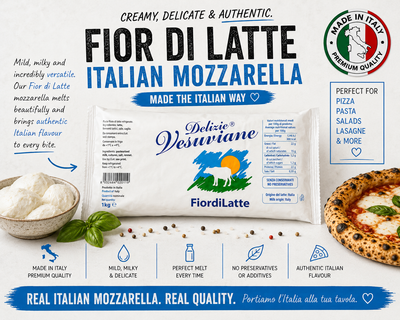 Fior di Latte Mozzarella for Pizza – 1kg
£12.59
-
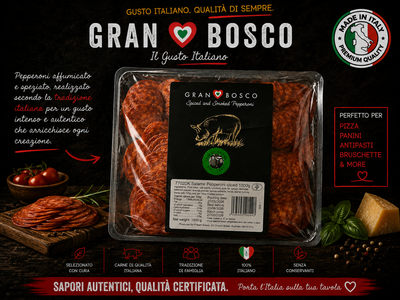 Gran Bosco, Smoked Sliced Pepperoni – 1kg
£18
-
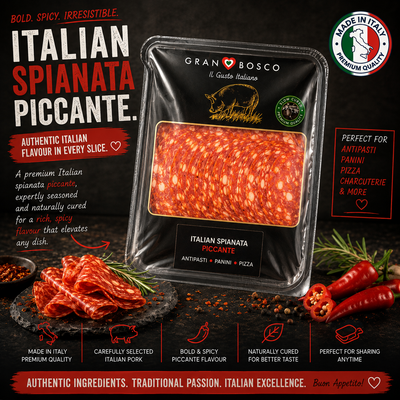 Gran Bosco - Italian Spianata Piccante 250g
£8.10
Handmade in Dorset • Free UK delivery over £50 • Free proofing pot with every dough ball