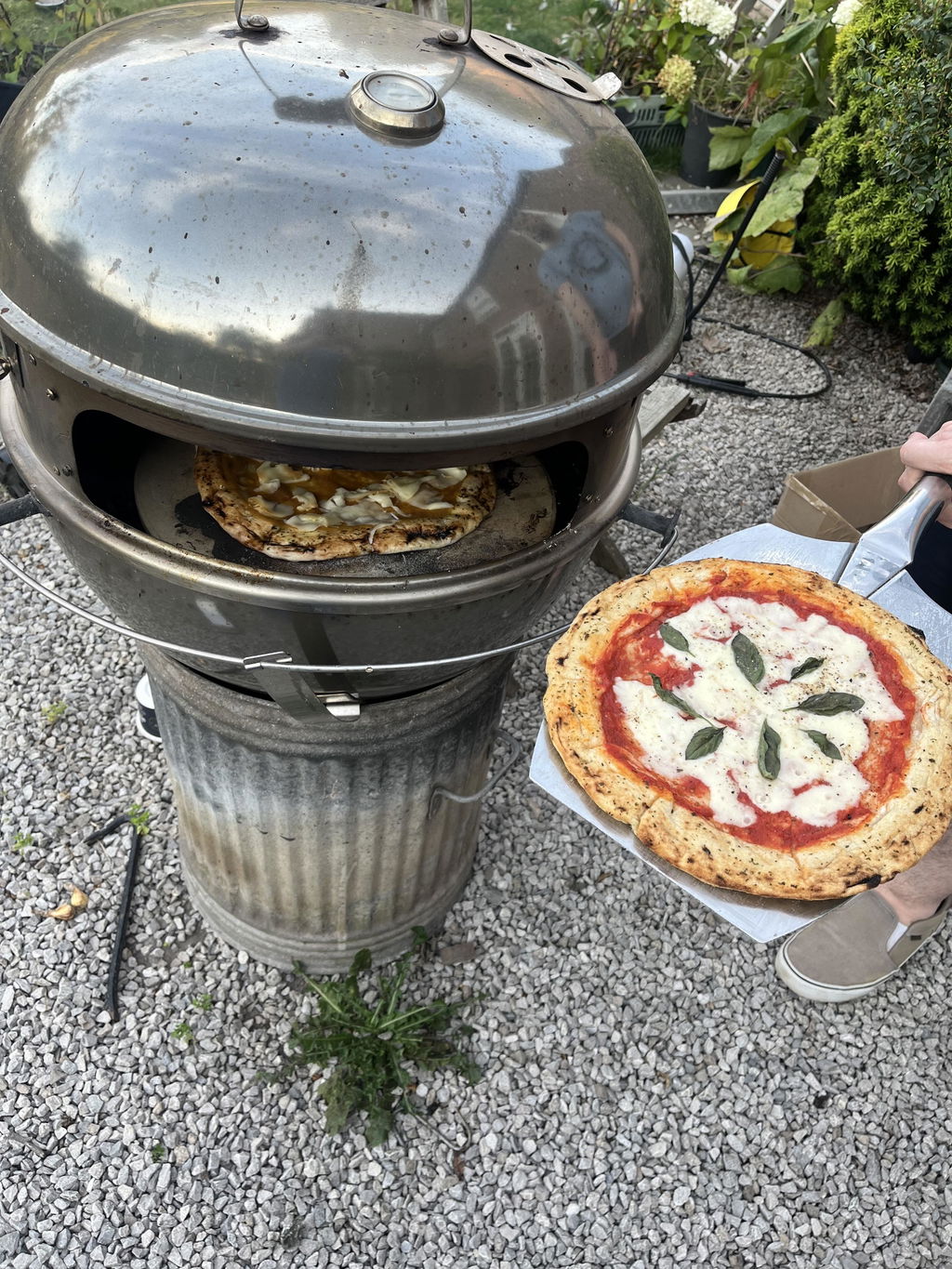
Avoid Soggy Pizza: Fior di Latte vs Buffalo Mozzarella for UK Ovens
UK home cooks' guide to fior di latte and buffalo mozzarella: when to bake or finish, draining and slicing tips, a 3:1 blend and where to buy.
For most home pizza cooks, fior di latte is the practical choice for the oven, while buffalo mozzarella is a richer option best eaten fresh or added at the end of cooking. Fior di latte is cow’s milk mozzarella with lower moisture and a firmer bite, so it bakes cleanly. Buffalo mozzarella brings more tang and fat, so it shines when added after the bake rather than fighting the oven for eight minutes.
TL;DR:
- Fior di latte is more widely available and less expensive than buffalo mozzarella because it is made from abundant cow’s milk.
- Proper draining and resting are essential for both cheeses to prevent a soggy crust, regardless of the type used.
- Fior di latte performs better in high-temperature ovens due to its firmer curd, while buffalo mozzarella is best added after baking to maintain flavor.
- Authentic Mozzarella di Bufala Campana must be produced within the designated Campania region and carry the PDO designation for true authenticity.
- Combining three parts fior di latte with one part bufala can balance meltability and richness for versatile pizza styles.
Table of Contents
- Head-to-Head: Milk Source, Flavor, Texture, and Price
- How to Buy, Drain, Slice, and Store Each Cheese for Pizza
- Which Cheese Fits Which Pizza Style and Oven
- Where to Find Reliable Fior di Latte and Buffalo Mozzarella
- Fior di Latte and Buffalo Mozzarella: Comparing the Nutrition
- Where Each Cheese Comes From and How It’s Traditionally Made
- What Actually Matters More Than the Cheese You Pick
- Get the Right Cheese Delivered for Your Next Pizza Night
- Sources
- FAQ
Head-to-Head: Milk Source, Flavor, Texture, and Price
The two cheeses start from different animals, and that single fact explains almost every difference that follows. Fior di latte comes from cow’s milk, while buffalo mozzarella is made from the milk of water buffalo, which naturally carries more fat and protein. That richer base is why buffalo-milk mozzarella tends to taste more full-bodied and tangy, while fior di latte reads as milder and cleaner on the palate.
Texture follows the same split. Fior di latte holds a firmer curd with less free liquid, so it browns and melts without flooding the pizza surface. Buffalo mozzarella carries more whey inside its curd, and that extra moisture is exactly what makes it prone to turning a pizza soggy if it goes into the oven raw and whole.
Buffalo-milk mozzarella authorized under the AVPN specification must carry the Mozzarella di Bufala Campana DOP designation to count as a traditional Neapolitan topping, which matters if you’re chasing an authentic result rather than just a buffalo-flavored one.
Price and availability follow logically from production scale:
- Fior di latte is produced from cow’s milk, which is far more abundant, so it tends to be more widely available and less expensive than buffalo mozzarella.
- Genuine Mozzarella di Bufala Campana is a protected designation of origin product under EU rules, meaning only cheese made in the designated Campania zone under the registered method can carry that name.
- A product labeled simply “di bufala” without the PDO marking may still be buffalo milk cheese, but it does not carry the same origin guarantee, so check the label if authenticity matters to you.
How to Buy, Drain, Slice, and Store Each Cheese for Pizza
Getting good results has less to do with which cheese you pick and more to do with how you handle it before it hits the dough. Start with the format: brined balls sold in liquid tend to carry more surface moisture than vacuum-packed blocks, so if you’re using bufala on pizza, a lightly drained ball is typically easier to control than one straight from the tub.
- Drain the cheese in a sieve for 10 to 15 minutes, then pat it dry with paper towels to pull off surface liquid before you tear or slice it.
- Let it sit at room temperature for about 15 to 20 minutes before assembly. Cold cheese straight from the fridge melts unevenly and releases more liquid as it warms mid-bake.
- Tear fior di latte into small chunks or thin strips rather than thick slices, which lets it melt through without pooling in one spot.
- Distribute pieces evenly, leaving small gaps between them so steam can escape rather than collecting under a solid cheese layer.
- Add bufala after the pizza comes out of the oven, or in the final 20 to 30 seconds of a very hot bake, so the heat softens it without cooking out its flavor.
Pro Tip: Keep a spare paper towel on hand while assembling. A quick second blot on any cheese piece that looks glossy will save you from a wet center slice.
Once opened, both cheeses are best used within two to three days in the fridge, submerged in their own liquid if any remains, since fresh mozzarella has no rind or preservative crust to slow spoilage. For more detail on avoiding a soggy base entirely, see our guide on stopping mozzarella from making pizza soggy.

Which Cheese Fits Which Pizza Style and Oven
The right cheese changes depending on how hot your oven runs and how long the pizza actually cooks.
- Classic margherita: Use fior di latte as the base layer for a full bake, then scatter small torn pieces of bufala on top the moment the pizza comes out, which keeps the fresh tang intact rather than cooking it away.
- High-temperature oven or steel: Both cheeses can work in a 90-second to two-minute bake, but fior di latte is the lower-risk choice since it sheds less liquid under intense, fast heat.
- Standard home oven or tray bake: A longer, cooler bake gives moisture more time to escape from the cheese into the dough, so lean on fior di latte, or use bufala that has been well drained and rested first.
- Blended approach: Many pizza makers combine roughly three parts fior di latte to one part bufala on the base, which keeps melt performance intact while still adding a noticeable lift in richness, an approach some pizza guides describe as the best of both worlds.
Where to Find Reliable Fior di Latte and Buffalo Mozzarella
Dough Dorks focuses on authentic Neapolitan pizza ingredients, and its Pizza Knowledge Hub covers both cheese types in more depth for cooks who want to go further than a single comparison article, including a dedicated piece on what fior di latte actually is and one on what makes mozzarella di bufala different.
- Fattorie Vittoria Mozzarella di Latte di Bufala suits the finishing touch on a margherita or any pizza where you want the tang and richness of buffalo milk without risking a soggy crust.
- Fior di Latte Delizie Vesuviane Fior di Latte is built for the full bake: lower moisture, firmer curd, and reliable melt across most home oven setups.
- Both are sold in home-friendly pack sizes and arrive with UK-wide delivery, and checking the chilled packaging as soon as it lands helps preserve texture before you drain and rest the cheese yourself.
Fior di Latte and Buffalo Mozzarella: Comparing the Nutrition
Both cheeses come from fresh, unaged mozzarella curd, so their nutrition profiles sit closer together than their flavors suggest, but the milk source still creates real differences. Buffalo milk naturally carries more fat and protein than cow’s milk, and that difference carries through into the finished cheese, giving buffalo mozzarella its noticeably richer mouthfeel and higher calorie density per bite. Fior di latte, made from cow’s milk, tends to sit lighter, with a leaner fat profile that some cooks prefer for everyday pizza nights rather than an occasional indulgence.
Neither cheese is a significant source of carbohydrates, since fresh mozzarella is a rennet-set curd cheese with minimal residual lactose compared to aged varieties. Both provide calcium and protein typical of fresh dairy products, though exact figures vary by brand and moisture content at the point of sale, so checking the label on your specific pack is the only reliable way to compare two products side by side. If you’re weighing portion size against richness, a good rule of thumb is that a little buffalo mozzarella tends to deliver more flavor per gram than the same weight of fior di latte, simply because of its higher fat content. That is part of why so many pizza makers use it sparingly as a finishing touch rather than a full base layer.
Where Each Cheese Comes From and How It’s Traditionally Made
Fior di latte has roots across Italy wherever cow’s milk was abundant and buffalo herds were scarce, making it the everyday mozzarella found in most Italian regions long before refrigerated transport made buffalo milk widely available outside its home territory. Its production follows the same basic method as buffalo mozzarella: heating milk, adding rennet to form curds, then stretching and kneading the curd in hot water until it reaches the smooth, elastic texture typical of pasta filata cheeses.
Buffalo mozzarella’s traditional home is Campania, in the marshy lowlands south of Naples, where water buffalo have been raised for centuries. The cheese made there under the registered method, Mozzarella di Bufala Campana, carries protected designation of origin status under EU law, which restricts the name to cheese produced within that specific zone using buffalo milk and the traditional pasta filata technique. That protection exists precisely because the terrain, the buffalo breed, and generations of local method all shape the final flavor, and cheese made elsewhere with buffalo milk cannot legally use the same PDO name even if the process is similar. For pizza makers chasing full authenticity, that distinction between “buffalo mozzarella” and true PDO Mozzarella di Bufala Campana is worth knowing before you buy.

What Actually Matters More Than the Cheese You Pick
The debate over fior di latte versus buffalo mozzarella gets treated like a binary choice, but that framing misses the bigger lesson. Both cheeses are officially recognized as suitable toppings for authentic Neapolitan pizza under the AVPN specification, so the real question isn’t which one is correct. It’s which one you’re prepared to handle properly.
Most soggy pizzas blamed on “bad mozzarella” are actually the result of skipped draining, cold cheese straight from the fridge, or cheese piled too thick in one spot. A well-drained buffalo mozzarella, added at the right moment, will outperform a carelessly handled fior di latte every time. If you take one thing from this comparison, prioritize technique over brand loyalty to one cheese. Learn to read moisture, rest your cheese before assembly, and decide bake-through versus finish-on-top based on your oven’s actual heat, not on which cheese sounds more impressive on the label.
— Michael
Get the Right Cheese Delivered for Your Next Pizza Night
You can find fior di latte and buffalo mozzarella and appropriate dough balls to build the pizza described in this guide without hunting across multiple shops.

- Browse the pizza toppings collection for curated cheeses ready to pair with your dough.
- Order 48-hour sourdough pizza dough balls for a base built to handle a proper bake.
- Choose from pre-cooked Neapolitan pizza bases if you want to skip proofing entirely and go straight to topping.
Products can be shipped within the UK, arriving ready for a home pizza night without needing to shop around for ingredients at multiple stores. Visit Dough Dorks to start building your order.
Sources
FAQ
Is fior di latte the same as mozzarella?
Fior di latte is a type of mozzarella, specifically the version made from cow’s milk rather than buffalo milk. All fior di latte is mozzarella, but not all mozzarella is fior di latte, since buffalo milk versions carry a different name and flavor profile.
Is fior di latte the same as burrata?
No, they’re related but distinct. Fior di latte is a solid, stretched curd cheese used whole, while burrata is a pouch of fior di latte shell filled with soft curd and cream, making it richer and meant for eating fresh rather than baking.
What is similar to fior di latte cheese?
Buffalo mozzarella is the closest comparison, made using the same pasta filata stretching method but from richer, tangier buffalo milk instead of cow’s milk. Both are fresh, unaged mozzarellas, though buffalo versions carry more fat and moisture.
What is fior di latte called in English?
Fior di latte translates roughly to “flower of milk,” and in English it’s typically just called cow’s milk mozzarella or fresh mozzarella. There’s no separate common English name, so recipes and shops generally use the Italian term directly.
Recommended
- How to Stop Mozzarella Making Pizza Soggy
- The Best Mozzarella for Pizza: A Home Cook’s Guide
- What Is Fior di Latte? Mozzarella Guide for Pizza
- Buffalo Mozzarella for Pizza: What Is Mozzarella di Bufala?
PIZZA NIGHT, SORTED
Build the pizza with proper Italian ingredients
Shop Italian toppings, then add 48-hour fermented dough balls from Dorset for a complete pizza night.
-
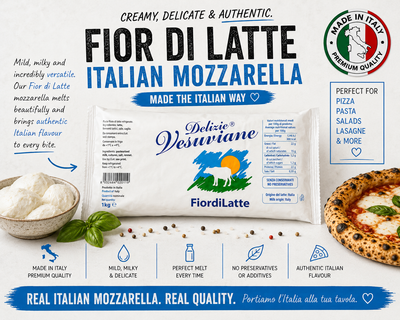 Fior di Latte Mozzarella for Pizza – 1kg
£12.59
-
 Gran Bosco, Smoked Sliced Pepperoni – 1kg
£18
-
 Gran Bosco - Italian Spianata Piccante 250g
£8.10
Handmade in Dorset • Free UK delivery over £50 • Free proofing pot with every dough ball