Prosciutto on Pizza: Easy Recipes and Tips for Home Cooks
Discover how to perfect prosciutto on pizza with easy recipes. Learn tips for crafting delicious slices that elevate your home cooking!
Add prosciutto after baking for silky, melt-in-your-mouth slices, or lay it on before the pizza goes in for crispy, rendered edges. Both methods work. For most home cooks using thin Italian-style prosciutto, adding it after baking is the better call. Your home oven at high temperature on a preheated stone or steel bakes a pizza quickly, which is plenty of time to turn delicate cured ham rubbery. Pull the pizza, scatter torn prosciutto over the hot cheese, and it softens just enough without losing its character.
Table of Contents
- A Simple Prosciutto Pizza Recipe for Your Home Oven or Grill
- Should Prosciutto Go on Before or After Baking?
- How to Prepare Prosciutto for Pizza
- What Toppings and Flavors Pair Best with Prosciutto?
- What Oven Setup Gets the Best Results?
- How to Buy Good Prosciutto in the U.S.
- Food Safety and Storage for Prosciutto Pizza
- Four Prosciutto Pizza Variations Worth Trying
- Key Takeaways
- The Case for Keeping Prosciutto Pizza Simple
- Where to Get Authentic Ingredients for Prosciutto Pizza
- Selected Sources for Further Reading
A Simple Prosciutto Pizza Recipe for Your Home Oven or Grill
Ingredients (makes one 12–14" pizza):
- 1 dough ball (about 250g), stretched thin
- 2 tablespoons extra-virgin olive oil
- 4 oz fresh mozzarella, torn
- 3 oz prosciutto, torn into ribbons
- ½ cup cherry tomatoes, halved (optional)
- 2 tablespoons shaved Parmigiano-Reggiano
- 1 handful arugula
- Balsamic glaze, for finishing
Steps:
- Place a pizza stone or steel on the top rack and preheat your oven to 550°F (or as high as it goes) for at least 45 minutes.
- Stretch your dough on a lightly floured surface and transfer it to a floured peel or parchment paper.
- Brush the base with olive oil. Scatter mozzarella and cherry tomatoes evenly, leaving a 1" border.
- Slide the pizza onto the stone or steel. Bake until the crust is charred in spots and the cheese is bubbling.
- Pull the pizza out. Immediately tear prosciutto into ribbons and lay them over the hot cheese.
- Top with arugula lightly tossed in olive oil and lemon juice, then shave Parmigiano-Reggiano over everything. Finish with a thin drizzle of balsamic glaze.
Sheet-pan method: If you don’t have a stone, oil a heavy sheet pan, preheat it in the oven for 10 minutes, then bake at 500°F for 10–12 minutes. The crust won’t blister the same way, but it’ll still be good.
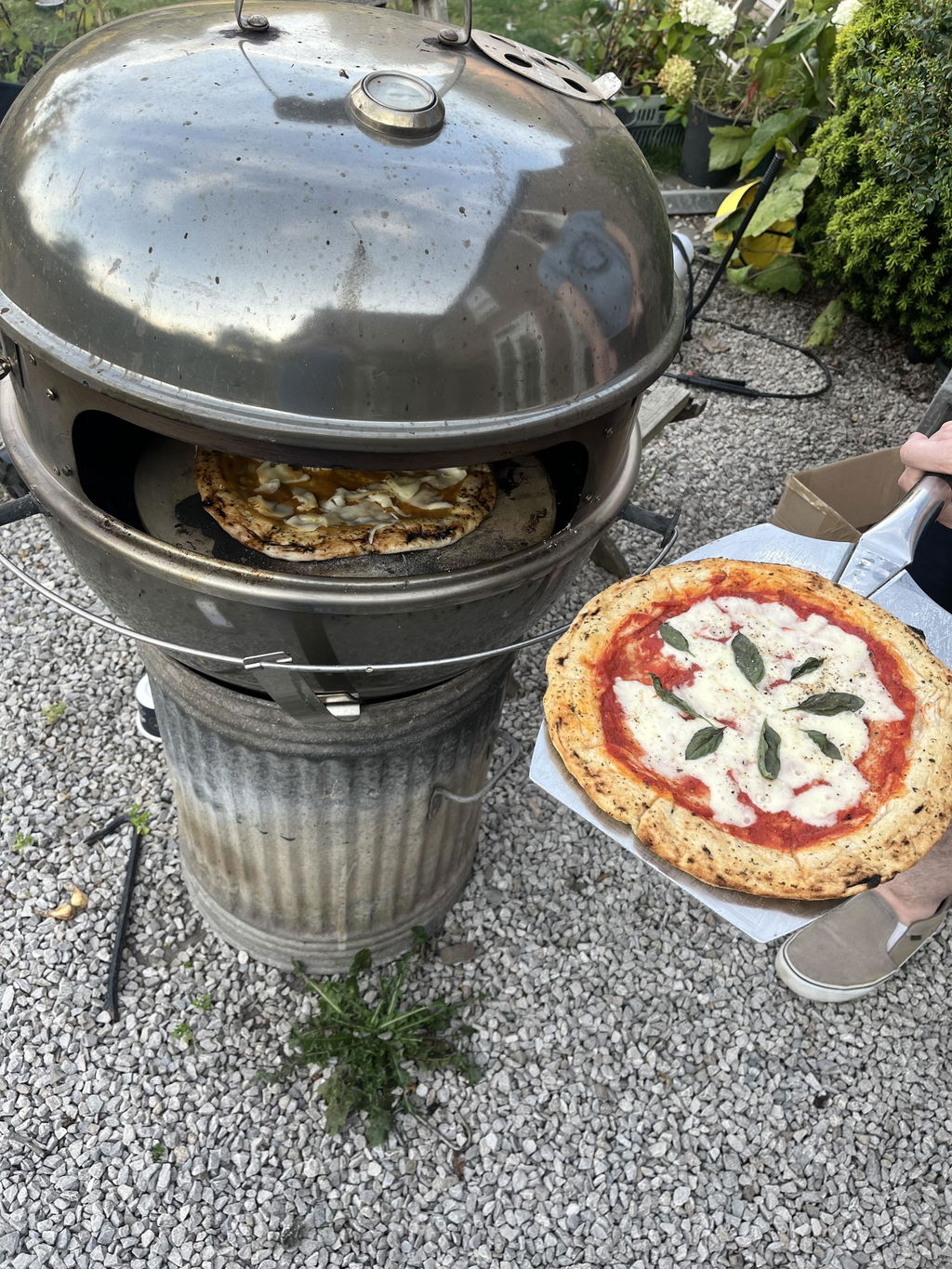
Grill variation: Heat a gas or charcoal grill to high. Slide the stretched dough directly onto the grates for 2–3 minutes until the bottom sets, flip, add toppings quickly, and close the lid for another 2–3 minutes. Add prosciutto and arugula after you pull it off the heat.

Thicker slices: If your prosciutto is cut thicker than paper-thin (common at some supermarket deli counters), bake it on the pizza from the start so it has time to render and firm up.

Should Prosciutto Go on Before or After Baking?
Post-bake is the default for a reason. Thin, dry-cured prosciutto is essentially already cooked through the curing process, so it doesn’t need heat. What it needs is to stay tender. Laid over a hot pizza straight from the oven, it softens slightly from the residual steam and heat, staying silky and almost buttery. Bake it at high temperature for a period long enough and you get something closer to prosciutto jerky.
That said, baking prosciutto on the pizza has its fans. Some home cooks find that whole uncooked slices are awkward to bite through, especially on a thin crust. Baking prosciutto on firms the slices and makes each bite cleaner. It also renders some of the fat into the cheese, which adds richness. Neither approach is wrong.
A hybrid works well too. Add a few slices before baking to get some crispy, caramelized pieces, then scatter fresh torn prosciutto over the top after. You get both textures on one pizza.
Pro Tip: Slice thickness is the deciding factor. Deli-thin prosciutto (almost translucent) belongs post-bake. Thicker supermarket-cut slices benefit from going on before, so the heat has time to work through them.
How to Prepare Prosciutto for Pizza
Prep is quick, but a few details make a real difference in how the pizza eats.
- Tear, don’t lay whole: Tearing prosciutto into smaller pieces distributes the flavor across every slice of pizza and makes it much easier to eat. A whole uncut sheet of prosciutto tends to slide off or pull away in one piece when you bite in.
- Bring it to room temperature: Cold prosciutto straight from the fridge is stiffer and less fragrant. Pull it out 15–20 minutes before you need it. The fat softens, the aroma opens up, and it drapes more naturally over the pizza.
- Don’t overlap too much: Prosciutto is salty and rich. A light, even scatter covers the pizza without making any bite overwhelming.
Prosciutto crudo vs. prosciutto cotto: Prosciutto crudo is the dry-cured, raw-aged product most people picture. It’s what this article is about. Prosciutto cotto is cooked ham, milder and moister. Cotto works fine on pizza but behaves more like regular deli ham. It holds up to baking better and suits heartier, more loaded pies. For a clean, elegant pizza, crudo is the one.
Pro Tip: If you’re buying pre-sliced packs, look for ones where the slices are separated by paper. Prosciutto that’s stuck together in a clump is harder to tear cleanly and often tears unevenly.
What Toppings and Flavors Pair Best with Prosciutto?
Prosciutto is salty, fatty, and delicate. Everything you put with it should either cut through that richness or complement it without piling on more salt.
Arugula is the classic partner. The peppery bitterness cuts straight through prosciutto’s fat, and a little lemon dressing adds the acidity the pizza needs. Scatter it fresh over the hot pizza right before serving.
Fresh mozzarella keeps things mild and creamy, which lets the prosciutto lead. Smoked mozzarella is a good upgrade if you want a little more depth without overpowering the ham.
Parmigiano-Reggiano adds a sharp, nutty counterpoint. Use it shaved rather than grated so it melts unevenly and creates pockets of intense flavor.
Balsamic glaze is the finishing touch that ties everything together. A thin drizzle over the finished pizza gives a salty-sweet balance that makes the whole thing taste more composed. You can buy it or reduce balsamic vinegar in a small saucepan until it coats a spoon.
Figs or pears work beautifully for a sweet-savory angle. Thin slices of fresh fig or pear under the cheese caramelize slightly in the oven and contrast the salt of the prosciutto.
Mascarpone as a base (instead of tomato sauce) creates a rich, creamy white pizza that lets prosciutto shine. Dot it on rather than spreading it wall-to-wall.
Classic combo to try: Stretch your dough, brush with olive oil, add torn fresh mozzarella, and bake. Pull it out, add torn prosciutto, then top with arugula dressed in lemon juice and olive oil. Finish with shaved Parmigiano-Reggiano. That’s it. It works every time.
What Oven Setup Gets the Best Results?
| Setup | Temp | Bake Time | Notes |
|---|---|---|---|
| Home oven + pizza steel | high temp | short bake time | Best home-oven result; preheat steel thoroughly |
| Home oven + pizza stone | high temp | moderate bake time | Good char; preheat thoroughly |
| Home oven + sheet pan | moderate to high temp | longer bake time | Least char; oil pan and preheat before loading |
| Outdoor pizza oven | very high temp | very short bake time | Add prosciutto after; it will burn at this heat |
| Gas/charcoal grill | high temp | short bake time | Flip dough once; add toppings after flip |
Preheat time matters more than most home cooks expect. A stone or steel that hasn’t fully absorbed heat produces a pale, soft crust. Give it a full 45 minutes at max temp. The high-heat bake is also why prosciutto goes on after: at 550°F, thin cured ham will dry and tighten in under 3 minutes.
For outdoor pizza ovens running above 700°F, always add prosciutto post-bake. At that temperature, it’ll scorch before the crust is done.
How to Buy Good Prosciutto in the U.S.
Quality matters more on a prosciutto pizza than on almost any other pie, because the ham is often the only protein and the whole flavor depends on it.
- Look for prosciutto crudo, sliced paper-thin. The label should say “dry-cured” or “aged.” Prosciutto di Parma and Prosciutto di San Daniele are the two most recognized PDO designations. Parma ham is cured with sea salt only and aged at least 12 months, often longer.
- Check the color. Good prosciutto is deep rose-pink with white fat marbling. Pale, grayish, or wet-looking slices are a sign of poor quality or improper storage.
- Ask the deli counter for thin slices. Pre-packaged supermarket prosciutto is often cut thicker than ideal. A good deli will slice it nearly translucent on request.
- Smell it. Fresh prosciutto has a clean, slightly sweet, nutty aroma. Anything sour or off means it’s past its prime.
Speck as an alternative: Speck is a smoked, seasoned cured ham from northern Italy. It’s firmer and more intensely flavored than prosciutto, and it holds up better under high heat, making it a practical choice if you want to bake the ham on the pizza. Pair it with bolder toppings like gorgonzola or caramelized onions. Doughdorks carries Marco d’Oggiono speck if you want to try it alongside a prosciutto pizza.
Food Safety and Storage for Prosciutto Pizza
Prosciutto is a cured product, which means it’s shelf-stable unopened, but once you open the package, the clock starts.
- Keep unopened prosciutto refrigerated and use it by the date on the package.
- Once opened, use thin-sliced prosciutto within 3–5 days. Keep it wrapped tightly in the fridge.
- Discard any prosciutto that smells sour, feels slimy, or has visible discoloration.
- Leftover pizza with prosciutto added after baking should be refrigerated within 2 hours and eaten within 2 days. The prosciutto will lose its texture when reheated, so eat it cold or at room temperature if possible.
- For deeper storage guidance, the USDA Food Safety resources cover cured meats in detail.
Four Prosciutto Pizza Variations Worth Trying
- Fig, prosciutto, gorgonzola, and honey: White base (mascarpone or olive oil), fresh mozzarella, sliced figs under the cheese. Bake, then add torn prosciutto, crumbled gorgonzola, and a drizzle of honey. Sweet, salty, funky.
- Pesto base with prosciutto and arugula: Swap tomato sauce for a generous spread of basil pesto. Add mozzarella and bake. Finish with prosciutto and a handful of arugula. The pesto base adds herbal depth that pairs naturally with the ham.
- White pizza with mascarpone and prosciutto: Dot mascarpone across the stretched dough, add mozzarella, and bake. Pull it out, add prosciutto and a few fresh basil leaves, and finish with a crack of black pepper. Rich and simple.
- Cherry tomato, prosciutto, and basil: Classic tomato base, mozzarella, halved cherry tomatoes baked in. Add prosciutto and fresh basil after. Bright and clean.
Serving tips: Slice prosciutto pizzas into smaller pieces than you normally would. The ham tears unevenly on large slices. For groups, use a 12-pack of dough balls and set up a topping station so everyone builds their own. Pre-cooked bases are a solid shortcut when you want the prosciutto and toppings to shine without the dough work.
Key Takeaways
Thin, high-quality prosciutto added after baking delivers the best texture on pizza, but slice thickness, oven setup, and pairing choices all shape the final result.
| Point | Details |
|---|---|
| Add after baking for silky texture | Thin prosciutto crudo goes on after the pizza comes out of the oven to stay tender and buttery. |
| Bake on for crispiness | Thicker slices or speck can go on before baking to render and firm up for a meatier bite. |
| Tear slices, not whole pieces | Torn prosciutto distributes more evenly and makes each slice of pizza easier to eat. |
| Pair with acid and peppery greens | Arugula with lemon dressing and balsamic glaze cut through prosciutto’s salt and fat. |
| Doughdorks for quality ingredients | Doughdorks supplies 48-hour fermented dough and curated cured meats for authentic results at home. |
The Case for Keeping Prosciutto Pizza Simple
Most home cooks overthink this one. They load the pizza with too many toppings, use prosciutto that’s been sitting in the fridge too long, or skip the preheat and wonder why the crust is pale. The real lesson from every good prosciutto pizza is restraint.
The Italian approach to cured meat on pizza is minimal by design. Four or five ingredients, each one doing a specific job. The prosciutto brings salt and fat. The arugula brings pepper and acid. The cheese brings creaminess. The dough brings structure and char. When you start adding more, you dilute what makes the combination work.
There’s also a tendency to treat prosciutto as an afterthought, something you scatter on at the end without much thought. The better move is to treat it as the centerpiece and build everything else around it. That means buying the best prosciutto you can find, tearing it carefully, and adding it at the right moment. The pizza will taste like it came from somewhere that knows what it’s doing.
Where to Get Authentic Ingredients for Prosciutto Pizza
If the recipe above sounds like what you want to make, the dough is the place to start. Doughdorks makes 48-hour fermented Neapolitan dough balls using Italian 00 flour, fresh yeast, and extra-virgin olive oil. The long fermentation gives the crust the flavor and texture that makes a simple prosciutto pizza actually worth eating. No bread machine, no guesswork, no waiting around for a dough to proof.

Doughdorks also carries a curated range of pizza toppings, including Italian cured meats and cheeses, so you can source the prosciutto, speck, mozzarella, and Parmigiano-Reggiano in one place. If you want to skip the dough step entirely, the pre-cooked Neapolitan bases are ready to top and finish in minutes. Order online and get everything delivered to your door.
Selected Sources for Further Reading
- USDA Food Safety: Ham and Food Safety — The primary U.S. government resource for safe storage and handling of cured and cooked ham products.
- Food Nouveau: Prosciutto and Cherry Tomato Pizza — Detailed technique notes on when to add prosciutto and how slice thickness affects the result.
- The Kitchn: Prosciutto and Arugula Pizza — Reliable home-oven baking guidance with temperature and time specifics for a stone or steel.
- Tasting Table: Speck vs. Prosciutto — Clear breakdown of how speck and prosciutto differ in flavor, texture, and heat tolerance.
- Tuscania Food & Wine: Italian antipasti and cured meat pairings — Useful context on how Italian cured meats like prosciutto fit into broader antipasti and pairing traditions.
Recommended
- make my pizza in 3 easy steps | Dough Dorks
- Apple Pay
- Authentic Neapolitan Pizza Dough Balls - Ready Made Box of 8
- 10 Home Pizza Oven Accessories That Matter - Dough Dorks
PIZZA NIGHT, SORTED
Build the pizza with proper Italian ingredients
Shop Italian toppings, then add 48-hour fermented dough balls from Dorset for a complete pizza night.
-
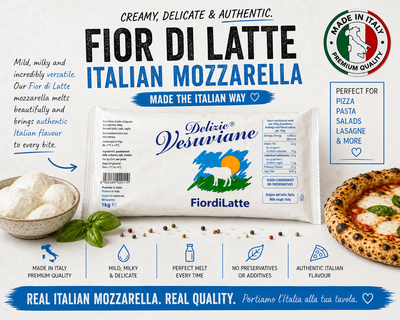 Fior di Latte Mozzarella for Pizza – 1kg
£12.59
Fior di Latte Mozzarella for Pizza – 1kg
£12.59
-
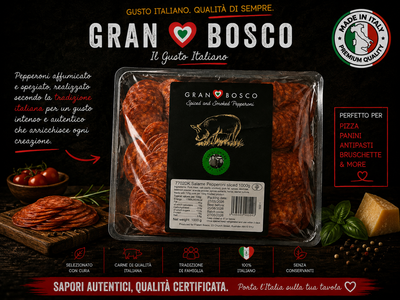 Gran Bosco, Smoked Sliced Pepperoni – 1kg
£18
Gran Bosco, Smoked Sliced Pepperoni – 1kg
£18
-
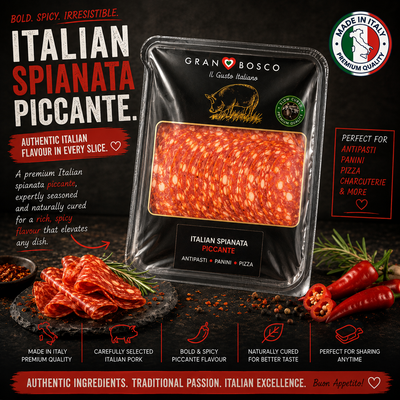 Gran Bosco - Italian Spianata Piccante 250g
£8.10
Gran Bosco - Italian Spianata Piccante 250g
£8.10
Handmade in Dorset • Free UK delivery over £50 • Free proofing pot with every dough ball