1–3% Olive Oil in Pizza Dough for Home Cooks: Add It After Hydration
Practical advice for home cooks: use 1–3% olive oil by flour weight, add it after hydration to protect gluten, and try two copyable recipes with tested...
Yes, in most styles. Olive oil softens the crumb, makes dough easier to stretch, and gives you a more tender bite, though it trims your oven spring a little. Skip it entirely for a strict Neapolitan pie.
TL;DR:
- Using 1 to 3% olive oil by weight of flour optimizes dough extensibility and tenderness without significantly reducing oven spring.
- Adding oil after water absorption and gluten formation preserves dough structure, especially when using high-hydration or stand mixer methods.
- For flavor and browning, a refined or neutral oil can replace extra virgin olive oil in the dough, reserving EVOO for finishing and aroma.
- Traditional Neapolitan recipes avoid adding oil to dough, prioritizing short, high-temperature baking for a tender yet blistered crust.
- Olive oil’s main impact is on dough softness and handling, not fermentation or rise, with significant effects seen in crumb texture and crust moisture retention.
Table of Contents
- How Olive Oil Changes Dough Structure, Texture, and the Baked Crust
- How Much Olive Oil Should You Add to Pizza Dough?
- When Should You Add Oil During Mixing?
- Which Olive Oil Should You Use in Pizza Dough?
- Two Copyable Olive Oil Pizza Dough Recipes
- Should You Brush Olive Oil on Pizza Before or After Baking?
- Dough Dorks’ Guidance on Olive Oil Ratios and Timing
- Does Olive Oil Affect Fermentation and Yeast Activity?
- What Are the Nutritional Effects of Adding Olive Oil to Pizza Dough?
- Why Do Regional Pizza Recipes Treat Olive Oil Differently?
- How Does Olive Oil Compare to Butter and Vegetable Oil in Pizza Dough?
- Author Perspective: The Go-To Default and One Exception
- Try Dough Dorks’ Ready-Made Dough Balls to Test These Ratios Yourself
- Sources
How Olive Oil Changes Dough Structure, Texture, and the Baked Crust
Oil works its way between flour particles and gluten strands, essentially lubricating them. That lubrication is what makes oiled dough stretch farther before it tears, a property bakers call extensibility. It’s the same reason focaccia dough feels so different in your hands than a lean baguette dough does.
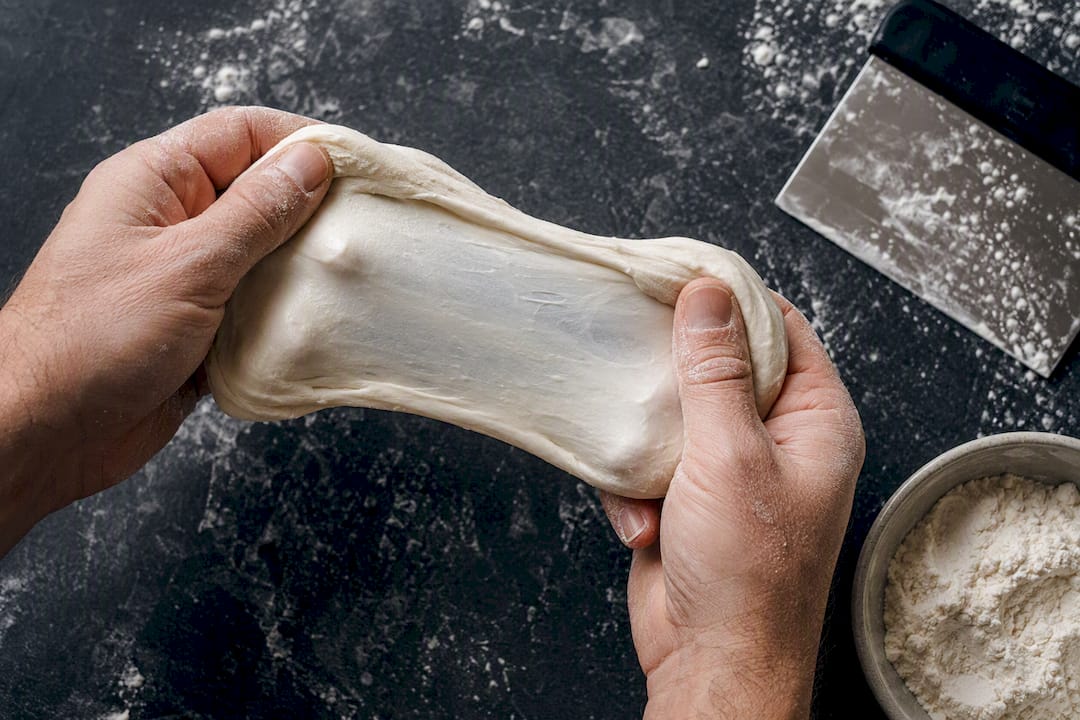
The trade-off shows up at the oven door. Fat coats flour and gluten, increasing extensibility and tenderness, and small amounts, typically 1 to 3% of flour weight, soften the crumb noticeably without weighing it down. But because olive oil is liquid at room temperature, it can’t reinforce gas bubbles the way a solid fat like butter can, so it doesn’t help your dough climb as high in the oven.
Here’s what that trade-off actually feels like on your plate:
- Tenderness: crumb pulls apart softer, less resistance per bite
- Chewiness: reduced, since gluten strands slide rather than lock together
- Moisture retention: crust stays softer longer after baking
- Browning: oil promotes a richer, more even golden color on the surface
Olive oil also lubricates gluten strands directly, which is why oiled dough produces a distinctly more tender crust than an oil-free version baked side by side.
How Much Olive Oil Should You Add to Pizza Dough?
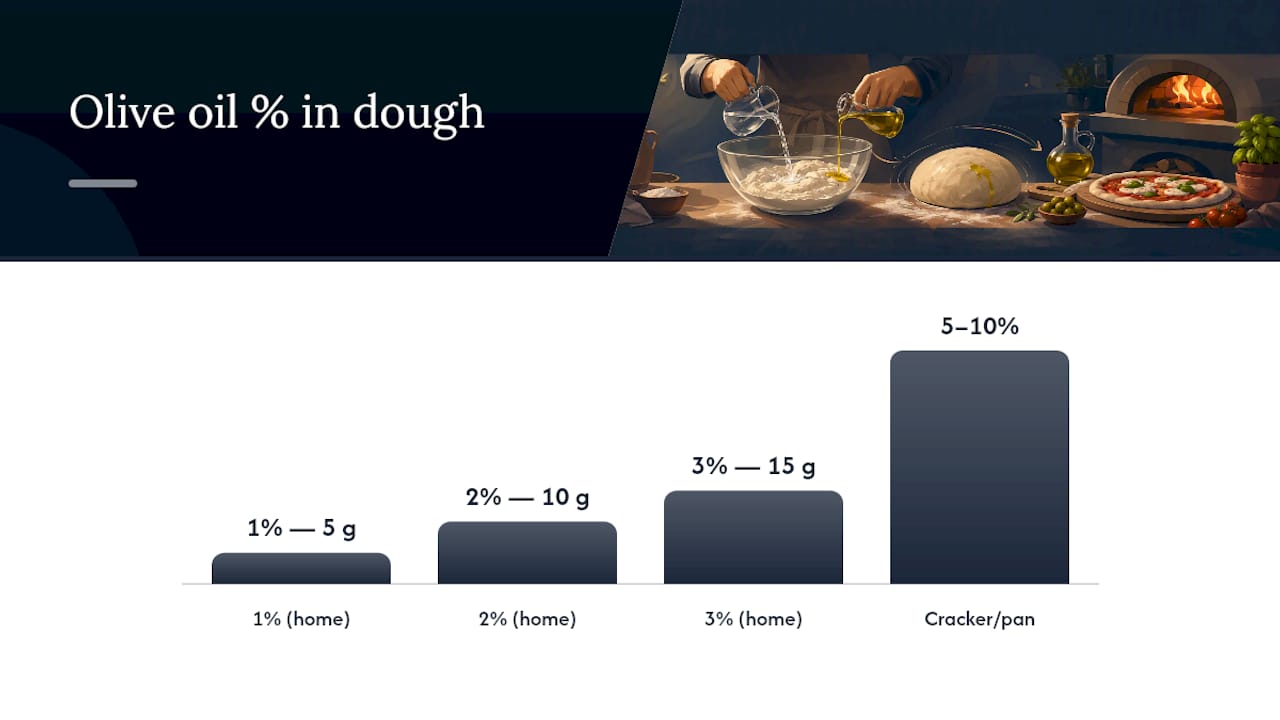
Baker’s percentages give you the most reliable way to scale this. For most home pizza styles, 1 to 3% of flour weight is the sweet spot. Push toward 5 to 10% and you’re in cracker-crust or pan-pizza territory, where a shorter, crumblier texture is the goal rather than a chewy, airy one.
Some bakers use a guideline based on oil quantity relative to water volume, though this varies depending on your flour and hydration level, so treat it as a starting point rather than a rule.
Here’s how that translates into your kitchen:
- 1% oil on 500 g flour = 5 g, about 1 teaspoon
- 2% oil on 500 g flour = 10 g, about 2 teaspoons
- 3% oil on 500 g flour = 15 g, about 1 tablespoon
Popular home recipes back this up. Standard pizza crust recipes commonly call for 1 to 2 tablespoons of olive oil on a typical batch of dough, which lands right in that 1 to 3% window for most flour quantities.
When Should You Add Oil During Mixing?
Timing matters more than most home cooks realize. Add oil too early and it coats the flour before water can hydrate it properly, which slows gluten formation and can leave your dough slack and hard to shape.
- Mix flour, water, and yeast first, and let the flour fully absorb the water, roughly 1 to 3 minutes of mixing or kneading.
- Once the dough looks shaggy and cohesive, drizzle in the olive oil.
- Continue kneading until the oil is fully incorporated and the dough turns smooth and elastic.
Adding liquid oil after the flour has absorbed the water protects gluten development, whether you’re working by hand or in a stand mixer. Hand-kneaders should wait for the shaggy stage; stand mixer users can add oil after a few turns on low speed once the dough starts pulling together. For high-hydration doughs above 70%, add the oil a little later still, since the extra water needs more time to hydrate the flour before any fat gets introduced.
Pro Tip: Lightly oil your hands and the bowl before the final ball rests. It keeps the surface from drying out and makes shaping the next day noticeably easier.
Which Olive Oil Should You Use in Pizza Dough?
Extra virgin olive oil (EVOO) brings genuine fruity, peppery character, but that character takes a hit in the oven. Many of EVOO’s volatile flavor compounds break down under heat, which means the aroma you taste raw largely disappears by the time the pizza comes out. That’s the real argument for saving your best EVOO for finishing rather than mixing it into the dough itself.
- In the dough: a mid-grade or refined olive oil does the job just as well structurally and costs less
- Finishing drizzle: use your best EVOO here, where the aromatics actually reach your nose and tongue
- Neutral oils: fine as a substitute in-dough if you want a cleaner, less olive-forward flavor
- Smoke point note: EVOO’s lower smoke point matters far more for high-heat frying than for a pizza bake, so it’s not a safety concern in dough
Two Copyable Olive Oil Pizza Dough Recipes
Test the difference yourself with these two formulas, one lean and one enriched.
- 500 g Italian 00 flour
- 325 g water (65% hydration)
- 10 g salt
- 3 g instant yeast
- 5 g olive oil (1%)
Mix flour, water, and yeast, rest 5 minutes, then knead in salt and oil. Ferment 24 to 48 hours in the fridge, ball, and bring to room temperature before shaping.
- 500 g bread flour
- 325 g water
- 10 g salt
- 5 g instant yeast
- 15 g olive oil (3%)
Same method, but knead the oil in fully until the dough turns glossy and elastic. This one shapes easier and browns a shade darker.
- Bake both at 475 to 500°F (245 to 260°C) on a preheated stone or steel.
- Give Recipe A 8 to 10 minutes; Recipe B may need an extra minute or two due to the higher oil content.
- Scale both formulas by keeping percentages fixed if you’re feeding a crowd.
Should You Brush Olive Oil on Pizza Before or After Baking?
A thin brush of oil on the dough before sauce creates a barrier that keeps moisture from soaking straight into the crumb. That’s your best defense against the dreaded soggy middle, especially with wetter sauces or juicy toppings.
- Brush a light, even layer of oil across the dough before adding sauce
- Save a second drizzle of good EVOO for right after baking, when its aroma survives intact
- Avoid pooling oil in the center, which can actually promote sogginess instead of preventing it
- Run a quick test: par-bake a small dough sample, sauce it, and check how the crumb holds up under your specific oven conditions
Pro Tip: If your finished pizza still tastes soggy in the middle, the fix usually isn’t more oil. It’s less sauce or a slightly longer bake.
Dough Dorks’ Guidance on Olive Oil Ratios and Timing
Dough Dorks tests these same principles in its own kitchen guidance, and the conclusions line up with what serious dough hands already know: oil softens, it doesn’t lift. The brand’s advice on timing and oil ratios walks through exactly when to introduce oil during mixing to protect gluten development, and its notes on why dough turns chewy explain the flip side of what happens when you leave oil out entirely.
- The 48-hour fermented dough balls are made with extra virgin olive oil worked in during the original mix
- The brand’s olive oil guide covers quantities and oil types for readers building their own dough from scratch
- These proof points reflect ingredient choices in Dough Dorks’ own products, not third-party lab testing
Does Olive Oil Affect Fermentation and Yeast Activity?
Olive oil doesn’t feed or starve yeast the way sugar or salt does. Yeast metabolizes starches and sugars in the flour, and oil sits largely outside that process. What it does affect is the dough’s physical environment during fermentation, and that’s where things get interesting for anyone tracking rise times.
A thin film of oil coating the gluten network can slightly slow the rate at which carbon dioxide bubbles expand and merge, since oil-lubricated strands stretch more readily instead of trapping gas under tension. In practice, this usually means a slightly slacker rise profile rather than a faster or slower fermentation timeline. Your yeast is still working at roughly the same pace; the dough just behaves differently as it expands around the gas it produces.
This matters most in long, cold fermentations, the kind used for 24 to 48 hour dough. Over that stretch, the enzymes in flour break down starches into sugars the yeast can use, and oil doesn’t interfere with that chemistry in any meaningful way. Where you’ll notice oil’s presence is in how the dough handles after fermentation. It’s typically softer, easier to stretch, and less likely to spring back aggressively during shaping, which some home cooks mistake for under-fermentation when it’s really just the oil doing its job.
If you’re chasing a big, airy oven spring with visible leoparding on the crust, an oil-free or very low-oil dough will get you there more reliably. If you’re after ease of handling and a forgiving stretch, a small percentage of oil works with your fermentation schedule rather than against it.
What Are the Nutritional Effects of Adding Olive Oil to Pizza Dough?
A tablespoon of olive oil, roughly 15 grams, adds about 120 calories and 14 grams of fat, almost entirely the monounsaturated kind associated with olive oil’s reputation as a heart-healthy fat. Spread across an entire pizza dough batch that yields two or three pies, that addition works out to a modest amount per slice, not a dramatic shift in the nutritional profile of your meal.
What oil does change is satiety and mouthfeel. Fat slows digestion slightly, which is part of why an oiled crust can feel more satisfying per bite than a lean, oil-free one. It also carries fat-soluble flavor compounds, meaning any herbs or seasonings in your dough or on your crust come through a bit more vividly when there’s oil to carry them.
If you’re baking for someone with dietary restrictions around fat intake, dropping the oil entirely is a straightforward substitution that doesn’t require reformulating anything else in the recipe. The dough will simply be a touch chewier and less tender, without changing your leavening or hydration.
Olive oil’s monounsaturated fat content also holds up better than many alternatives under moderate baking heat, which is one more reason it’s a common choice in dough formulas that call for any fat at all.
Why Do Regional Pizza Recipes Treat Olive Oil Differently?
Olive oil’s place in pizza dough traces back to where olive trees grow. Southern Italian doughs, especially those from Naples, historically kept recipes lean: flour, water, salt, and yeast, with oil reserved for drizzling over the finished pie rather than mixed into the dough itself. That’s still the backbone of authentic Neapolitan dough today, and it’s a direct result of a baking tradition built around very high heat and very short bake times, where oven spring and char matter more than a soft, enriched crumb.
Move north and west and the story changes. Roman-style pizza al taglio and many Sicilian doughs use noticeably more oil, both in the dough and generously in the pan, producing a lighter, almost fried-edge texture that owes its character directly to fat content. American regional styles borrowed and adapted this logic. New York style typically includes a modest amount of oil for foldability and shine, while Chicago deep-dish and Detroit-style pizzas lean into oil and butter combinations for their signature richness and crisp, laminated bottoms.
None of these traditions arrived at their oil content by accident. Each region built its dough around the ovens, ingredients, and eating habits available to it, and olive oil’s role shifted depending on whether the goal was a blistered, high-spring crust or a tender, pan-baked one. Understanding that history is useful for more than trivia. It tells you which tradition your favorite style actually descends from, and which oil approach will get you closer to it.
How Does Olive Oil Compare to Butter and Vegetable Oil in Pizza Dough?
Butter behaves fundamentally differently from olive oil because it’s solid at room temperature. Solid fats provide crystalline structure that helps trap gas bubbles, giving butter-enriched dough a flakier, more layered texture, closer to a pastry crumb than a chewy pizza crust. If you want richness without sacrificing rise the way liquid oil can, substituting an equal percentage of room-temperature butter is a workable swap, though it changes the flavor profile toward buttery rather than fruity.
Vegetable and other neutral oils, by contrast, behave almost identically to olive oil structurally, since they’re both liquid fats at room temperature. The difference is entirely about flavor. Neutral oils add tenderness and extensibility without contributing any taste of their own, which makes them a reasonable substitute in the dough itself if you’d rather reserve your olive oil for finishing.
Lard sits somewhere in between: solid like butter, so it offers some structural support for rise, but with a more neutral flavor that shows up in traditional pan-pizza and some deep-dish recipes. None of these fats is objectively better across the board. The right choice depends entirely on whether you’re chasing oven spring, richness, or a specific regional flavor profile, and olive oil remains the most versatile option for home cooks who want tenderness without committing to a heavier, richer crust.
Author Perspective: The Go-To Default and One Exception
It’s enough to soften the crumb and make shaping forgiving, without dulling the char or spring I want on a home oven setup. The one place I skip it entirely is a true Neapolitan attempt, where a lean dough and blistering heat matter more than tenderness.
— Michael
Try Dough Dorks’ Ready-Made Dough Balls to Test These Ratios Yourself
Skip the measuring and mixing altogether if you’d rather taste the results first. Dough Dorks makes 48-hour fermented dough balls using Italian 00 flour and extra virgin olive oil worked in at the ratios discussed throughout this guide, so you get the tenderness and handling benefits without weighing anything out.

The Italian Herb Neapolitan Pizza Dough Balls arrive ready to stretch, letting you compare a properly balanced, oil-enriched dough against your own kitchen experiments side by side. If you want a walkthrough for shaping and baking once your dough arrives, the three-step pizza guide covers the process from ball to finished pie. Order a batch and see how the texture holds up against whatever ratio you’ve been using at home.
Sources
Recommended
- Olive Oil for Pizza: How to Use the Right Oil
- Neapolitan Pizza Dough: Authentic Recipe for Home Ovens
- How to Par Bake Pizza Dough for a Crispier Crust
PIZZA NIGHT, SORTED
Build the pizza with proper Italian ingredients
Shop Italian toppings, then add 48-hour fermented dough balls from Dorset for a complete pizza night.
-
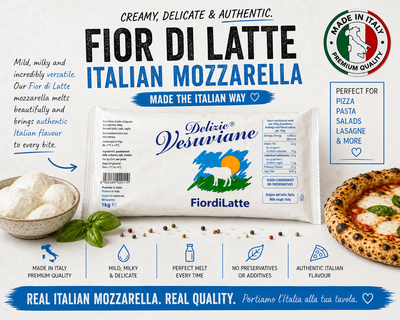 Fior di Latte Mozzarella for Pizza – 1kg
£12.59
Fior di Latte Mozzarella for Pizza – 1kg
£12.59
-
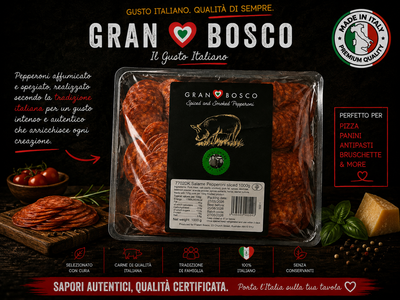 Gran Bosco, Smoked Sliced Pepperoni – 1kg
£18
Gran Bosco, Smoked Sliced Pepperoni – 1kg
£18
-
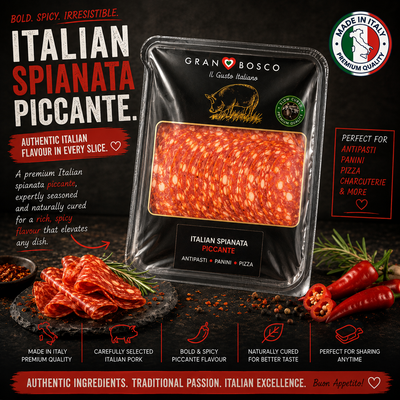 Gran Bosco - Italian Spianata Piccante 250g
£8.10
Gran Bosco - Italian Spianata Piccante 250g
£8.10
Handmade in Dorset • Free UK delivery over £50 • Free proofing pot with every dough ball