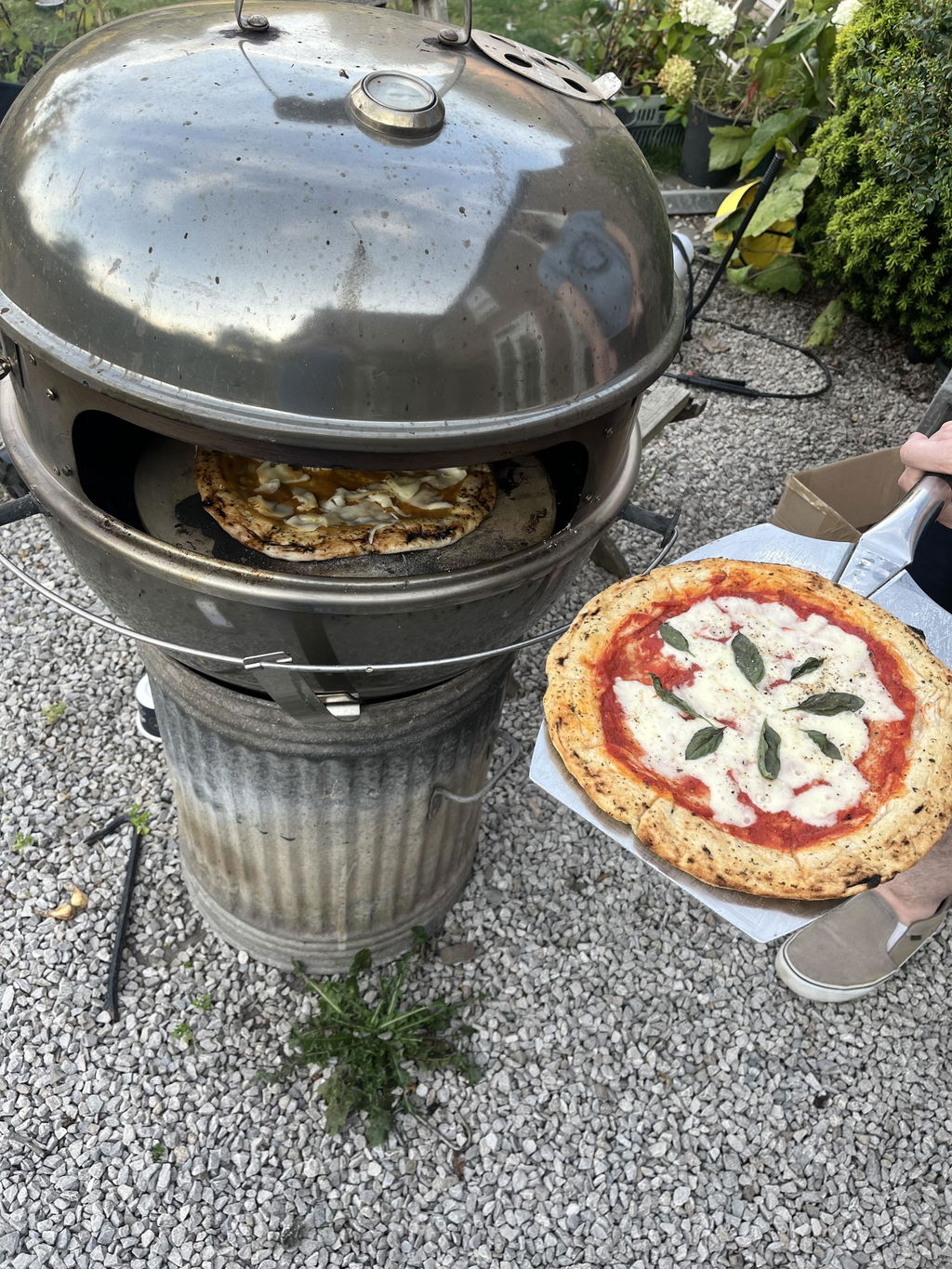
Olive Oil for Pizza: How to Use the Right Oil
Unlock the secrets of using olive oil for pizza! Learn how to enhance your dough and add rich flavor with the right oils.
Use inexpensive refined olive oil in your dough and for pre-bake brushing. Save a high-quality extra virgin olive oil (EVOO) for a light drizzle the moment the pizza comes out of the oven. That single rule covers about 90% of home pizza situations, and it’s the same logic Neapolitan pizzaiolos follow.
A few quick anchors before we go deeper:
- In the dough: any neutral or refined olive oil works; 1–3% of flour weight is the standard range.
- Pre-bake brushing: a light coat on the crust edge helps browning; use an economical oil here.
- Post-bake finishing: this is where a good EVOO earns its price. Heat destroys the volatile aromatics and phenolic compounds that make premium oil worth buying.
- Neapolitan TSG note: the Neapolitan Pizza TSG regulation mandates extra virgin olive oil as the topping ingredient for traditional Marinara-style production, specifically as a finishing element.
- Doughdorks ferments its dough balls for 48 hours with EVOO already in the mix, so the dough stage is handled. Your job is the finish.
Table of Contents
- How and when to use olive oil on pizza
- Which olive oil grade and flavor profile to use where
- How much olive oil to use: exact amounts for dough and drizzles
- Quick garlic olive oil sauce for white pizza
- Practical baking tips to avoid sogginess and get the crust right
- Pairing oil flavor with toppings: which oil suits which pizza
- Do Italians put olive oil on pizza? What tradition says
- What the research says about finishing EVOO and oxidation
- Key Takeaways
- The finishing drizzle is the move most home cooks skip
- Get the dough right before you worry about the oil
- Useful sources and further reading
How and when to use olive oil on pizza
The timing of oil application changes the result more than the oil brand does.
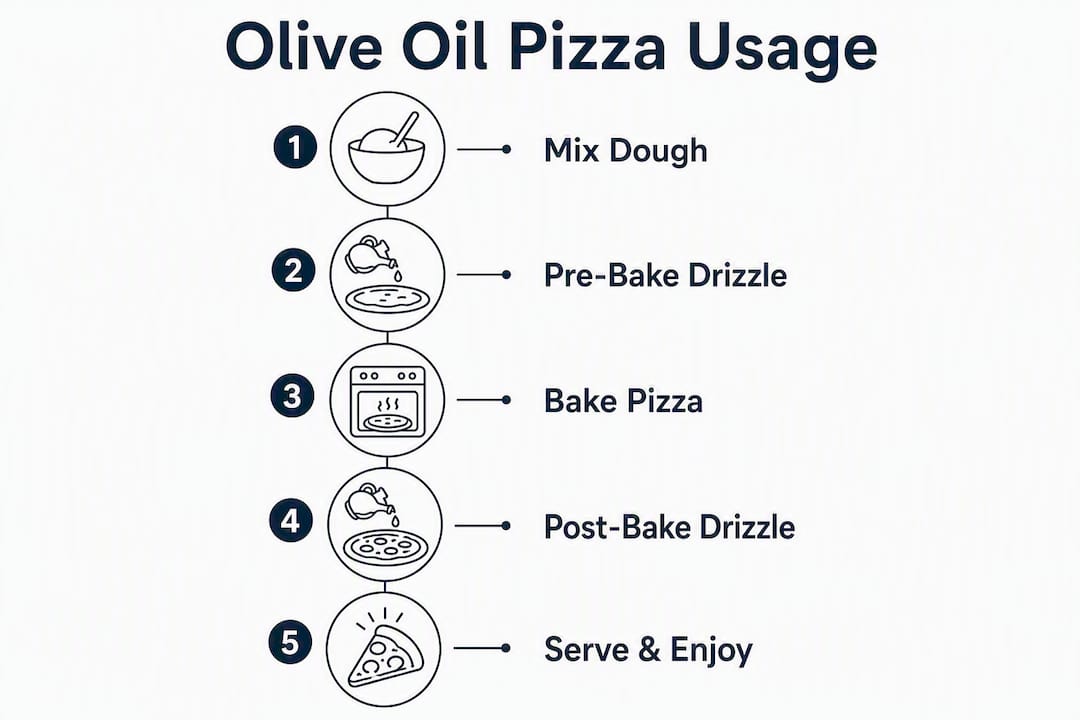
Oil in the dough
Olive oil in dough improves tenderness and gives the crumb a slightly richer bite. It coats gluten strands and gas bubbles with a thin film, which softens the final texture. The tradeoff: oil slightly reduces oven spring compared to solid fats, so Neapolitan-style doughs stay lean (1–2%) while New York-style doughs push toward 2–3%.
Add the oil at the end of the mixing process. Adding fat too early coats the flour particles before gluten develops, which limits hydration and weakens structure.
- Standard baker’s percentage: 1–3% of flour weight
- Tony Gemignani’s master dough uses approximately 1.1% — enough for tenderness without compromising chew
- Pan and Detroit-style doughs often go higher (up to 3%) because a richer, more tender crumb is the goal
Pre-bake brushing
A light brush of oil on the crust edge before baking helps it brown and adds a slight crunch. It also helps toppings like tomatoes release lycopene more readily during cooking. Use an economical refined or “pure” olive oil here.
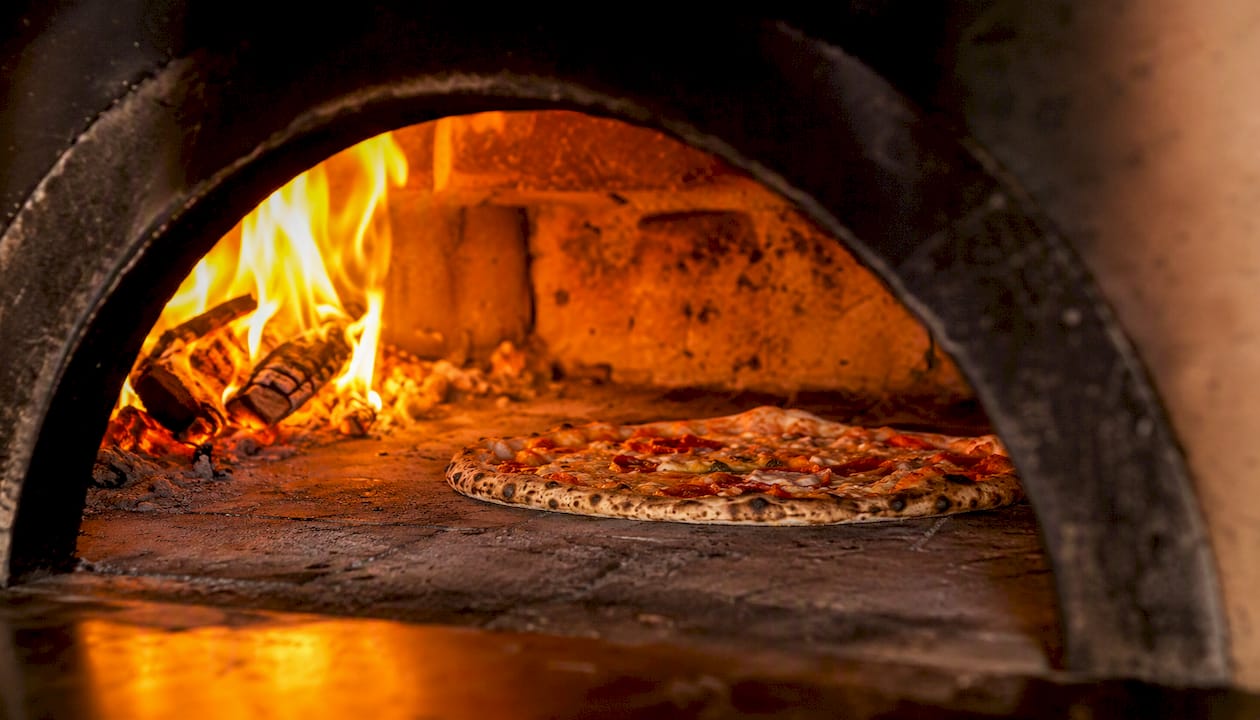
- When to skip it: long, high-heat Neapolitan bakes (60–90 seconds in a wood-fired oven) can char an oiled crust edge faster than you want.
- When it helps: home-oven bakes at 500–550°F on a steel or stone, where the extra browning boost is welcome.
Post-bake finishing
This is the application that actually showcases your oil. Research shows roughly a 30% loss of phenolic compounds during a 90-second Neapolitan bake, and home-oven bakes at 7–8 minutes destroy even more of the volatile aromatics. Pouring your best EVOO over a hot, just-baked pizza lets the heat bloom the aroma without cooking it away.
The double-drizzle method used by Neapolitan pizzaiolos like Salvatore Salvo of Pizzeria Salvo in Naples: a small pre-bake drizzle of a balanced blend to help ingredients marry, then a second, higher-quality EVOO immediately post-bake to deliver aroma and phenolics.
Which olive oil grade and flavor profile to use where
Not all olive oil is the same product, and the differences matter depending on where in the process you’re using it.
Grade guidance
Refined or “pure” olive oil (sometimes labeled “light” or “classic”) has a neutral flavor and a higher smoke point. It’s the right choice for dough and pre-bake brushing because the heat and mixing process would erase any premium aroma anyway. Spending more here doesn’t improve the pizza.
Extra virgin olive oil (EVOO) is cold-pressed and unrefined, which means it retains its phenolic compounds, volatile aromatics, and cultivar-specific flavor. This is your finishing oil. Using it in dough or as a pre-bake brush in a long home-oven bake is a waste of money, because extended heat erases the sensory difference between premium EVOO and cheap pure olive oil.
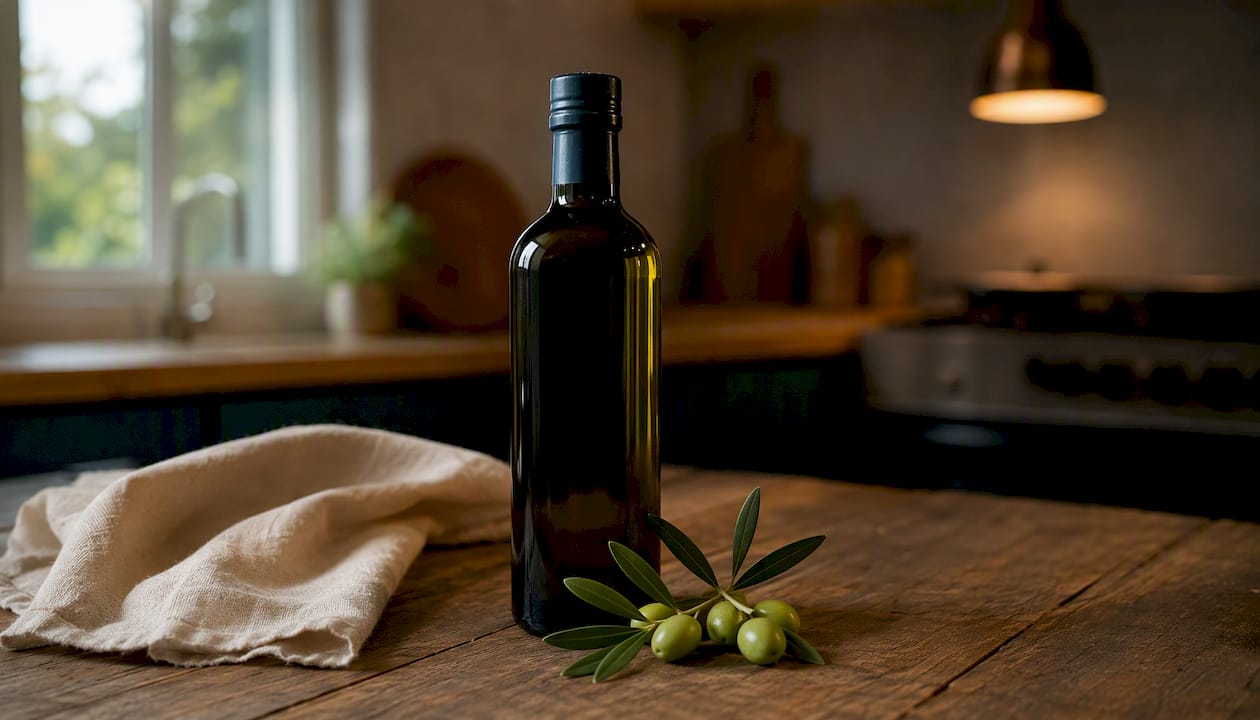
Monovarietal EVOO is made from a single olive cultivar rather than a blend. Cultivars like Ottobratica show superior oxidation stability and retain more bioactive compounds during baking than blended oils. For finishing, a monovarietal gives you a cleaner, more defined flavor profile.
Infused or flavored pizza oils (garlic, herb, chili) are a separate category. They deliver consistent, predictable flavor and work well for everyday home use. They’re not a substitute for a single-origin finishing EVOO when you want authentic aroma and phenolic benefits.
Flavor guidance
- Delicate/fruity oils: best for fresh tomato, basil, and mild cheeses. Won’t compete with the toppings.
- Medium oils: the everyday workhorse. Good for Margherita-style pies and most standard combinations.
- Robust/peppery oils: pair with aged cheeses, cured meats, and anchovy-forward pizzas. Use a lighter hand; these oils can dominate.
Freshness and storage
Look for a harvest date on the label, not just a best-by date. A best-by date can be set two years out from bottling, which tells you nothing about freshness. Target oils within 12–18 months of harvest. Dark glass bottles or tins protect against light degradation. Store away from the stove.
Pro Tip: When buying a finishing oil in a store, look for the words “harvest date” on the label and check for a fruity, medium-peppery aroma when you open it. If it smells flat or waxy, it’s past its prime regardless of the best-by date.
How much olive oil to use: exact amounts for dough and drizzles
Concrete numbers make the difference between a well-balanced pizza and a greasy one.
Dough amounts
| Oil % (baker’s) | Effect on dough |
|---|---|
| 1% | Minimal tenderness; closer to a lean Neapolitan style |
| 1.1% (Gemignani) | Slight richness; good chew; standard artisan approach |
| 2% | Noticeably softer crumb; works well for New York-style |
| 3% | Tender, richer bite; suited to pan or Detroit-style |
For a standard 500g flour batch, 1% equals 5g of oil (about 1 teaspoon). Scale linearly from there.
Pre-bake brushing amounts
- Dip a pastry brush lightly in oil.
- Apply to the outer crust edge only (roughly 1 inch wide) on a 12-inch pizza.
- Use about 3–4g (less than 1 teaspoon) total. More than that and the edge can go greasy rather than crisp.
- For whole-surface brushing on a white pizza base, stay under 8g to avoid sogginess.
Post-bake finishing amounts
According to the double-drizzle technique used by Salvatore Salvo: a pre-bake drizzle of 4–5g from a balanced blend, then a post-bake drizzle of 5–6g from a selected monovarietal or high-quality EVOO. A Marinara, which is oil-forward by design, can take 10–12g total across both applications.
For most home-oven pizzas: 4–6g (roughly 1 teaspoon) of finishing EVOO post-bake is the right range. White pizzas and Marinara-style pies can handle a heavier hand.
Quick garlic olive oil sauce for white pizza
This sauce takes about five minutes and works on any white pizza, from a simple mozzarella base to a quattro formaggi. Use a good EVOO here since the sauce is barely cooked.
Ingredients (for 2–4 servings, enough for two 12-inch pizzas):
- 4 tablespoons extra virgin olive oil (finishing-grade)
- 3 cloves garlic, finely minced or grated
- ¼ teaspoon fine sea salt
- ¼ teaspoon red pepper flakes
- ½ teaspoon dried oregano
Method:
- Warm the olive oil in a small pan over low heat. Add the garlic and cook for 60–90 seconds until fragrant but not browned. Remove from heat immediately.
- Stir in salt, red pepper flakes, and oregano. Let it cool for two minutes.
- Spread a thin, even layer over your stretched dough base, leaving a ½-inch border for the crust.
- Add toppings (mozzarella, ricotta, or your choice of cheese).
- Bake at 500–550°F on a preheated steel or stone for 7–8 minutes, or 60–90 seconds in a wood-fired oven.
- Immediately after pulling the pizza, add a final drizzle of fresh EVOO over the top.
Pro Tip: Swap the dried oregano for fresh thyme or rosemary, or add a pinch of chili flakes for more heat. Add fresh herbs after baking, not before, so they don’t burn.
- For a wood-fired oven, skip the pre-bake garlic sauce and brush the base with raw garlic oil instead — the shorter bake time won’t cook the garlic through if the sauce is too thick.
- The sauce keeps in the fridge for up to three days; the garlic flavor intensifies overnight.
Practical baking tips to avoid sogginess and get the crust right
Oil and moisture are the two main causes of a soggy pizza base. Managing both is straightforward once you know the sequence.
- Apply oil to the crust edge, not over the sauce. Pooling oil on top of a wet tomato sauce creates a moisture trap under the cheese.
- Use a brush or squeeze bottle for control. A spoon pours too much in one spot. A pastry brush gives an even, thin coat; a squeeze bottle with a fine tip is ideal for post-bake finishing drizzles.
- Keep sauce quantity in check. For a 12-inch pizza, 3–4 tablespoons of sauce is enough. More sauce means more steam, which softens the base regardless of how you use the oil.
- Preheat your steel or stone for at least 45 minutes at maximum oven temperature (500–550°F). A cold surface is the most common cause of a soft, undercooked base.
- For wood-fired or portable ovens (Ooni, Gozney, etc.) that hit 800–900°F: the bake is so short that a pre-bake oil drizzle has minimal time to cook off. A small swirl of balanced oil before launch, then a finishing EVOO immediately after, works well here.
Pro Tip: Add fresh basil, arugula, and your finishing EVOO after the pizza comes out of the oven, not before. Basil blackens in 60 seconds at 500°F, and the oil’s aroma is gone before you even cut the pizza.
Pairing oil flavor with toppings: which oil suits which pizza
The goal is balance. Oil should lift the toppings, not compete with them.
Delicate and fruity oils work best with:
- Fresh tomato and basil (Margherita)
- Mild mozzarella or burrata
- Zucchini, artichoke, or light vegetable toppings
- Any pizza where the cheese is the star
Robust, peppery oils work best with:
- Aged cheeses (Pecorino, Parmigiano-Reggiano, aged provolone)
- Cured meats: prosciutto, salami, 'nduja
- Anchovy-forward pizzas (Marinara, Puttanesca-style)
- Quattro formaggi, where the cheese blend is already intense
Pizzerias curate specific cultivars for each pizza style. A Margherita gets a delicate, fruity oil; a Marinara gets a more assertive one. At home, keeping two finishing oils — one mild, one robust — covers every situation. A single medium-intensity EVOO is a reasonable compromise if you only want one bottle.
For prosciutto and cured-meat pizzas, a peppery Sicilian or Calabrian EVOO adds a savory counterpoint that a mild oil can’t deliver. The fat in the prosciutto and the bitterness in the oil balance each other.
Do Italians put olive oil on pizza? What tradition says
Yes, and they’re specific about it. Olive oil as a finishing element is standard practice in Italian pizzerias, not an optional garnish.
“Olive oil is an important element, one that completes the pizza. The choice of oil is as important as the choice of tomato or cheese.” — Salvatore Salvo, Pizzeria Salvo, Naples, via Olive Oil Times
The Neapolitan Pizza TSG regulation goes further: it mandates that extra virgin olive oil be used exclusively as the topping ingredient for traditional Marinara-style production. The regulation exists precisely because cheaper oils were being substituted, and the sensory and chemical differences are measurable.
The traditional Neapolitan approach uses the double-drizzle method: a small amount of a balanced oil before the pizza goes in the oven, then a higher-quality EVOO the moment it comes out. For home ovens, the post-bake drizzle is the more important of the two, because the longer bake time destroys most of what you’d taste from a pre-bake application.
What the research says about finishing EVOO and oxidation
The case for post-bake finishing isn’t just tradition. It’s chemistry.
A peer-reviewed study published in Foods found that monovarietal EVOOs like Ottobratica show superior oxidation stability and retain more bioactive compounds during baking than blended oils. The cultivar you choose for finishing genuinely changes the chemical profile of what ends up on your pizza.
Phenolic compounds in EVOO — the compounds responsible for bitterness, pungency, and many of the health-associated properties — are volatile under sustained heat. A 90-second Neapolitan bake causes roughly a 30% loss; a 7–8 minute home-oven bake causes significantly more.
The practical implication is direct: if you pour a premium monovarietal EVOO over raw dough and bake it for eight minutes at 550°F, you’re paying for compounds that won’t survive the oven. The same oil poured over a finished pizza delivers its full aromatic and phenolic profile to your palate.
This is also why the health benefits of olive oil on pizza are most pronounced when the oil is used as a finishing element rather than a cooking medium. The polyphenols that research associates with cardiovascular and anti-inflammatory effects are the same ones that heat degrades.
Key Takeaways
Finishing EVOO post-bake preserves the phenolics and aromatics that make premium olive oil worth using on pizza.
| Point | Details |
|---|---|
| Oil in dough | Use 1–3% of flour weight; add at the end of mixing to protect gluten development. |
| Pre-bake brushing | Refined or pure olive oil only; apply to the crust edge, not over sauce. |
| Post-bake finishing | 4–6g of quality EVOO per pizza, drizzled immediately after baking to preserve aroma. |
| Oil selection | Match intensity to toppings: delicate oils for mild cheeses, robust/peppery for cured meats and aged cheeses. |
| Doughdorks dough | Doughdorks’ 48-hour fermented dough balls already include EVOO in the mix, so your focus at home is the finishing drizzle. |
The finishing drizzle is the move most home cooks skip
Most guides tell you to use good olive oil on pizza. Few tell you that the timing matters more than the brand. You can buy a $40 bottle of single-estate Sicilian EVOO and pour it over raw dough before a 550°F bake, and by the time the pizza comes out, the compounds that justify that price are gone. Meanwhile, a $10 bottle of refined olive oil in the dough does exactly the same structural job.
The double-drizzle approach that Neapolitan pizzaiolos use isn’t a professional secret. It’s just a logical response to what heat does to oil. A small amount of a balanced oil before the launch helps ingredients settle and marry. About 4–6g (roughly 1 teaspoon) of your best EVOO the moment the pizza hits the board is what you actually taste.
Where this gets interesting for home cooks is the pairing angle. Most people use one oil for everything. But a robust, peppery Calabrian EVOO that’s perfect on a 'nduja and aged provolone pizza will overwhelm a delicate burrata and fresh tomato pie. Keeping two finishing oils — one mild, one assertive — is a small investment that changes how every pizza tastes.
Doughdorks’ 48-hour fermented dough already handles the dough-stage oil correctly. The extended fermentation and the EVOO in the mix are done for you. That frees you to focus entirely on the finish, which is where the flavor actually lives.
Get the dough right before you worry about the oil
If the dough isn’t good, no finishing oil will save it. Doughdorks’ 48-hour Neapolitan pizza dough balls are made with Italian 00 flour, fresh yeast, and EVOO, fermented for two full days for the kind of open crumb and charred crust that actually holds a finishing drizzle properly. The dough stage is done. You stretch, top, bake, and finish with your best oil.

For home cooks who want an even faster route, the pre-cooked Neapolitan pizza bases let you skip straight to topping and finishing. Add your sauce, cheese, and toppings from the Doughdorks toppings range, bake for a few minutes, and finish with about 4–6g (roughly 1 teaspoon) of good EVOO. The whole process takes under 15 minutes, and the oil still goes on last.
Useful sources and further reading
- Effect of Oil Type Used in Neapolitan Pizza TSG Topping on Its Physical, Chemical, and Sensory Properties — peer-reviewed study in Foods confirming that EVOO is mandated by the Neapolitan TSG and that oil type measurably affects pizza quality.
- How Extra Virgin Olive Oil Elevates Traditional Neapolitan Pizza (Olive Oil Times) — practitioner insight from Salvatore Salvo on the double-drizzle method and gram amounts used in professional Neapolitan pizzerias.
For practical follow-up on dough and toppings, the Doughdorks Neapolitan pizza dough guide covers fermentation schedules and how oil percentage affects texture in detail.
Recommended
- Best Cheeses for Pizza: A Home Cook’s Guide
- Anchovies on Pizza: What Home Cooks Need to Know
- The Best Mozzarella for Pizza: A Home Cook’s Guide
- Prosciutto on Pizza: Easy Recipes and Tips for Home Cooks
PIZZA NIGHT, SORTED
Build the pizza with proper Italian ingredients
Shop Italian toppings, then add 48-hour fermented dough balls from Dorset for a complete pizza night.
-
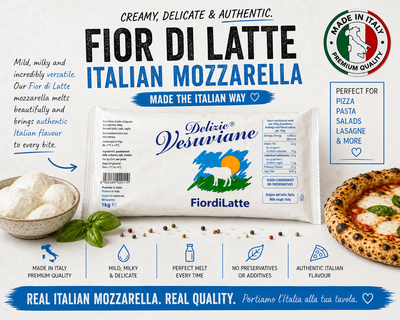 Fior di Latte Mozzarella for Pizza – 1kg
£12.59
Fior di Latte Mozzarella for Pizza – 1kg
£12.59
-
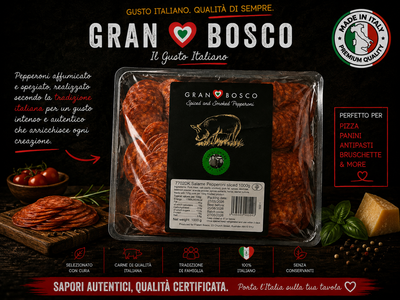 Gran Bosco, Smoked Sliced Pepperoni – 1kg
£18
Gran Bosco, Smoked Sliced Pepperoni – 1kg
£18
-
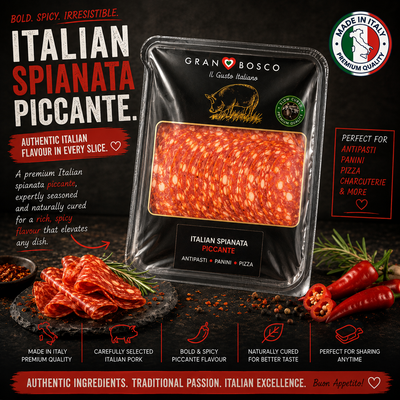 Gran Bosco - Italian Spianata Piccante 250g
£8.10
Gran Bosco - Italian Spianata Piccante 250g
£8.10
Handmade in Dorset • Free UK delivery over £50 • Free proofing pot with every dough ball