Nail Goat Cheese on Pizza at Home with 48 hour Dough and Exact Times
Recipes with precise quantities and oven timings to make goat cheese on pizza with creamy dollops and a crisp crust. Ready dough options.
Yes, goat cheese belongs on pizza. It softens into warm, creamy dollops instead of stretching like mozzarella, which makes it one of the better toppings for pairing with sweet or earthy flavors. Thin a chèvre log with a splash of cream, dollop it on before baking, and save fragile greens or a drizzle of honey for after the pizza comes out of the oven.
TL;DR:
- Using fresh chèvre logs softened with cream or milk ensures the cheese melts into creamy dollops rather than slimy pools during baking.
- Preheating the oven and pizza stone or steel to at least 500°F is crucial for achieving a crisp crust and evenly warmed goat cheese within 8 to 10 minutes.
- Par-baking the crust and adding low-moisture mozzarella underneath the goat cheese help prevent sogginess from watery toppings like tomatoes or mushrooms.
- Storing leftover slices in the fridge up to three days or freezing for two months allows for reheating without losing crust crispness, using an oven or air fryer.
- Combining goat cheese with sweet ingredients like fig jam, honey, or caramelized onions enhances flavor contrast, while pairing it with earthy greens balances the tanginess.
Table of Contents
- Goat Cheese Pizza Recipes Worth Making Tonight
- How to Prepare Goat Cheese So It Performs on Pizza
- Baking Technique for a Crisp Base and Creamy Cheese
- Choosing the Right Goat Cheese and Companions
- Storing and Reheating Leftover Slices
- How Doughdorks Makes Goat Cheese Pizza Easier at Home
- Why Goat Cheese Works So Well Against Other Toppings
- Nutrition and Dietary Notes for Goat Cheese Pizza
- A Few Words on Experimenting With Goat Cheese
- Get the Dough and Toppings for These Recipes
- Sources
Goat Cheese Pizza Recipes Worth Making Tonight
These three variations cover the range goat cheese does best: savory and sweet, fruit-forward, and quick weeknight cooking. Each makes one 12 inch pizza.
-
Caramelized onion and goat cheese pizza. Slice two medium yellow onions thin and cook them in a tablespoon of olive oil over medium-low heat for 25 to 30 minutes, stirring occasionally, until deeply golden. Stretch your dough, spread the onions across the base, dot with 4 ounces of thinned chèvre, and bake at 500°F for 8 to 10 minutes. A few thyme leaves at the end round it out.
-
Fig, goat cheese, and balsamic pizza. Spread 3 tablespoons of fig jam (or four fresh figs, quartered, if they’re in season) over the dough instead of tomato sauce. Add 4 ounces of chèvre in small dollops and bake for 8 to 9 minutes. Pull the pizza out and finish with a balsamic glaze drizzle and a handful of arugula. The sweetness of fig against tangy goat cheese is one of the pairings food writers reach for most often, and it’s easy to see why once you’ve made it.
-
Weeknight tomato and mint, or spinach and lemon. For the fast version, toss halved cherry tomatoes with olive oil and a pinch of salt, scatter them over the dough with chèvre, and bake until done. Top with torn mint right after baking. The spinach and lemon route swaps in a couple handfuls of baby spinach wilted briefly in a hot pan, plus a squeeze of lemon and lemon zest added post bake.
Sheet-pan variant: stretch dough into a rectangle on an oiled sheet pan, par-bake 5 minutes at 475°F before adding toppings, then finish for another 8 to 10 minutes. It’s the easiest option if you’re feeding a crowd and don’t want to babysit a stone.
How to Prepare Goat Cheese So It Performs on Pizza
The form of chèvre you buy determines how it behaves in the oven, and the prep step matters almost as much as the recipe itself.
- Buy a fresh chèvre log, not the pre-crumbled tubs. Pre-crumbled goat cheese is often coated in anti-caking agents that keep the crumbles from clumping in the bag, and that same coating stops it from softening into creamy pockets in the oven.
- Soften the log at room temperature before working with it.
- Thin it with a splash of milk, cream, or half-and-half. Mixing a tablespoon or two of cream into 4 ounces of chèvre with a fork or in a small food processor turns a stiff log into something spreadable enough to dollop or swirl.
- Space dollops about an inch apart across the pizza so they warm through without merging into one soupy pool.
- Add delicate finishing toppings, arugula, basil, a honey drizzle, only after the pizza comes out of the oven, so they keep their color and don’t wilt into mush.
Pro Tip: Roll the thinned chèvre into small balls with a spoon and freeze them for 10 minutes before topping the pizza. They hold their shape through the bake instead of flattening into a thin layer.
Baking Technique for a Crisp Base and Creamy Cheese
Get the oven hot before the dough goes anywhere near it. Preheating a pizza stone or steel for at least 30 minutes at 500°F to 550°F gives you a crust that crisps in the same 8 to 10 minutes it takes the goat cheese to warm through, so neither element is waiting on the other.
- No stone or steel? A heavy sheet pan preheated in the oven works, though it won’t brown the base quite as fast.
- Scatter a thin layer of low-moisture mozzarella under the goat cheese dollops. It gives the pizza structure so slices hold together and the chèvre doesn’t slide when you cut it.
- If you’re using watery toppings like fresh tomato slices or mushrooms, par-bake the crust for 3 to 4 minutes before adding them, or the base turns soggy under the moisture.
- Slide the pizza off the stone with a metal peel rather than a wooden one. It’s less likely to catch on a cheese dollop and tear the crust.
Choosing the Right Goat Cheese and Companions
A log of fresh chèvre gives you the creamiest results and the most control over texture. Aged goat cheese has a firmer, crumblier bite and a sharper tang, which works if you want more contrast, but it doesn’t melt into dollops the same way.
- Look for a log that feels soft to the touch through the packaging, not chalky or dry.
- Skip pre-crumbled tubs for baking; save those for salads.
- Add a light scattering of low-moisture mozzarella or a dusting of parmesan for structure and salt.
- Buy from a cheese counter or specialty grocer when you can. Fresher chèvre softens more evenly than one that’s been sitting in a warehouse fridge.
Storing and Reheating Leftover Slices
Leftover goat cheese pizza holds up fine if you handle it right.
- Refrigerate slices in an airtight container for up to 3 days, laying parchment between layers so the cheese doesn’t stick to the lid.
- Freeze whole slices wrapped tightly for up to 2 months, and thaw in the fridge overnight before reheating.
- Reheat in a 375°F oven for 6 to 8 minutes, or an air fryer at 350°F for 4 to 5 minutes. Both keep the crust crisp better than a microwave, which turns the goat cheese rubbery.
How Doughdorks Makes Goat Cheese Pizza Easier at Home
Some dough balls are built with 48-hour fermentation, Italian 00 flour, and extra virgin olive oil, the same starting point Neapolitan pizzerias use before any topping goes on. That kind of dough holds up under wet toppings like fig jam or caramelized onions without going limp in the middle. Pairing it with a curated topping and pre-cooked base selection means you can test a new goat cheese and fig combination on a Tuesday without starting from flour and yeast.
Why Goat Cheese Works So Well Against Other Toppings
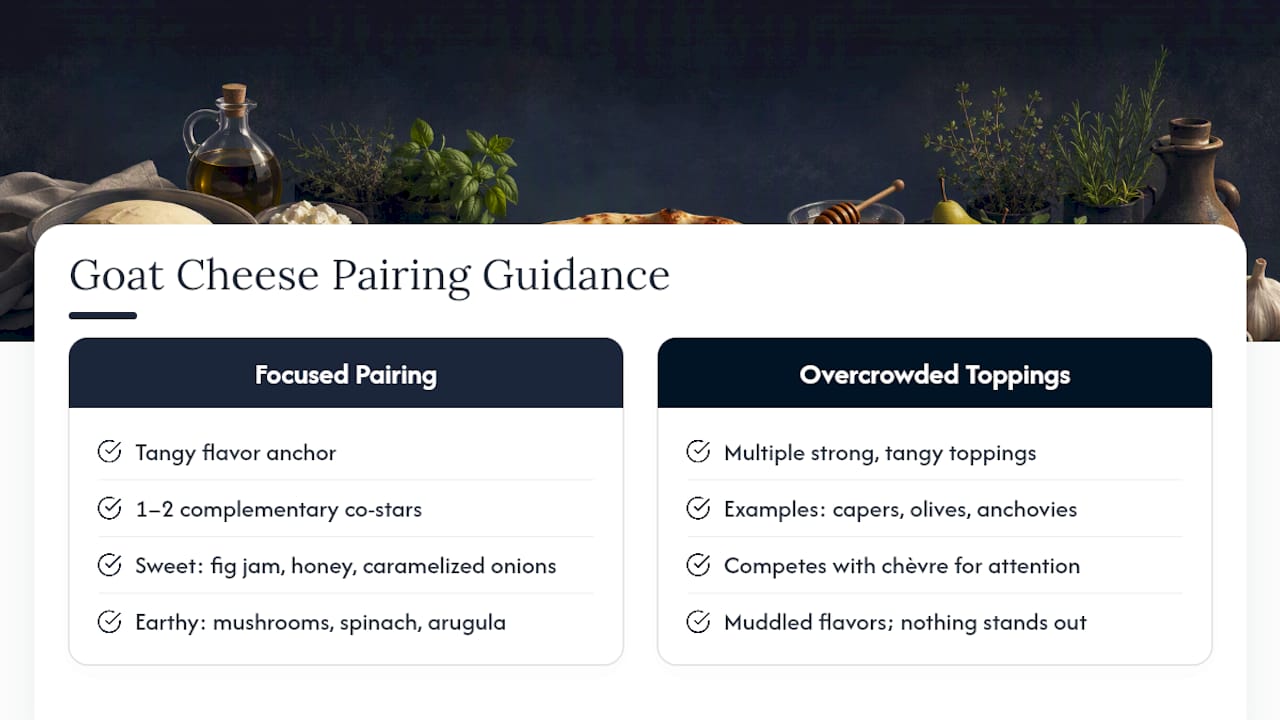
Goat cheese carries a sharp, tangy bite that most other pizza toppings don’t have, which is exactly why it pairs so well against sweetness. Caramelized onions, fig jam, and honey all lean sweet, and chèvre cuts through that sweetness instead of getting lost in it. Culinary writers often describe goat cheese as a flavor anchor rather than a bulk melting cheese, meaning it’s there to punctuate a bite, not blanket the whole pizza the way mozzarella does.
Earthy ingredients play well with it too. Mushrooms, spinach, and arugula all have a mineral, slightly bitter quality that goat cheese softens without erasing. Prosciutto works from the other direction: its salt and fat balance the cheese’s tang, which is part of why fig, prosciutto, and goat cheese shows up on so many restaurant menus as a combination.
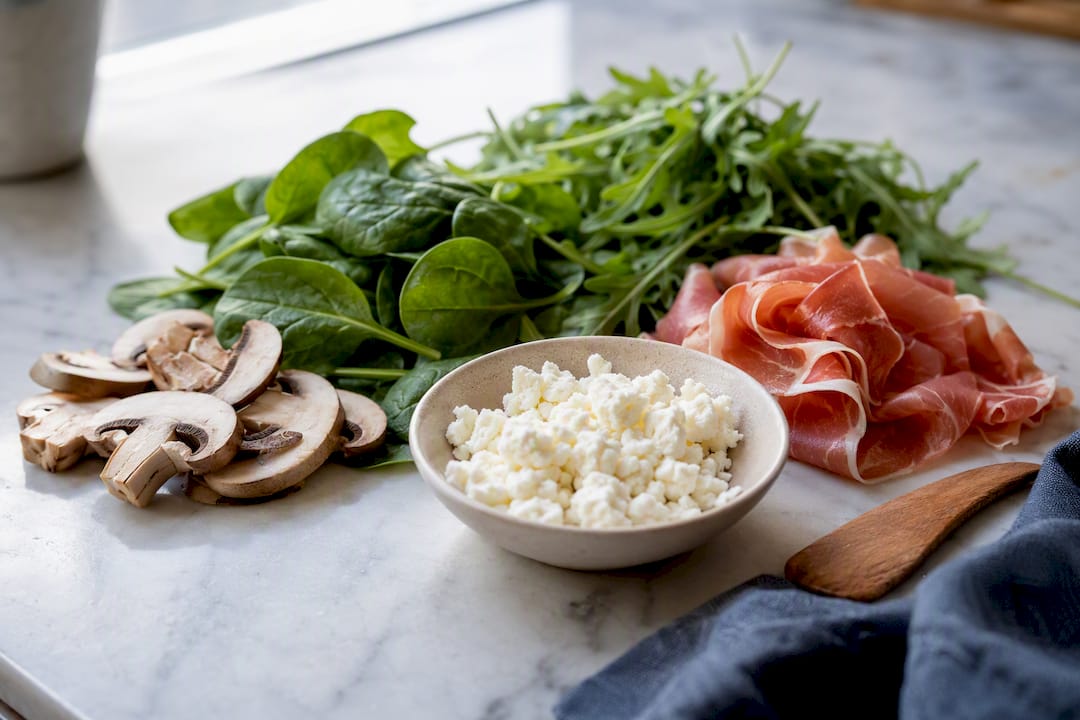
Where goat cheese struggles is against other strong, tangy ingredients. A pizza loaded with capers, olives, and anchovies alongside chèvre can turn into a fight for attention, with nothing standing out. The better move is to give goat cheese one or two co-stars rather than a crowded topping list, and let its tang be the contrast rather than one more competing flavor.
Nutrition and Dietary Notes for Goat Cheese Pizza
Goat cheese runs lower in lactose than cow’s milk cheese, which is why some people with mild lactose sensitivity find it easier to digest than mozzarella or cheddar. It’s not lactose-free, so anyone with a diagnosed intolerance should still treat it with caution, but the difference is real enough that many home cooks notice it.
It’s also a solid source of protein and calcium per ounce, and a typical 4 ounce serving spread across a pizza adds meaningfully less fat than the same weight of a fattier cheese like triple-cream brie. That doesn’t make a goat cheese pizza a health food. Crust, oil, and any meat toppings still drive most of the calorie count. But swapping in chèvre for a portion of the mozzarella on a pizza is a reasonable way to cut some saturated fat without giving up flavor.
One dietary note worth flagging: goat cheese is still a dairy product, so it’s off the table for anyone following a vegan diet, and the anti-caking agents in pre-crumbled versions can be an issue for people managing additive sensitivities. A fresh log avoids that second problem entirely.
A Few Words on Experimenting With Goat Cheese
My favorite pairing is still fig and prosciutto, but don’t stop there. Goat cheese rewards experimenting more than almost any other pizza topping. Try a batch, take notes, adjust the next one.
— Michael
Get the Dough and Toppings for These Recipes
You don’t need a wood-fired oven to pull off any of the pizzas above, but you do need dough that can handle a hot stone and hold its shape under fig jam or caramelized onions. Doughdorks’ 48-hour Neapolitan dough is fermented long enough to develop the strength and flavor that home-mixed dough usually takes years of practice to match, and it arrives ready to stretch.

If a weeknight pizza is more the goal than a weekend project, the pre-cooked Neapolitan bases cut the whole process down to topping and a short bake, which suits the tomato and mint or spinach and lemon recipes above particularly well. Pair either one with the curated toppings collection for honey, cured meats, and other goat cheese companions, and everything ships across the UK, so there’s no need to hunt down a specialty cheese shop before dinner. Browse the dough and topping options and build your next goat cheese pizza from there.
Sources
- Goat Cheese Pizza with Tomato and Mint – Thursday Night Pizza
- Goat Cheese Pizza (A Couple Cooks)
- Arugula and Goat Cheese Pizza | Allrecipes
Recommended
- Gorgonzola on Pizza: Recipes and Pairing Ideas
- Best Cheeses for Pizza: A Home Cook’s Guide
- 48-Hour Neapolitan Pizza Dough Balls (20 box)
- Why 48 Hour Pizza Dough Benefits Matter
PIZZA NIGHT, SORTED
Build the pizza with proper Italian ingredients
Shop Italian toppings, then add 48-hour fermented dough balls from Dorset for a complete pizza night.
-
 Fior di Latte Mozzarella for Pizza – 1kg
£12.59
Fior di Latte Mozzarella for Pizza – 1kg
£12.59
-
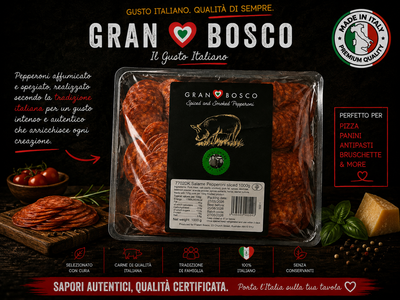 Gran Bosco, Smoked Sliced Pepperoni – 1kg
£18
Gran Bosco, Smoked Sliced Pepperoni – 1kg
£18
-
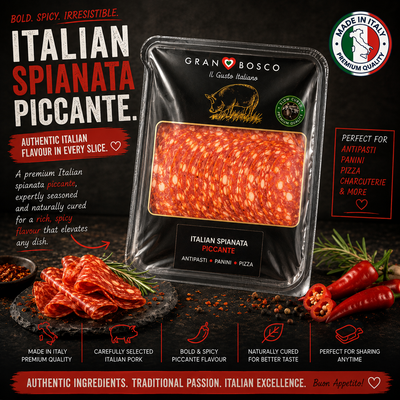 Gran Bosco - Italian Spianata Piccante 250g
£8.10
Gran Bosco - Italian Spianata Piccante 250g
£8.10
Handmade in Dorset • Free UK delivery over £50 • Free proofing pot with every dough ball