How to Freeze Mozzarella Cheese for Pizza and More
Learn how to freeze mozzarella cheese effectively for pizza and other baked dishes, ensuring delicious results even after thawing.
Yes, you can freeze mozzarella cheese. The catch: freezing changes its texture permanently, so plan to use it in cooked dishes like pizza, lasagna, or baked pasta rather than fresh salads or Caprese. When ice crystals form inside the cheese, they disrupt the protein-fat network, leaving thawed mozzarella drier, softer, and more crumbly than the original. That’s fine when it’s melting under heat. It’s not fine on a plate with tomatoes and basil.
A few things to know before you freeze:
- Shredded mozzarella is generally considered the most suitable type for freezing due to its disrupted structure, making texture changes less apparent once melted.
- Whole fresh balls typically experience the most textural change due to their high moisture content, which can lead to greater ice crystal formation and damage.
- Portion before freezing. Thaw only what you need for one recipe. Refreezing thawed mozzarella compounds texture damage and raises food-safety concerns.
- If extra preservation time is needed, short brining with salt is an alternative to freezing that can help maintain texture for a few days.
Pro Tip: Flash-freeze shreds or cubes on a parchment-lined tray for 1–2 hours before bagging. You’ll pull out single portions instead of one solid block.
Key Takeaways
Freeze mozzarella in portioned, airtight bags after a tray-freeze step, use it within 1–4 months depending on form, and reserve it for cooked dishes where melting hides any texture change.
| Point | Details |
|---|---|
| Best form to freeze | Shredded low-moisture mozzarella freezes best; use within 3–4 months for peak quality. |
| Tray-freeze first | Spread pieces on parchment for 1–2 hours before bagging to keep portions separate. |
| Thaw safely | Thaw overnight in the refrigerator; never refreeze once thawed. |
| Use for cooked dishes only | Pizza, lasagna, and baked pasta hide texture changes; raw salads do not. |
| Drain and pat dry | After thawing, remove pooled liquid before adding cheese to any recipe. |
Table of Contents
- How do you freeze mozzarella cheese at home?
- Which form of mozzarella freezes best?
- How long does frozen mozzarella stay good?
- How do you thaw mozzarella and use it after freezing?
- Portioning, refreezing rules, and common mistakes
- Quick troubleshooting and pro tips for better results
- What does food safety guidance say about freezing mozzarella?
- From our kitchen: a note on freezing mozzarella for pizza nights
- Sources
How do you freeze mozzarella cheese at home?
Follow these steps from prep to freezer placement:
- Drain and dry. For fresh mozzarella packed in brine, drain it completely. Brine separates on thaw and worsens texture. Pat the cheese dry with paper towels until no surface moisture remains.
- Choose your form. Shred, slice, cube, or leave whole depending on your planned use (see the next section for form-by-form guidance).
- Flash-freeze for portions. Spread shreds, cubes, or slices in a single layer on a parchment-lined baking sheet. Freeze for 1–2 hours until firm. This step prevents pieces from fusing into a single block.
- Pack airtight. Transfer to a freezer bag or vacuum-seal bag. Squeeze out as much air as possible before sealing. For extra protection, wrap slices or balls in plastic wrap first, then place in the bag.
- Label clearly. Write the date, form (shredded, sliced, whole), and intended recipe on the bag. You’ll thank yourself in three months.
- Place in the coldest part of the freezer. Keep at 0°F (-18°C) or below. Avoid the door, where temperature fluctuates every time you open it.
Pro Tip: Chill fresh mozzarella in the freezer for 20–30 minutes before shredding. Firmer cheese grates cleanly without smearing.
Which form of mozzarella freezes best?
Not all mozzarella behaves the same in the freezer. High-moisture fresh mozzarella suffers the most because its water content creates larger ice crystals that tear through the protein structure. Lower-moisture varieties hold up far better.
Here’s how the common forms rank:
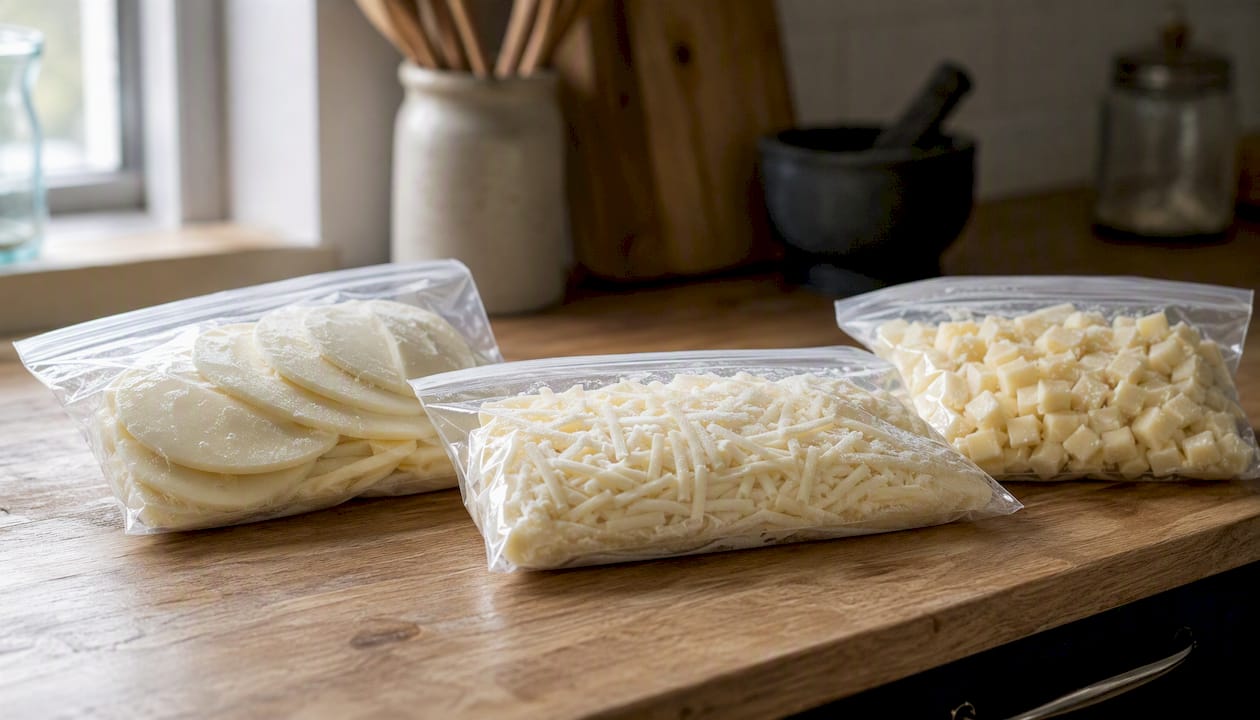
- Shredded mozzarella (low-moisture): The best candidate. Its structure is already disrupted, anti-caking agents help, and it melts beautifully on pizza straight from frozen. Aim to use it within 3–4 months for best quality.
- Cubes and slices: Moderate suitability for freezing. Their smaller size allows easier portioning and may reduce texture changes, making them suitable for baked dishes.
- Whole fresh balls: Texture takes the biggest hit. Still usable in cooked dishes, but expect a noticeably softer, wetter result after thawing. Best used within 1–2 months.
- Bocconcini and buffalo-style mozzarella: Have very high moisture content and are generally not recommended for freezing except as a last option. Short brining is often a preferable method for brief preservation.
Post-thaw, the rule is simple: the more heat involved in the dish, the less the texture change matters. Pizza, lasagna, baked ziti, omelets, and grilled sandwiches all work well. Raw applications like Caprese salad or fresh bruschetta do not. The meltability stays intact even when the fresh texture is gone, which is exactly what you need for a good pizza.
For a deeper look at which mozzarella type suits different pizza styles, the mozzarella for pizza guide on Doughdorks covers the differences in detail.
How long does frozen mozzarella stay good?
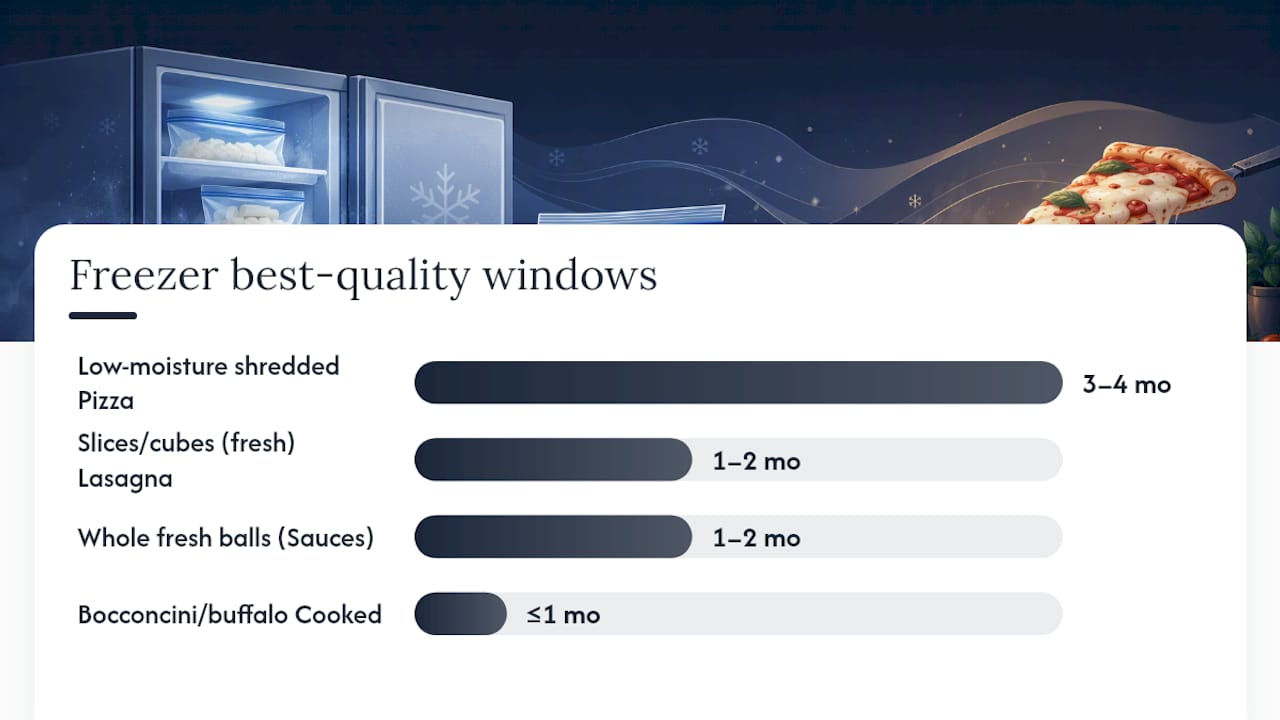
| Form | Best Quality Window | Best Uses |
|---|---|---|
| Shredded (low-moisture) | 3–4 months | Pizza, baked pasta, casseroles |
| Slices / cubes (fresh) | 1–2 months | Lasagna, baked dishes |
| Whole fresh balls | 1–2 months | Cooked sauces, baked dishes |
| Bocconcini / buffalo | 1 month or less | Cooked only |
Shredded mozzarella holds up for about 3–4 months at peak quality. High-moisture fresh mozzarella degrades faster; extension food-preservation guidance consistently recommends shorter windows of 1–2 months for very wet fresh cheeses. Food stays safe at 0°F indefinitely per the USDA, but quality loss is real and accelerates past these windows.
Never refreeze thawed mozzarella. If you thaw more than you need, cook it into a dish and freeze the finished dish instead. Refreezing raw thawed cheese makes the texture noticeably worse and can create food-safety issues.
Keep your fridge at or below 40°F and your freezer at 0°F (-18°C). Anything warmer in the freezer speeds up quality loss significantly.
How do you thaw mozzarella and use it after freezing?
The safest and best-tasting method is a slow thaw in the refrigerator overnight. Place the sealed bag in a bowl to catch any liquid that drains out. Thawing in the fridge limits bacterial growth and reduces the moisture dump you’d get from a quick room-temperature thaw. Never microwave fresh mozzarella to thaw it. The heat turns the outside rubbery before the inside warms through.
After thawing, water will pool, especially with fresh balls. Here’s how to handle it:
- Drain the bag and pour off any liquid.
- Pat the cheese dry with paper towels, pressing gently.
- For slices or balls, set them on a clean kitchen towel for 10–15 minutes to wick away more moisture.
- Toss shreds directly into your dish or onto pizza without thawing at all.
For pizza, add thawed mozzarella toward the end of the bake rather than the beginning. This prevents a watery topping and gives you a better melt. For lasagna or baked pasta, layer it in early since the sauce absorbs excess moisture during cooking.
Quick uses for thawed mozzarella: pizza, baked ziti, stuffed shells, omelets, grilled cheese sandwiches, and shakshuka. Skip it raw.
Portioning, refreezing rules, and common mistakes
Portion by recipe, not by convenience. Before freezing, divide mozzarella into amounts you’ll actually use in one go: roughly 1 cup of shreds for a pizza, 4–6 slices for a lasagna layer, or 1–2 oz cubes for a pasta bake. Smaller bags mean you never thaw more than you need.
The refreezing rule is firm. Once mozzarella thaws, the ice crystals that formed have already torn through the protein structure. Refreezing creates a second round of damage on top of the first. If you thaw too much, cook it that day and freeze the finished dish.
Common mistakes that hurt results:
- Skipping the tray freeze. Shreds dumped straight into a bag freeze into one solid clump. You’ll end up thawing the whole bag for a handful of cheese.
- Freezing in brine. The liquid separates during freezing and makes the cheese waterlogged on thaw.
- Storing near the freezer door. Temperature swings from opening and closing the door accelerate freezer burn.
- Poor labeling. Unlabeled bags become mystery cheese after six weeks. Date and describe every bag.
Spoilage warning: After thawing, check before using. Discard mozzarella that smells sour or off, has a slimy surface, or shows gray or pink discoloration. When in doubt, throw it out.
Quick troubleshooting and pro tips for better results
A few targeted fixes make a real difference:
- Watery thaw: Drain, pat dry, and get it into a hot dish immediately. Don’t let it sit at room temperature.
- Clumping shreds: Toss with a small pinch of cornstarch before freezing. It absorbs surface moisture and keeps shreds separate.
- Freezer burn on slices: Brush a very light coat of olive oil on each slice before wrapping. The oil creates a barrier against air exposure.
- Grayish spots: Trim them off if superficial. If the discoloration is deep or accompanied by an off-smell, discard.
Pro Tip: Vacuum sealing extends quality noticeably compared with standard freezer bags. If you freeze mozzarella regularly, a basic vacuum sealer pays for itself quickly in reduced waste.
Smoked mozzarella (like a scamorza) behaves differently in the freezer. Its lower moisture content and firmer texture mean it tolerates freezing better than fresh balls, and the smoky flavor holds well through a freeze-thaw cycle. If you’re curious about how it performs on pizza, the Granarolo Scamorza Affumicata is worth trying.
What does food safety guidance say about freezing mozzarella?
The USDA is clear: freezing keeps food safe at 0°F, but it does not stop quality loss. The recommended thaw method is always the refrigerator, not the counter, not the microwave.
Keep your freezer at exactly 0°F (-18°C) and your refrigerator at or below 40°F (4°C). University extension food-preservation programs consistently recommend shorter freezer windows for high-moisture fresh cheeses, typically 1–2 months, compared with harder, lower-moisture cheeses that can hold quality for longer.
Discard any thawed dairy that has an off-odor, a slimy texture, or visible discoloration. These are signs of spoilage that heat will not fix.
From our kitchen: a note on freezing mozzarella for pizza nights
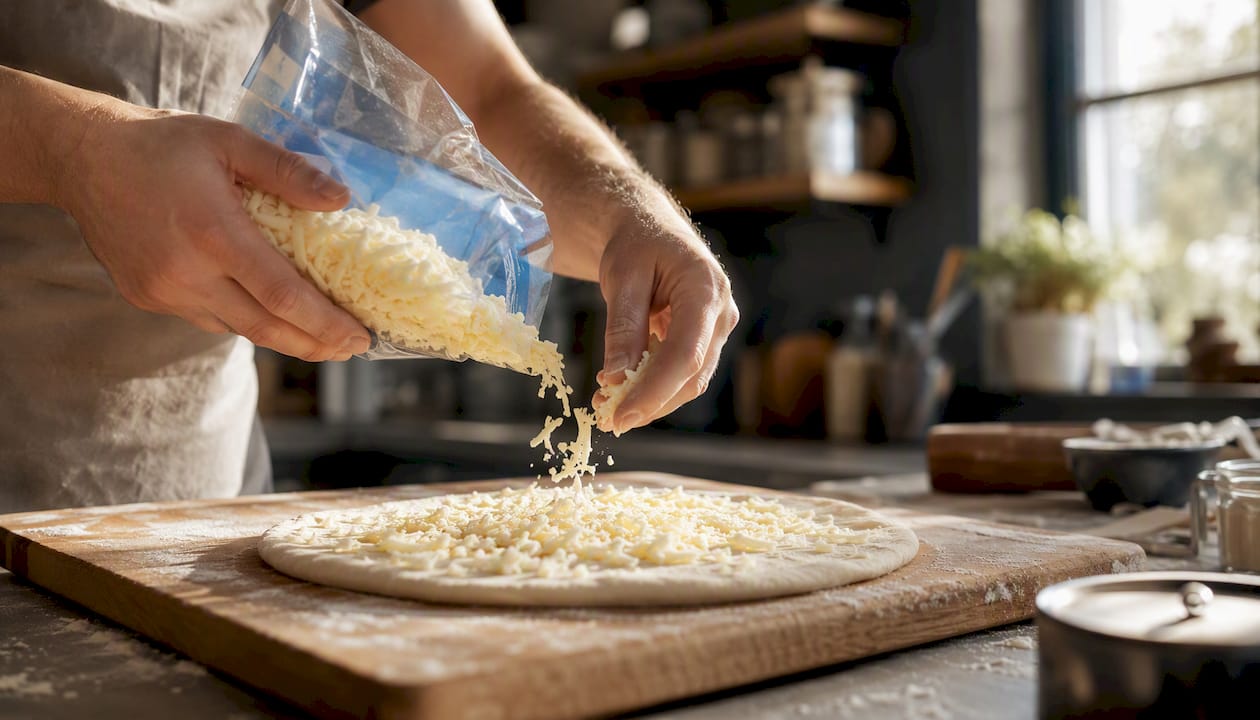
The single most useful shift in how we think about freezing mozzarella is treating it as a pizza-prep tool rather than a preservation fallback. Shred a block of low-moisture mozzarella, tray-freeze it, and bag it in pizza-sized portions. On a weeknight, you pull out one bag, scatter it straight from frozen onto your base, and it melts perfectly.
That workflow pairs naturally with keeping Doughdorks’ 48-hour Neapolitan pizza dough in the fridge or freezer alongside your cheese. Dough ready, cheese ready, toppings from the Doughdorks pizza toppings collection on hand. Pizza night goes from a project to a Tuesday.
Fresh mozzarella is worth buying in bulk when you find a good source. Freeze what you won’t use in two days. The quality loss in a cooked dish is genuinely minimal, and the waste reduction is real.
Sources
- Can You Freeze Mozzarella Cheese? Yes, But Only If You Prep It Well
- Can Fresh Mozzarella Cheese Be Frozen? | Freeze It Right
- Can You Freeze Mozzarella Cheese?
- How to freeze & store cheese - Glad
- You Can Freeze Fresh Mozzarella For Later, But There’s A Catch
Recommended
- The Best Mozzarella for Pizza: A Home Cook’s Guide
- Best Cheeses for Pizza: A Home Cook’s Guide
- Can Pizza Dough Be Frozen? Yes - Here’s How - Dough Dorks
- Prosciutto on Pizza: Easy Recipes and Tips for Home Cooks
PIZZA NIGHT, SORTED
Build the pizza with proper Italian ingredients
Shop Italian toppings, then add 48-hour fermented dough balls from Dorset for a complete pizza night.
-
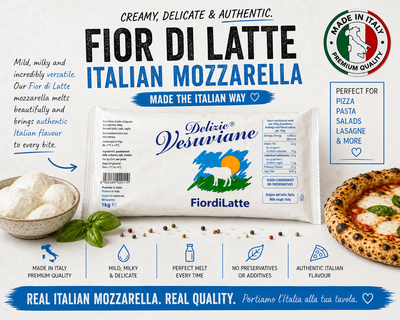 Fior di Latte Mozzarella for Pizza – 1kg
£12.59
Fior di Latte Mozzarella for Pizza – 1kg
£12.59
-
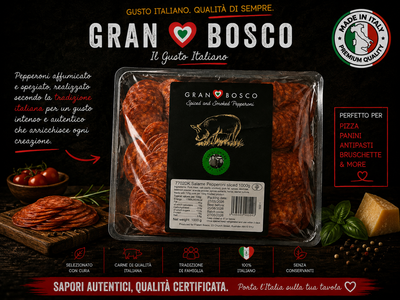 Gran Bosco, Smoked Sliced Pepperoni – 1kg
£18
Gran Bosco, Smoked Sliced Pepperoni – 1kg
£18
-
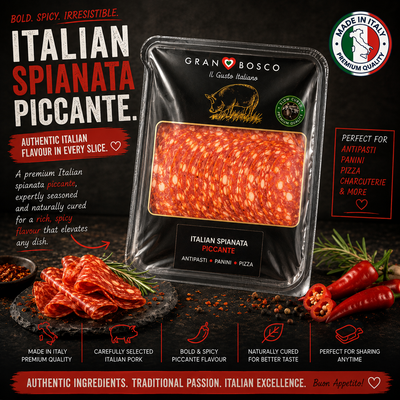 Gran Bosco - Italian Spianata Piccante 250g
£8.10
Gran Bosco - Italian Spianata Piccante 250g
£8.10
Handmade in Dorset • Free UK delivery over £50 • Free proofing pot with every dough ball