The Best Artisan Pizza Toppings for Restaurant-Quality Results at Home
Discover the finest artisan pizza toppings for restaurant-quality results at home. Elevate your pizza with flavorful, high-quality ingredients!
The best artisan pizza toppings are a small number of high quality, low moisture, flavor forward ingredients that complement the dough rather than bury it. Think fior di latte, prosciutto crudo, roasted cherry tomatoes, and a finishing drizzle of olive oil or hot honey. What makes a topping “artisan” isn’t rarity or price. It’s restraint paired with intensity: each ingredient earns its spot by adding a distinct flavor, texture, or aroma.
Here’s a shortlist to work from, organized by role on the pie:
- Cheese: fior di latte, burrata, aged pecorino
- Cured meats: prosciutto crudo, 'nduja, soppressata
- Roasted vegetables: cherry tomatoes, wild mushrooms, red peppers
- Finishing touches: basil, chili oil, hot honey, lemon zest
The practical rule that ties it all together: stick to 2 to 5 toppings per pizza, and save anything delicate for after the bake.
Key Takeaways
The best artisan pizza toppings succeed because they pair low-moisture, high-flavor ingredients with correct prep and precise timing, not because they’re expensive or exotic.
| Point | Details |
|---|---|
| Fewer toppings win | Stick to 2 to 5 toppings per pizza, adjusted for crust style and bake time. |
| Prep vegetables first | Roast, dry-sauté, or pickle vegetables before adding them to cut moisture and boost flavor. |
| Time your additions | Add burrata, prosciutto, and fresh herbs after the bake, not before. |
| Cured meats beat fresh | Prosciutto, soppressata, and 'nduja render fat and add depth that fresh chicken or steak can’t match. |
| Doughdorks provides the foundation | Doughdorks’ 48-hour fermented dough and curated toppings collection give home cooks the base and ingredients this guide recommends. |
Table of Contents
- What Are the Best Cheeses for Artisan Pizza?
- Which Sauce Base Works Best With Your Toppings?
- How Do You Prepare Vegetables for Pizza Toppings?
- What Meats and Proteins Work Best on Artisan Pizza?
- What Finishing Touches Make a Pizza Taste Gourmet?
- What Are the Best Artisan Pizza Topping Combinations?
- How Many Toppings Should You Put on a Pizza?
- How Doughdorks Supports the Toppings in This Guide
- What Regional Traditions Shape Artisan Pizza Toppings?
- What Drinks Pair Well With Artisan Pizza Toppings?
- What Are the Best Topping Alternatives for Dietary Restrictions?
- Why Fewer, Better Toppings Beat a Loaded Pie Every Time
- Ready to Build Your Own Artisan Pizza at Home?
- Sources
What Are the Best Cheeses for Artisan Pizza?
Fresh mozzarella, specifically fior di latte, is the backbone of most artisan pies because it melts evenly and carries a mild, milky flavor that doesn’t compete with other ingredients. Buffalo mozzarella brings more tang and moisture, so it needs a light hand and a well-drained slice or two. Burrata is a different animal entirely: it’s meant to be torn and added after the pizza comes out of the oven, never baked, since heat turns its creamy center into a puddle.
For bolder profiles, look to semi-soft and aged cheeses. Fontina melts beautifully and adds a nutty depth that pairs well with mushrooms or caramelized onions. Provolone brings a sharper bite, while a few crumbles of gorgonzola can turn a simple pie into something memorable. Grated pecorino or parmesan work best as finishing salts, scattered on right before serving rather than baked into the sauce layer.
Layering matters. Put shredded or sliced cheese down first if you want even coverage, then add wetter toppings on top so they don’t trap moisture underneath. For a 12 inch pie, four to six ounces of cheese total is usually the ceiling before things get greasy. Our guide to choosing pizza cheeses breaks down pairing logic in more depth.
Pro Tip: Tear fresh mozzarella by hand instead of slicing it. The rough edges create more surface area for browning and prevent the rubbery, uniform melt you get from pre-shredded cheese.
Which Sauce Base Works Best With Your Toppings?
Your sauce choice sets the tone for everything that follows, and it’s worth deciding before you start piling on ingredients. The AVPN standard for Neapolitan pizza calls for crushed San Marzano tomatoes with nothing more than salt, applied raw and uncooked, letting the oven’s heat do the work. That thin, bright layer is the right foundation for simple, high-quality toppings rather than a heavy blanket that competes with them.
White pizza swaps tomato for a base of ricotta, garlic-infused olive oil, or thin potato slices, and it’s the better choice when your toppings are already rich or earthy, like mushrooms or truffle oil. Pesto works as a third option, but it’s concentrated and needs a light touch, a couple of tablespoons spread thin rather than slathered edge to edge.
- Tomato: best with mozzarella, basil, cured meats
- White base: best with mushrooms, potato, aged cheeses
- Pesto: best with roasted vegetables, burrata, pine nuts
How Do You Prepare Vegetables for Pizza Toppings?
Raw vegetables almost always disappoint on pizza because they release water as they cook, leaving you with a soggy center and a crust that never quite crisps. The fix is simple: pre-treat nearly everything before it touches the dough.
- Roast cherry tomatoes at high heat for 15 to 20 minutes until they blister and their sugars concentrate.
- Dry-sauté mushrooms in a hot, dry pan first to drive off moisture, then finish with a touch of oil.
- Char peppers or asparagus under a broiler or on a grill to add smokiness and reduce water content.
- Caramelize onions slowly in olive oil for 25 to 30 minutes until deep golden brown.
- Add raw greens, like arugula or shaved fennel, only after baking, dressed lightly in oil and lemon.
Quick-pickling works too, particularly for red onions or fennel, adding acidity that cuts through rich cheese and cured meat. For a vegan-forward pie, a swipe of miso butter or roasted garlic under the sauce adds real umami depth without any animal product.
What Meats and Proteins Work Best on Artisan Pizza?
Cured meats outperform fresh proteins on pizza almost every time, and the reason comes down to fat and salt content. Serious Eats’ guidance on topping selection notes that fermented and cured meats render fat during the bake, basting the toppings around them, while thin fresh cuts tend to dry out and dilute flavor instead of adding it.
- Prosciutto: always add after the bake, since oven heat turns it leathery and dulls its flavor.
- Pepperoni or soppressata: these cup and char beautifully when baked directly into the pie.
- Pancetta or guanciale: rendered slightly before topping keeps the crust from pooling with grease.
- 'Nduja: spreadable and spicy, dab it in small amounts rather than covering the whole surface.
Fresh chicken or steak rarely work as standalone toppings because they need real cooking time that a hot pizza oven doesn’t provide in a single short bake. If you want them anyway, marinate and pre-cook fully, then char briefly before adding, and finish with a bold sauce to compensate for the flavor loss. Our prosciutto pairing guide has more detail on timing cured meats correctly.
What Finishing Touches Make a Pizza Taste Gourmet?
The difference between a good pizza and a memorable one often comes down to what happens after it leaves the oven. Fresh basil, torn burrata, a handful of arugula, a drizzle of good olive oil or chili oil, a thread of hot honey, a scrape of lemon zest, these are the moves that separate home cooking from something that tastes like it came out of a wood-fired oven in Naples.
Timing and restraint both matter here. Burrata and prosciutto go on after the bake, never before. Oils and honey should be drizzled, not poured, a teaspoon or two spread across the whole pie.
- Hot honey plus spicy salami
- Lemon zest plus ricotta plus gorgonzola
- Chili oil plus fresh basil plus pecorino
Pro Tip: Warm your hot honey slightly before drizzling. Cold honey clumps and sits on top instead of running into the crevices of the crust.
What Are the Best Artisan Pizza Topping Combinations?
These eight combinations balance salt, fat, sweetness, acid, and crunch, the five elements that separate a forgettable pie from one people remember.
- Margherita plus: fior di latte, cherry tomatoes, basil after bake. Balance: milky fat against bright acid. Best on Neapolitan crust with a light topping ceiling.
- Prosciutto and arugula: mozzarella, prosciutto after bake, arugula after bake, parmesan shavings. Balance: salty cured fat against peppery green.
- Mushroom and fontina: dry-sautéed mushrooms, fontina, thyme, garlic oil base. Balance: earthy umami against nutty melt.
- Spicy honey salami: soppressata, mozzarella, hot honey after bake. Balance: heat against sweetness. Works on any crust style.
- White pie with lemon: ricotta, mozzarella, lemon zest after bake, black pepper. Balance: creamy richness against acid.
- 'Nduja and burrata: 'nduja dabbed pre-bake, burrata torn after bake, chili oil. Balance: spicy fat against cool cream. The unexpected standout: the temperature contrast between hot 'nduja and cold burrata makes this combo punch above its ingredient count.
- Caramelized onion and gorgonzola: slow-cooked onions, gorgonzola, walnuts, honey drizzle. Balance: sweet against funky and sharp.
- Roasted pepper and pecorino: charred peppers, mozzarella, pecorino finish, oregano. Suits thicker crusts that can hold more moisture.
How Many Toppings Should You Put on a Pizza?
Modernist Cuisine’s breakdown of Neapolitan pizza makes clear that dough is the primary artisan ingredient, and heavy or watery toppings compromise the structure a 48 hour fermentation took days to build. That’s the reasoning behind the 2 to 5 topping rule that BBC Good Food and most home-oven guides recommend.
Weight ceilings shift by style. Neapolitan pizza, baked hot and fast, wants 2 to 3 toppings kept light. New York style, with its longer bake at lower heat, can handle 3 to 5. Thick or Detroit style pies tolerate more weight but still need balance across fat, sweet, and acid.
- Before the bake: sturdy vegetables, cured meats that render fat, sauce, base cheese.
- During the bake: hard cheeses meant to melt into the surface.
- After the bake: fresh herbs, delicate greens, burrata, finishing oils, honey.
Soggy centers usually trace back to raw, unprepped vegetables. Oily surfaces come from too much fatty meat piled in one place. Burnt edges often mean the oven ran too hot for the topping load you chose. Our guide to topping order walks through the sequencing in more detail.
Pro Tip: If your center looks underdone after a normal bake time, the topping load was too heavy for the moisture the dough could handle. Pull one wet ingredient next time and roast it first instead of skipping it entirely.
How Doughdorks Supports the Toppings in This Guide
Every combination above depends on a crust that can hold its shape under real ingredients, which is why Doughdorks builds its dough around a 48-hour fermentation using Italian 00 flour, fresh yeast, and extra virgin olive oil. That slower fermentation develops the gluten structure needed to support roasted vegetables, cured meats, and cheese without collapsing into a soggy middle.
Doughdorks also curates its own pizza toppings collection, covering the cheeses, cured meats, and sauces referenced throughout this guide, so you’re not hunting across three different shops for fior di latte and 'nduja. Gourmet ingredients typically cost 20 to 50% more than standard pizza toppings, which is exactly why sourcing a tight, high-quality shortlist matters more than buying in volume.
- Start with the 48 hour fermented dough as your base
- Add cured meats and cheeses from the curated toppings collection
- Reference the Neapolitan dough guide for handling technique
| Point | Details |
|---|---|
| Dough quality first | A properly fermented base handles bold toppings without turning soggy. |
| Doughdorks’ role | Supplies 48 hour fermented dough and curated cheese, meat, and sauce collections. |
What Regional Traditions Shape Artisan Pizza Toppings?
Naples set the original standard, and the AVPN’s insistence on San Marzano tomatoes, fior di latte, and basil added after bake still defines what “authentic” means to most pizza purists. But regional variation across Italy alone tells you that artisan doesn’t mean rigid.
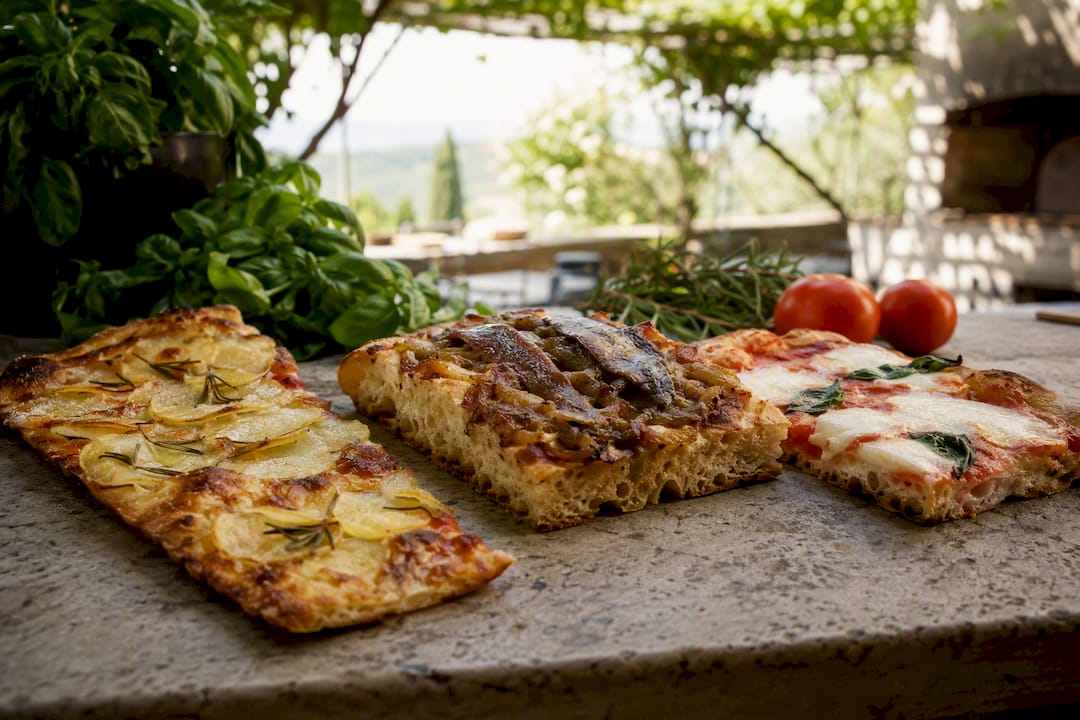
Roman pizza al taglio favors thinner, crispier bases that support heavier vegetable loads, think potato and rosemary, or zucchini and stracciatella, because the crust structure can carry more weight than a Neapolitan pie. Sicilian pizza leans into thick, focaccia-like dough topped with anchovies, breadcrumbs, and caramelized onions, a combination that would overwhelm a thin Neapolitan base but works because the crust is built for it.
Outside Italy, regional adaptation gets even more interesting. New York style pizza, developed by Italian immigrants working with American ovens and ingredients, shifted toward low-moisture mozzarella and a slightly sweeter tomato sauce to survive a longer, cooler bake. Great British Chefs points to UK chefs favoring anchovies, capers, and quality fresh tomato sauce, small, punchy ingredients that reflect a British palate for salt and acidity over heavy cheese loads.
Argentina’s fugazzeta stuffs mozzarella between two layers of dough and tops it with onions. Detroit style, thick and rectangular, builds cheese right to the edges so it caramelizes into a crispy frame. None of these are wrong versions of pizza. Each is a regional solution to local ingredients and ovens, which is the same logic that should guide your own topping choices at home.
What Drinks Pair Well With Artisan Pizza Toppings?
Matching a drink to your pizza works the same way matching a topping to your sauce does: contrast or complement, rarely both at once. A Margherita with fior di latte and basil wants something crisp and slightly acidic to cut the cheese’s richness, a dry Italian white like Vermentino, or a light pilsner if you’re pouring beer instead.
Richer combinations need more structure in the glass. A pizza topped with 'nduja, soppressata, or pepperoni calls for a red with enough acidity and tannin to stand up to the fat and spice, a Chianti or a Montepulciano d’Abruzzo both work well. Beer drinkers should reach for an amber ale or a slightly hoppy IPA, since the bitterness balances the meat’s richness the same way tannin does in wine.
White pizza with ricotta, garlic oil, and gorgonzola pairs best with something that won’t get lost, a fuller-bodied white like an oaked Chardonnay, or a Belgian-style wheat beer with enough body to hold its own. For dessert-leaning combinations, like hot honey and spicy salami, a slightly sweet sparkling wine such as Lambrusco cuts through the heat while echoing the honey’s sweetness.
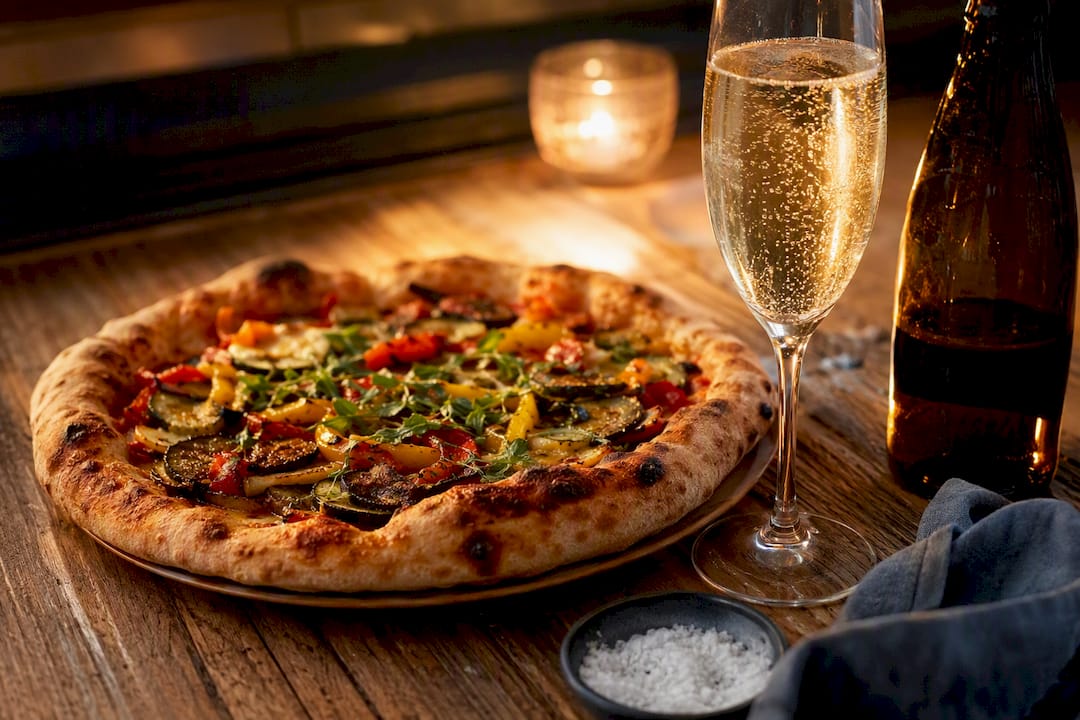
Non-alcoholic pairings deserve equal thought. Sparkling water with a squeeze of lemon does real work cutting through fatty toppings like pancetta or guanciale, while a bitter Italian soda pairs naturally with tomato-forward pies the same way a light beer would.
What Are the Best Topping Alternatives for Dietary Restrictions?
Building an artisan pizza around dietary restrictions doesn’t mean settling for less flavor, it means shifting where that flavor comes from. Vegan pies lose the obvious umami boost that cheese and cured meat provide, so the fix is leaning harder on techniques that build depth elsewhere: roasted garlic, miso butter swiped under the sauce, smoked salt, and nutritional yeast all add savory complexity that a plant-based eater won’t miss the cheese for.
Plant-based mozzarella alternatives have improved enough to melt reasonably well, but they still benefit from being paired with something bold, like caramelized onions or a chili oil finish, rather than standing alone the way fior di latte can. Roasted vegetables do heavier lifting on a vegan pie since they’re not competing with dairy fat, so don’t skimp on the roasting step.
Gluten-free pizza depends almost entirely on the base, since most toppings in this guide are naturally gluten-free already. A gluten-free crust tends to be more fragile and less structurally forgiving than a long-fermented wheat dough, so keep the topping load lighter, closer to 2 to 3 items, and avoid particularly wet ingredients that a gluten-free base can’t compensate for the way a properly fermented dough can.
Dairy-free eaters who still want cheese-like richness often do well with a cashew-based ricotta swap or a drizzle of good olive oil in place of a cheese layer entirely. Low-sodium diets should watch cured meats and aged cheeses closely, since both are naturally high in salt, and lean instead toward roasted vegetables and fresh herbs for flavor.
Why Fewer, Better Toppings Beat a Loaded Pie Every Time
The instinct to pile on toppings is understandable and almost always wrong. Every source worth trusting on this subject, from the AVPN’s Neapolitan standard to Serious Eats’ topping philosophy, converges on the same conclusion: restraint produces better pizza than abundance.
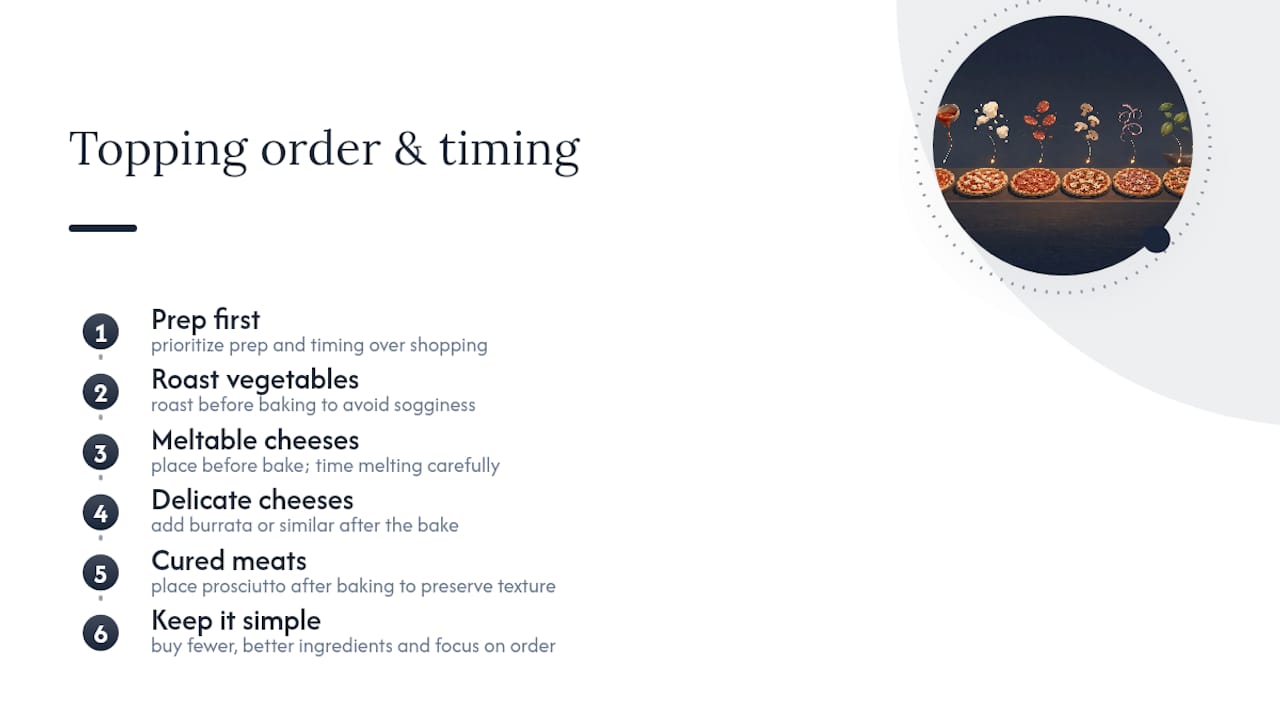
What gets overlooked in most topping guides is the sequencing problem. People obsess over which ingredients to buy and skip the harder question of when each one should hit the pie. A perfectly good prosciutto ruins itself if it goes in before the bake instead of after. A great vegetable turns bland and watery if it goes on raw instead of roasted first.
If you take one thing from this guide, prioritize prep and timing over ingredient shopping lists. A supermarket mozzarella, roasted properly and timed correctly, beats an expensive burrata thrown on carelessly before the bake. Buy fewer, better ingredients, and spend the time you saved on getting the order right instead.
Ready to Build Your Own Artisan Pizza at Home?
Skip the ingredient scavenger hunt. Doughdorks sells the 48 hour fermented dough this whole guide is built around, alongside a curated toppings collection that covers the cheeses, cured meats, and sauces we’ve walked through, so you can assemble a pizzeria-quality pie without sourcing from three different shops.

Start with the 48-hour Neapolitan pizza dough if you want full control over your own toppings, or browse the curated toppings collection for fior di latte, cured meats, and sauces ready to go. UK-wide delivery means the dough arrives ready to shape, not frozen solid or days past its prime. Order tonight and you could be pulling a proper Neapolitan pie out of your own oven by the weekend.
Sources
- Modernist Cuisine — Understanding Neapolitan pizza
- A pizza snob’s approach to toppings — Serious Eats
- Top 10 pizza topping ideas — BBC Good Food
Recommended
- The Right Pizza Toppings Order for a Crispy, Flavorful Pie
- Best Cheeses for Pizza: A Home Cook’s Guide
- Apple Pay
- Prosciutto on Pizza: Easy Recipes and Tips for Home Cooks
PIZZA NIGHT, SORTED
Build the pizza with proper Italian ingredients
Shop Italian toppings, then add 48-hour fermented dough balls from Dorset for a complete pizza night.
-
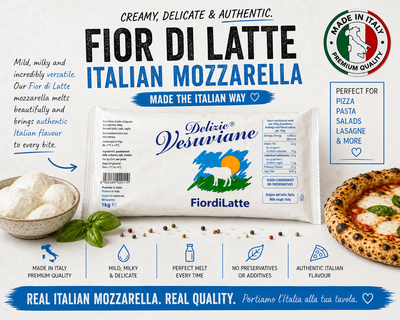 Fior di Latte Mozzarella for Pizza – 1kg
£12.59
Fior di Latte Mozzarella for Pizza – 1kg
£12.59
-
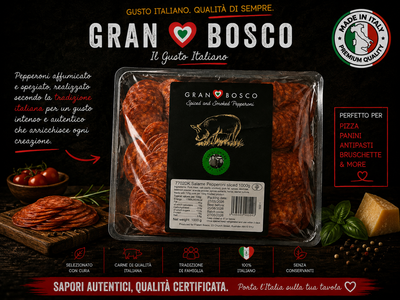 Gran Bosco, Smoked Sliced Pepperoni – 1kg
£18
Gran Bosco, Smoked Sliced Pepperoni – 1kg
£18
-
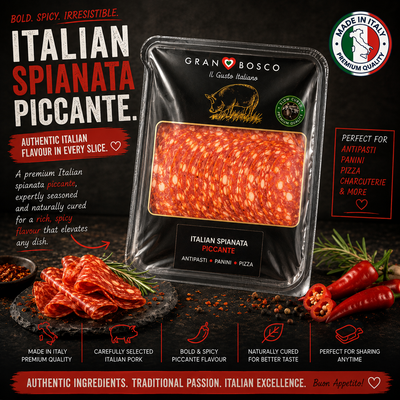 Gran Bosco - Italian Spianata Piccante 250g
£8.10
Gran Bosco - Italian Spianata Piccante 250g
£8.10
Handmade in Dorset • Free UK delivery over £50 • Free proofing pot with every dough ball