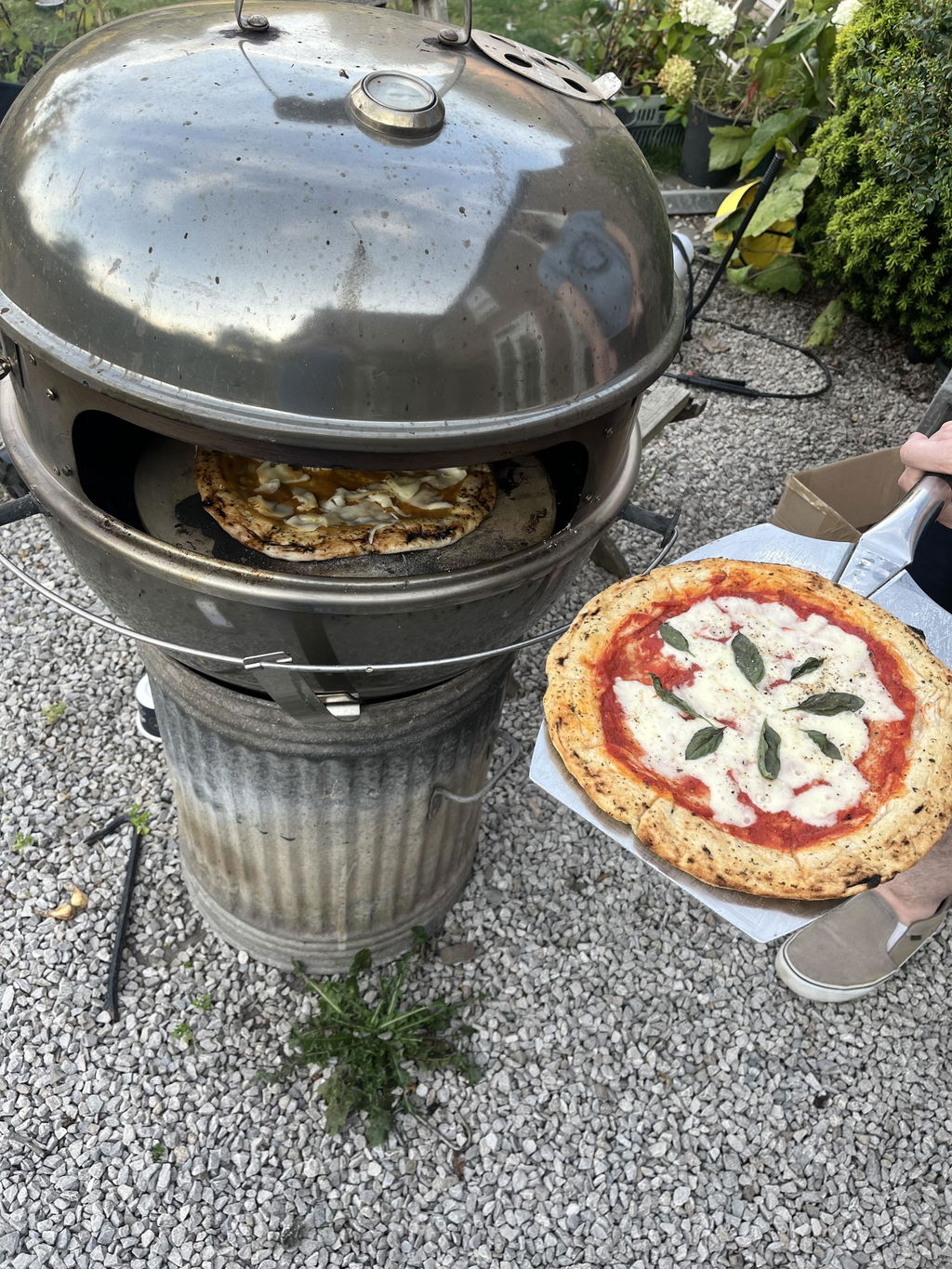
15 Minute White Pizza Sauce That Won't Slide with Roux Béchamel
Make a creamy garlic roux béchamel white pizza sauce in about 15 minutes. Keeps sauce from sliding in the oven, plus freezer tips and UK swaps.
White pizza sauce is a roux-thickened béchamel finished with Parmesan and garlic, and it’s the right call over ricotta or olive oil versions when you want something that spreads evenly and won’t slide off the crust. The roux technique makes this version hold up under high heat. This batch makes a moderate amount, enough for two or three medium pizzas, prepared in about 15 minutes.
TL;DR:
- Using a roux-based béchamel ensures the sauce remains thick and stable under high heat, preventing it from sliding off or becoming watery.
- Incorporating Parmesan off the heat, gradually adding warm milk, and avoiding over-salting is essential for a smooth, well-coating white sauce.
- Shortcuts like roasting garlic or adding cream cheese can stabilize the sauce for freezing and reheating without losing texture.
- Toppings such as spinach, mushrooms, and roasted chicken should be pre-cooked or drained to avoid excess moisture that causes sogginess.
- Proper cooling and spreading of the sauce in thin layers, along with appropriate oven temperatures, are necessary to prevent curdling and ensure even baking.
Table of Contents
- How Do You Make White Pizza Sauce From Scratch?
- Faster Ways to Make White Sauce (And When to Use Them)
- What Toppings Pair Best With Creamy Pizza Sauce?
- Why Does White Sauce Curdle or Slide Off the Pizza?
- How Long Does White Pizza Sauce Last in the Fridge?
- Why Dough Dorks Backs the Roux Method
- An Editorial Take: The Sauce Everyone Underrates
- Get the Dough and Toppings to Match Your Sauce
- Sources
How Do You Make White Pizza Sauce From Scratch?
Real white pizza sauce starts as a classic béchamel, the same French mother sauce behind lasagna and mac and cheese, then gets pushed thicker and sharper with garlic and Parmesan so it behaves on a pizza instead of a plate. That’s different from the two other things people call “white sauce”: a ricotta spread (just cheese, seasoning, maybe an egg) or an olive oil and herb base closer to a Roman pizza bianca. Both work fine for lighter pies, but neither has the body to keep a pizza from turning into a wet mess in the middle.
What you need (makes about 1½ cups):
- Unsalted butter
- Plain flour
- Warmed whole milk or half-and-half for extra richness
- Finely grated Parmesan or Parmigiano-Reggiano
- Minced garlic cloves
- Salt and black pepper to taste
- Optional: heavy cream or cream cheese for a sturdier sauce
Method:
- Warm the milk in a small saucepan or the microwave until steaming but not boiling. Set aside.
- Melt the butter in a saucepan over medium heat, then whisk in the flour. Cook the roux for 60 to 90 seconds, stirring constantly, until it smells faintly toasted and loses its raw-flour edge. This step matters more than most recipes admit: an undercooked roux tastes pasty and thins out the moment it hits a hot oven.
- Pour in the warm milk gradually, whisking the whole time so no lumps form.
- Keep whisking over medium heat until the sauce thickens, about 3 to 5 minutes. You’re looking for nappé consistency, meaning it coats the back of a spoon and holds a line when you drag a finger through it. If it runs off the spoon, it’s not there yet.
- Add the garlic and cook another minute, until fragrant.
- Pull the pan off the heat, then stir in the Parmesan, salt, and pepper. Adding cheese off the heat keeps it from turning gritty or seizing into clumps, and grating from a block rather than using pre-shredded cheese gives a noticeably silkier melt.
- Let the sauce cool to room temperature before spreading it on dough.
Pro Tip: Taste before you salt heavily. Parmesan and whatever toppings you’re planning already carry a lot of sodium, so season the base conservatively and adjust at the end.
This batch covers two medium pizzas generously, or three if you prefer a thinner layer. Prep and cook together run about 15 minutes, most of which is standing at the stove whisking.
Faster Ways to Make White Sauce (And When to Use Them)
The full béchamel is the reliable, do-it-right version, but a few shortcuts earn their place depending on what you’re making.
- Roasted garlic swap: Roast a whole head of garlic (cut the top off, drizzle with oil, wrap in foil, 40 minutes at 400°F) and mash the cloves into the finished sauce instead of raw minced garlic. It trades sharp bite for a sweeter, nuttier flavor that pairs especially well with mushrooms and chicken.
- Cream cheese or extra cream: Stir in 2 tablespoons of cream cheese, or use half-and-half instead of milk, when you’re making sauce ahead to freeze. The extra fat stabilizes the emulsion so it separates less on reheating.
- Ricotta and olive oil, no roux: Blend ricotta with olive oil, salt, and a little lemon zest for a lighter, faster option closer to New York-style white pizza. Skip this if you want the thick, adherent layer a roux gives you.
- Dairy-free version: Swap in oat or soy cream and a plant-based butter. It thickens fine but tends to separate faster under high heat, so use it on shorter bakes and don’t expect the same cheese-forward finish without a vegan Parmesan substitute.
Pro Tip: If you’re stabilizing sauce for the freezer, cream cheese tends to help the sauce stay stable better than heavy cream alone during extended storage.
What Toppings Pair Best With Creamy Pizza Sauce?
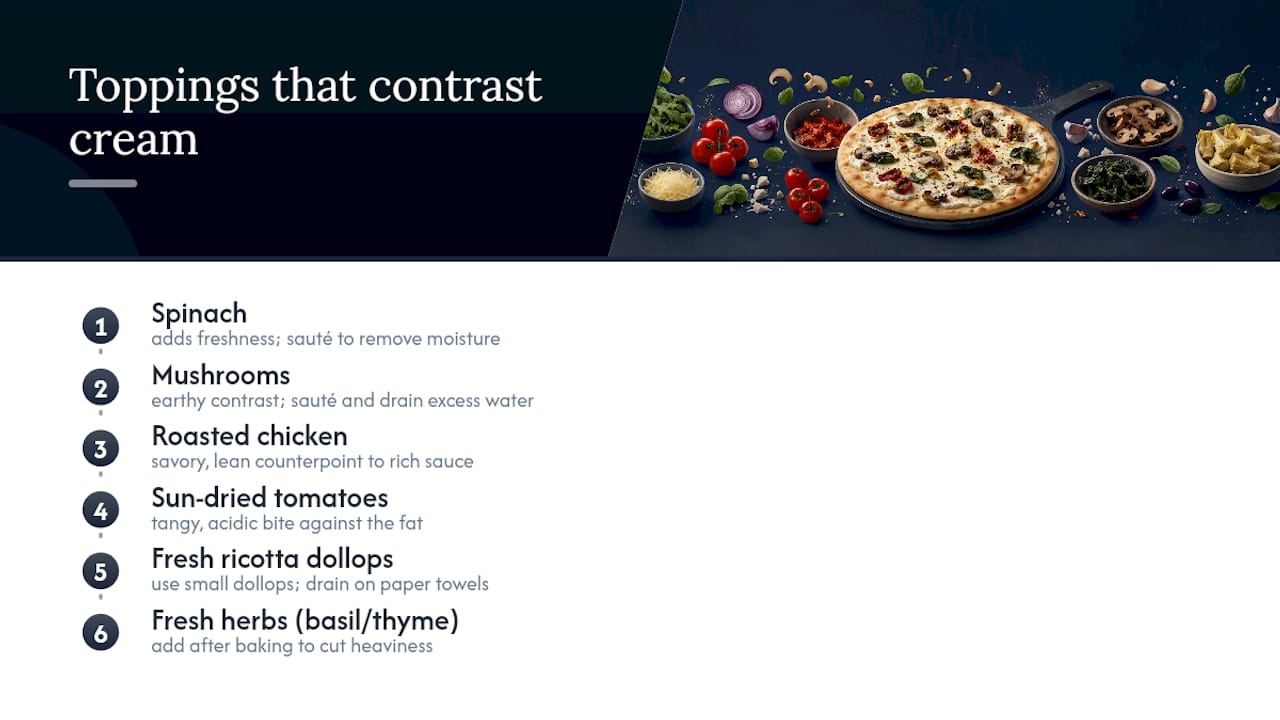
A dairy-heavy base wants toppings that add contrast, not more richness stacked on richness. Spinach, mushrooms, roasted chicken, sun-dried tomatoes, and small dollops of fresh ricotta all play well against the sauce’s fat and tang. Fresh herbs, basil or thyme added after baking, cut through the heaviness.
Cured meats need a lighter hand here than they would on a red sauce pizza. Pancetta and prosciutto are salty on their own, and paired with a Parmesan-based sauce, the salt can stack up fast, so use them sparingly and skip extra salt in the sauce itself if you’re topping heavily.
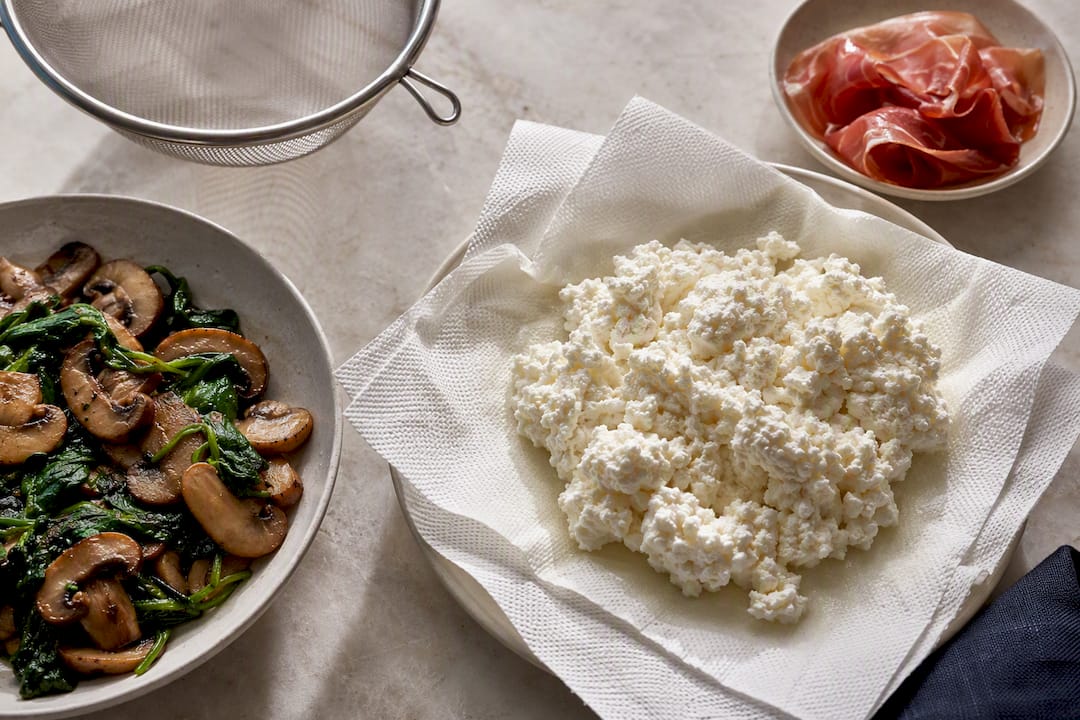
Moisture is the other thing to manage. Sauté mushrooms and spinach first to cook off excess water, drain ricotta on paper towels before dolloping, and pat cured meats dry. Skipping this step is the fastest way to end up with a pizza swimming in liquid halfway through baking, no matter how well the sauce itself turned out. For more on balancing toppings without overloading the crust, see what’s authentic in Neapolitan pizza toppings. If you’re stocking up on cured meats for a topping session, Pat’s Prime Cuts & Deli carries a rapini and garlic sausage that holds its own against a creamy base.
Why Does White Sauce Curdle or Slide Off the Pizza?
Most white sauce failures trace back to one of three things: heat, timing, or thickness.
- Curdling: This happens when cheese hits sauce that’s still boiling hard. Pull the pan off the heat before stirring in Parmesan, and keep the flame at medium rather than high throughout the whole process.
- Lumps: If the roux seized or the milk went in too fast, whisk hard over low heat, or pass the sauce through a fine sieve. A splash of warm milk whisked back in loosens a sauce that’s gone too thick or grainy.
- Sliding sauce: This is almost always a thickness or temperature problem, not a recipe problem. Sauce that’s still warm when it hits the dough spreads unevenly and can create steam pockets that make it slide. Let it cool fully first, then spread a thin, even layer of 2 to 4 tablespoons for a 10 to 12 inch pizza.
Pizza sauce needs to run noticeably thicker than a pasta sauce made from the same base, since a wetter sauce simply has nowhere to drain once it’s under a pile of cheese and toppings in a hot oven. Oven temperature plays a role too: hotter, faster bakes (think 475°F and up) set the sauce before it has time to pool, while long, low-temperature bakes give moisture more time to work its way out.
How Long Does White Pizza Sauce Last in the Fridge?
Cool the sauce quickly after cooking, transfer it to an airtight container, and it will keep in the refrigerator for several days. For longer storage, portion it into freezer bags or containers, label with the date, and freeze for a couple of months. Thaw overnight in the fridge rather than at room temperature.
- Reheat gently over low heat, stirring constantly.
- Add a splash of milk or cream if the sauce has thickened up or looks slightly separated after freezing.
- Never reheat over high heat. It’s the fastest way to break the emulsion you worked to build in the first place.
- Store in glass containers if you’re planning to freeze. They hold up better than plastic against repeated cheese and garlic contact.
If you like batching sauce alongside dough prep, our guide to how long pizza dough holds in the fridge covers timing for a full make-ahead pizza night.
Why Dough Dorks Backs the Roux Method
We build our sauce recommendations around what actually survives a hot oven, not just what tastes good in a bowl. A roux-based béchamel has the body to sit under our 48-hour fermented dough without soaking through it, which matters more with slow-fermented dough than with a quick same-day base since the crumb structure is more delicate.
If you’d rather skip a step, our curated Parmesan and mozzarella selection is built to melt cleanly into a sauce like this one. And if you’re assembling a full pizza night, our topping collection covers most of what pairs well with a cream-based base, from cured meats to fresh mozzarella.
An Editorial Take: The Sauce Everyone Underrates
Most white pizza advice treats the sauce as an afterthought to the cheese pull. That’s backwards. The sauce is what decides whether the pizza holds together or turns into a puddle by slice three, and a roux is genuinely the only reliable way to guarantee that outcome at home.
Where I think a lot of recipes get it wrong is treating “creamy” and “thick” as the same target. Plenty of white sauces taste rich straight off the spoon and still fail on the pizza because they’re runny at pizza temperature, not fridge temperature. The nappé test, coating the back of a spoon, isn’t a fussy chef detail. It’s the actual dividing line between a sauce that stays put and one that doesn’t.
If you take one thing from all this, let it be patience with the roux and patience with cooling. Rushing either step is where nearly every white sauce disaster starts, curdled, lumpy, or sliding right off the crust.
— Michael
Get the Dough and Toppings to Match Your Sauce
A great béchamel deserves better than a supermarket base. Doughdorks is built for exactly this: 48-hour fermented Neapolitan dough made with Italian 00 flour and slow fermentation, so it holds a rich, dairy-heavy sauce without going soft in the middle.

If you’d rather skip the sauce-making entirely on a busy night, browse our pre-cooked bases or grab toppings from our pizza toppings collection to build a full white pizza in under 20 minutes. Order dough or a topping bundle today and have restaurant-style pizza night ready before the oven even finishes preheating.
Sources
- White Pizza Sauce (Quick & Easy) — Natasha’s Kitchen
- White Pizza Sauce | Cheers Jenn
- White Pizza Sauce: The Recipe, the Chemistry, the Original | The Pizza Craft
- White pizza sauce (troubleshooting advice) — Crunchtime Kitchen
Recommended
- The Only Neapolitan Pizza Sauce Recipe You Need
- Olive Oil for Pizza: How to Use the Right Oil
- Best Cheeses for Pizza: A Home Cook’s Guide
- Gorgonzola on Pizza: Recipes and Pairing Ideas
READY-MADE • FROZEN • UK DELIVERY
Skip the mixing. Keep proper dough in your freezer.
48-hour fermented, individually proofed in their own pot and delivered frozen across the UK. Defrost, stretch, top and bake.
-
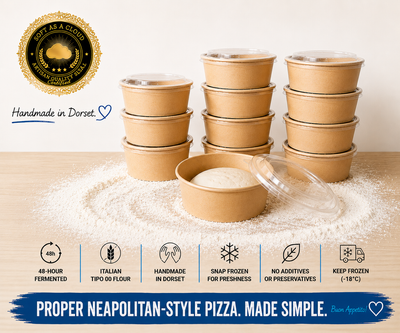 48-Hour Neapolitan-Style Pizza Dough Balls – Box of 12
£22.88
48-Hour Neapolitan-Style Pizza Dough Balls – Box of 12
£22.88
-
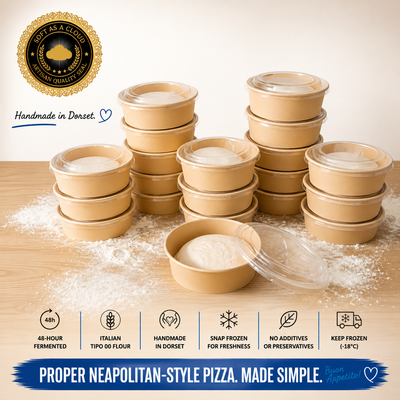 48-Hour Neapolitan-Style Pizza Dough Balls – Box of 20
£32.30
48-Hour Neapolitan-Style Pizza Dough Balls – Box of 20
£32.30
-
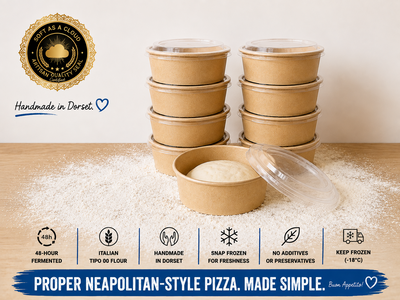 48-Hour Neapolitan-Style Pizza Dough Balls – Box of 8
£18
48-Hour Neapolitan-Style Pizza Dough Balls – Box of 8
£18
Handmade in Dorset • Free UK delivery over £50 • Free proofing pot with every dough ball