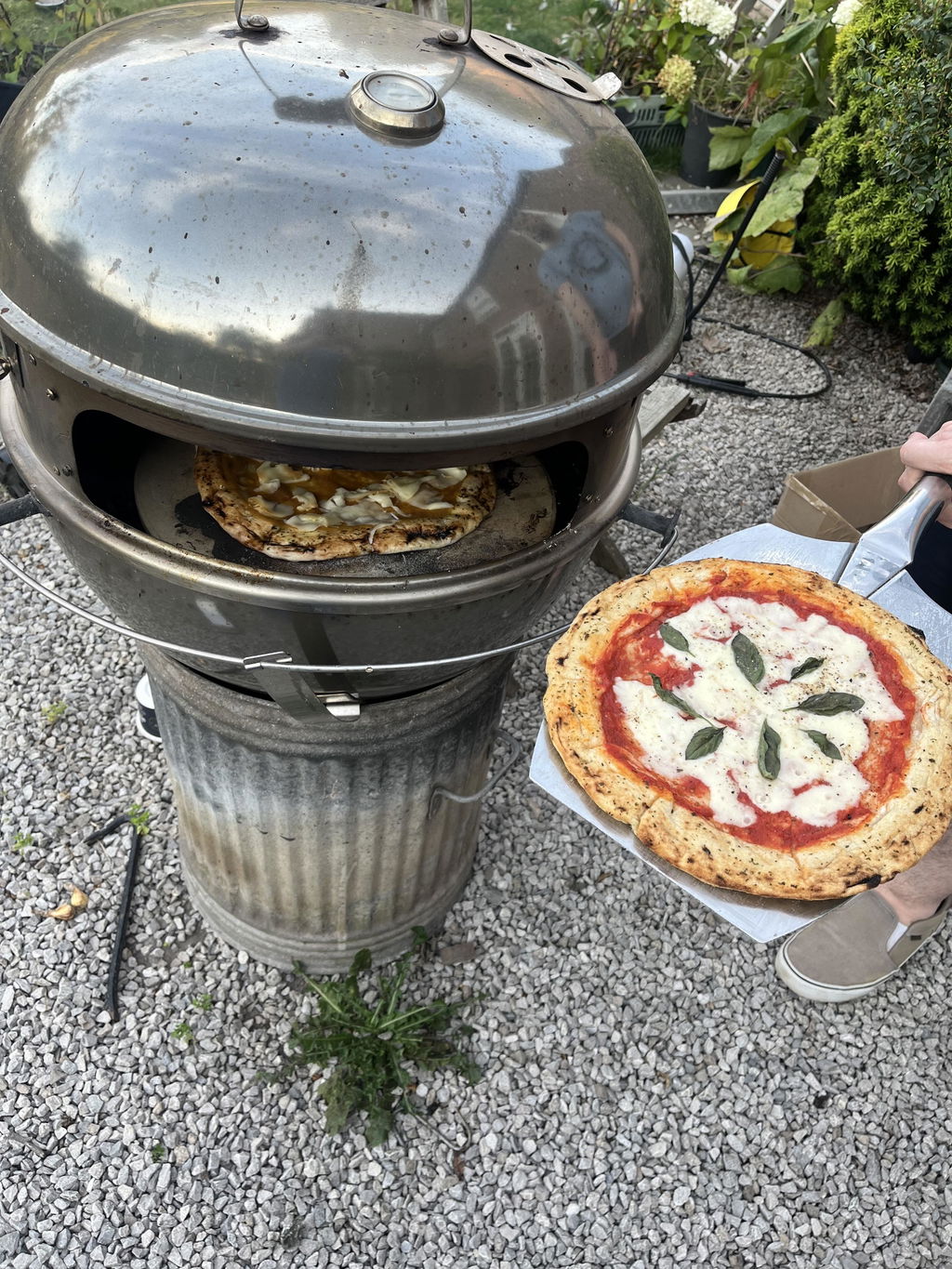
5 Minute Raw Pizza Sauce for UK Ovens That Won't Soak the Crust
Make a 5 minute raw pizza sauce for UK ovens. Choose ripe canned tomatoes, drain and pulse to stop soggy crusts, then bake hot or pair with 48 hour dough.
Yes, a raw pizza sauce made from good canned tomatoes is often the better choice: it takes five minutes, needs no stove time, and finishes cooking directly on the pizza. This works best for high-heat bakes, where the oven does the job a saucepan would otherwise handle. The one thing that makes or breaks it is tomato quality and keeping excess water out of the mix.
TL;DR:
- Using high-quality canned tomatoes like San Marzano ensures a flavorful raw sauce, but they must be drained thoroughly to prevent excess water in the crust.
- Short pulses in a food processor or hand-crushing keep the sauce textured and prevent release of too much water, which can soggy the pizza crust.
- A resting period at room temperature helps thicken the sauce by drawing out moisture, avoiding the need for pre-cooking or additional simmering.
- For Neapolitan-style pizza, raw sauce baked quickly in a hot oven preserves vibrant tomato flavor without pre-cooking; slower bakes may benefit from a brief simmer.
- Properly fermented dough, like 48-hour aged Neapolitan crusts, provides the ideal base for raw sauce, while rushing or using cold dough can compromise pizza quality.
Table of Contents
- How to Make Raw Pizza Sauce in 5 Minutes
- Which Tomatoes Actually Make a Good No-Cook Sauce?
- How Do You Stop Raw Sauce From Soaking the Crust?
- Should You Cook the Sauce for Some Pizza Styles?
- How Long Does Raw Pizza Sauce Keep?
- How Dough Dorks Uses Raw Sauce With Fresh Dough
- Common Mistakes That Ruin a No-Cook Sauce
- Why Raw Sauce Beats Cooked Sauce More Often Than People Think
- Pair Your Raw Sauce With Dough That’s Actually Ready
- Sources
How to Make Raw Pizza Sauce in 5 Minutes
Skip the pot entirely. This recipe makes enough sauce for several medium pizzas, and the whole process takes less time than preheating your oven.
Ingredients:
- 1 (28-ounce) can whole peeled tomatoes, drained slightly (San Marzano or another high-quality brand)
- season to taste with sea salt
- add extra virgin olive oil to taste
- optionally add a small amount of grated garlic
- optionally add a small amount of dried oregano
- 2 to 3 fresh basil leaves, torn (optional)
Method:
- Drain the tomatoes in a colander for 2 to 3 minutes, letting the excess packing liquid run off. Don’t rinse them.
- Choose your texture. For a smooth sauce, pulse the tomatoes in a food processor 4 to 6 times, just until broken down. For a rustic, Neapolitan-style texture, crush them by hand in a bowl, squeezing each tomato between your fingers.
- Stir in the salt and olive oil. Add garlic, oregano, or basil now if you’re using them.
- Let the sauce rest at room temperature for some time before spreading it. Salt draws a little more moisture out during this time, which actually thickens the texture rather than working against you.
- Spread 2 to 3 tablespoons per 12-inch pizza in a tight spiral, leaving a half-inch border bare for the crust to puff.
A food mill can give the smoothest, most consistent result if you make sauce often enough to justify owning one. Otherwise, a food processor or your own hands will do the job just fine. The key equipment rule: whatever tool you use, stop before the tomatoes turn to liquid. You want broken-down flesh, not a liquid texture.
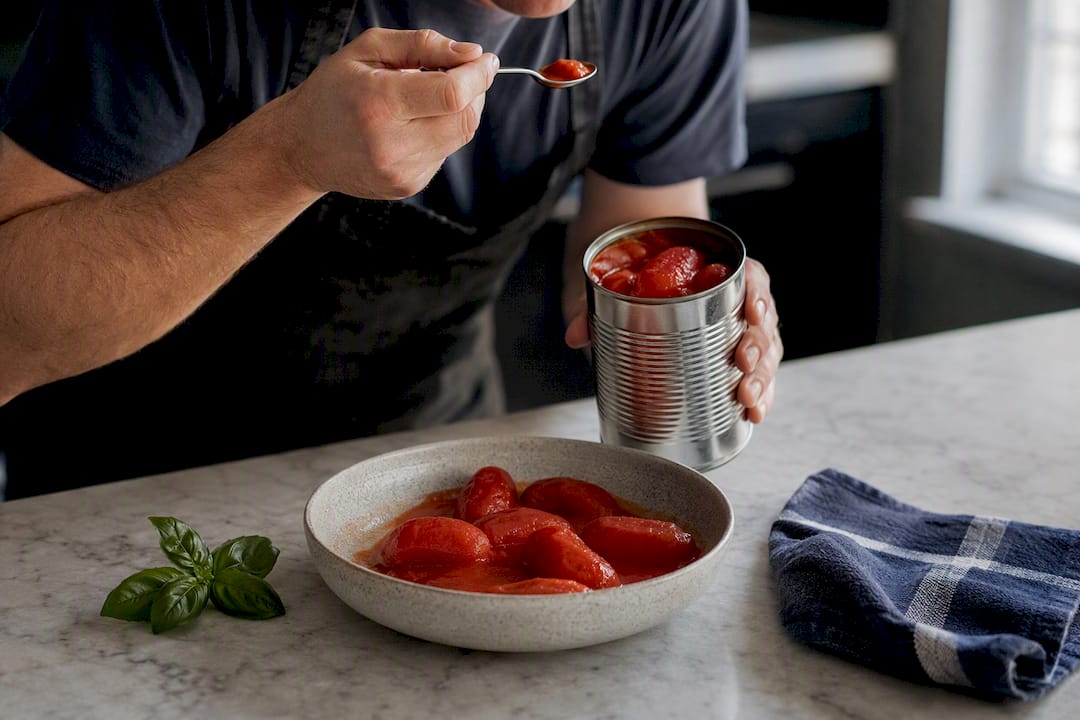
Pro Tip: Taste a spoonful of the canned tomatoes straight from the can before you season anything. If they taste flat, metallic, or watery, no amount of salt or basil will fix the base problem. Grab a different can.
Which Tomatoes Actually Make a Good No-Cook Sauce?
Canned wins over fresh for raw sauce almost every time, because canned tomatoes are packed at peak ripeness, which means they carry concentrated flavor no supermarket tomato can match outside of August. Whole peeled San Marzano tomatoes are the standard reference point for Neapolitan-style sauce, prized for lower acidity and a naturally sweeter profile than most canned alternatives.
Run a quick test before using canned tomatoes by smelling for fresh, bright tomato aroma without off-notes, tasting for balanced acidity and sweetness, and checking that the texture is firm and intact rather than mushy. If the can doesn’t meet these criteria, choose a different one. Skip fixating on one specific brand and instead run this test on whatever’s on the shelf. In the UK, Mutti is widely stocked and a solid, consistent option if you want a ready-made benchmark to compare against.
Salt and olive oil do the heavy lifting for seasoning. Fresh basil adds brightness without overpowering the tomato. If a can tastes unusually sharp, a tiny pinch of sugar or a few drops of balsamic vinegar can round out the acidity, but use it sparingly. You’re correcting, not sweetening.
How Do You Stop Raw Sauce From Soaking the Crust?
Water is the enemy of a crisp base, and it sneaks in two ways: leftover packing liquid and over-processed tomato flesh.
- Drain first. Tip the can into a colander and let it sit for a couple of minutes, or squeeze whole peeled tomatoes by hand to push out extra liquid before crushing them.
- Pulse, don’t puree. Over-blending ruptures the tomato’s cell walls and releases more water than you started with. Four to six short pulses is usually enough.
- Portion by size. Stick to 2 to 3 tablespoons for a 12-inch pizza and spread it in a thin spiral, stopping short of the edge.
- Match the temperature. Bring the sauce to room temperature alongside your dough. Cold sauce against room-temperature dough can cause uneven baking, leaving part of the crust underdone.
Quick fact: industry practitioners generally agree that most pizza sauces don’t need pre-cooking at all, because a hot oven finishes the job the stove would otherwise do, and pre-cooking tends to flatten the fresh tomato taste you’re trying to preserve.
Pro Tip: If you like a little raw garlic bite, grate it fine and stir it in rather than mincing. Grated garlic distributes evenly and won’t leave you biting into a raw chunk that turns bitter in the oven’s heat.
Should You Cook the Sauce for Some Pizza Styles?
Not every oven calls for the same approach. Sauce technique should follow your bake, not the other way around.
- Neapolitan: Stay raw. San Marzano tomatoes, salt, and olive oil, nothing more. The 60 to 90 second bake in a scorching oven does all the cooking.
- Home-oven or New York style: Raw sauce still works fine, but a lower bake temperature means dried herbs like oregano don’t always bloom. A brief 3 to 5 minute simmer can round out the flavor without turning it into a pasta sauce.
- Detroit or deep-dish: These longer, slower bakes often benefit from a warmer, slightly thicker sauce, sometimes applied after baking rather than under the cheese.
If you’re cooking low and slow, lean toward the simmered version. If your oven runs hot and fast, raw sauce is the simpler and better answer every time.
How Long Does Raw Pizza Sauce Keep?
Raw sauce isn’t a one-night-only product. It holds up well and actually tastes better after a short rest.
- Fridge: Keeps for 4 to 5 days in a sealed container. Flavor improves noticeably after the first 30 minutes to a couple of hours as the salt and oil integrate.
- Freezer: Portion into ice cube trays or small containers before freezing. This gives you single-pizza servings ready to grab.
- Thawing: Move frozen portions to the fridge overnight rather than microwaving them, which can turn the sauce watery and uneven.
- Batching: Doubling or tripling the recipe works fine since nothing here depends on precise cooking times.
How Dough Dorks Uses Raw Sauce With Fresh Dough
A raw sauce is only as good as what it sits on. Pair it with a properly fermented base and the whole pizza comes together the way it should.
- Spread the sauce over a 48-hour fermented dough ball, add fresh mozzarella and basil, then bake hot and fast.
- Delivery means the dough and sauce ingredients arrive together, ready for same-week use.
- For home ovens, stretch the dough thin, spread sauce sparingly, and bake at the highest setting your oven allows.
Common Mistakes That Ruin a No-Cook Sauce
Most raw sauce failures trace back to one of a handful of repeatable errors. The first is skipping the taste test and grabbing whatever can is cheapest. A flat or metallic-tasting tomato never improves with more salt.
The second is over-blending. Reaching for a blender’s high setting turns a chunky, textured sauce into thin tomato water, which soaks straight into the crust. Stick to short pulses or hand-crushing instead.
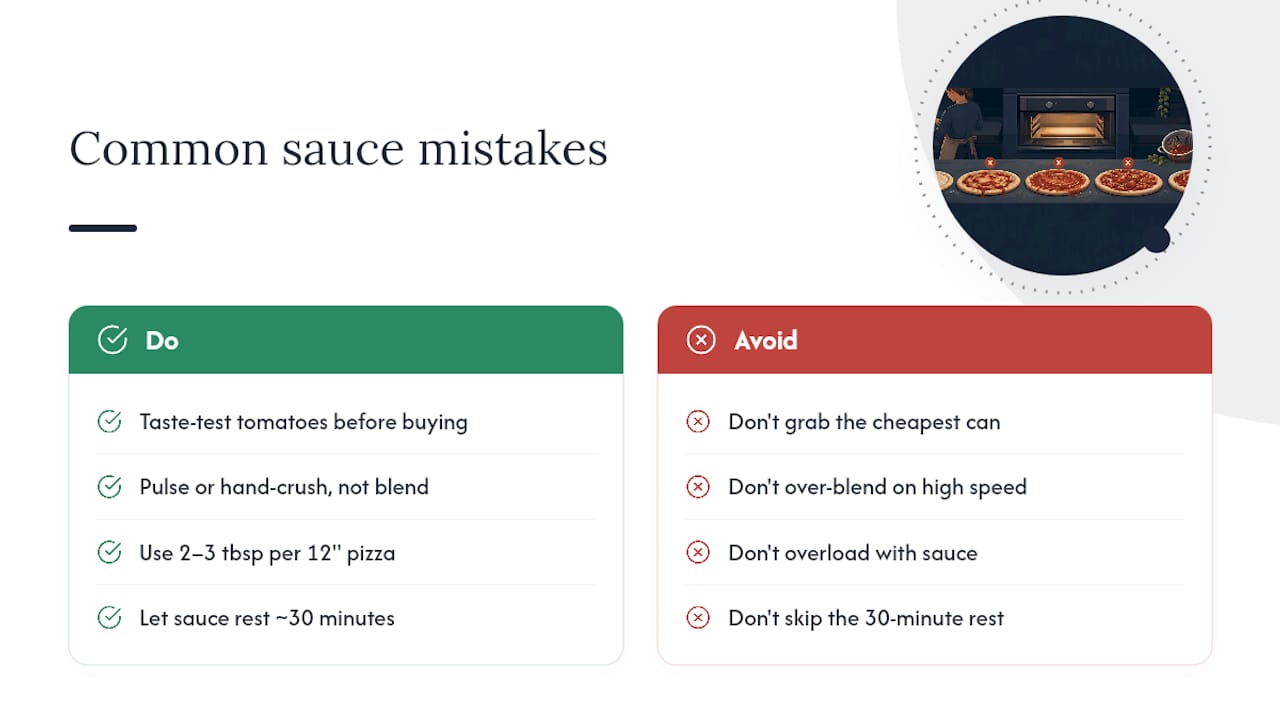
Third, cooks routinely overload the pizza. A heavy layer of sauce, especially one that hasn’t been drained, guarantees a soggy center no matter how hot your oven runs. Two to three tablespoons per 12-inch pizza is the ceiling, not a starting point.
Fourth, skipping the rest period rushes the flavor. Sauce made and used within sixty seconds tastes thinner and less cohesive than sauce given even 30 minutes to settle.
Finally, using cold sauce straight from the fridge on room-temperature dough creates uneven cooking. Pull the sauce out early and let it warm up alongside the dough before assembly. None of these fixes cost extra time or money. They just require slowing down for a few minutes before the pizza goes in.
Why Raw Sauce Beats Cooked Sauce More Often Than People Think
Most home cooks default to simmering pizza sauce because that’s what pasta sauce recipes teach them to do. It’s a habit borrowed from the wrong dish. Pizza sauce cooks a second time, on the pizza itself, so simmering it first is often redundant work that mutes the tomato’s brightness instead of improving it.
The bigger issue I see in most raw sauce guides is that they treat tomato quality as a footnote instead of the actual variable that decides success or failure. Technique matters, but a mediocre can of tomatoes handled perfectly still makes mediocre sauce. A great can handled loosely still tastes better than most people expect.
If you take one thing from this guide, make it the taste test. Not the pulse count, not the rest time. Taste the tomatoes before anything else touches them. Everything downstream, seasoning, texture, timing, only works if the base ingredient earns its place in the bowl.
— Michael
Pair Your Raw Sauce With Dough That’s Actually Ready
A great sauce still needs a great base, and that’s where most home setups fall short: stretching cold dough that hasn’t fermented long enough, or settling for a base with no depth of flavor. Dough Dorks solves that half of the equation with 48-hour fermented Neapolitan dough, made with Italian 00 flour and delivered fast across the UK, so it’s ready to stretch the same day it arrives.

Pick up a dough ball, spread your raw sauce in a thin spiral, add fresh mozzarella and basil, and bake as hot as your oven goes. If you’d rather skip the sauce-making entirely on a busy night, browse the pizza toppings collection for ready-made sauces and cheese pairings that go straight onto the dough. Order your dough now and have a genuinely fresh Neapolitan pizza on the table tonight.
Sources
- To cook or not to cook?
- How to Make Pizza Sauce (The Kitchn)
- Pizza Sauce Recipe: Neapolitan No-Cook vs American Cooked | The Pizza Craft
- Keeping pizza crust from getting soggy from fresh tomatoes (Cooking Stack Exchange)
Recommended
- Authentic Neapolitan Pizza Sauce Recipe UK
- 15 Minute White Pizza Sauce That Won’t Slide with Roux Béchamel
- Keep Pesto Bright on Pizza With Two Stage Finish, No Soggy Crust
- San Marzano Tomatoes: Pizza Sauce Guide
READY-MADE • FROZEN • UK DELIVERY
Skip the mixing. Keep proper dough in your freezer.
48-hour fermented, individually proofed in their own pot and delivered frozen across the UK. Defrost, stretch, top and bake.
-
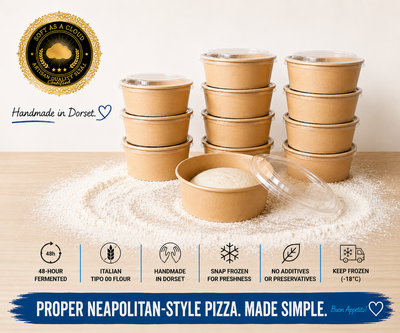 48-Hour Neapolitan-Style Pizza Dough Balls – Box of 12
£22.88
-
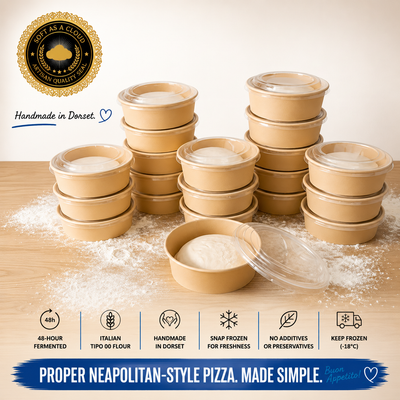 48-Hour Neapolitan-Style Pizza Dough Balls – Box of 20
£32.30
-
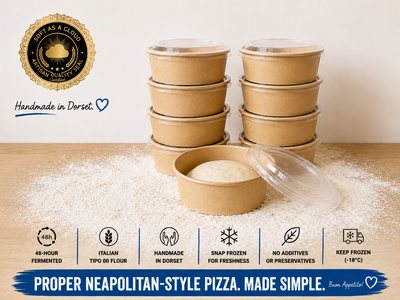 48-Hour Neapolitan-Style Pizza Dough Balls – Box of 8
£18
Handmade in Dorset • Free UK delivery over £50 • Free proofing pot with every dough ball