Provolone on Pizza: How to Use It for Better Browning
Discover how to enhance your pizza by adding provolone for richer flavor and better browning, elevating each slice to perfection.
Yes, provolone belongs on pizza, and it earns that spot as a blend partner rather than a full replacement for mozzarella. Used right, it adds savory depth and gets you closer to that deep golden top you see at good pizzerias.
- The upside: concentrated flavor and better browning than mozzarella alone delivers on its own.
- The trade-off: less stretch, and a greasy top if you go too heavy on it.
Pro Tip: Start with a minority portion of provolone of your total cheese weight, mixed with low-moisture mozzarella. That’s enough to notice the flavor and color shift without losing the pull when you cut a slice.
Key Takeaways
| Point | Details |
|---|---|
| Use it as a blend | Keep provolone at 10 to 25% of total cheese weight for New York-style and everyday pies. |
| Shred from a block | Block-shredded provolone melts cleaner than pre-shredded bags coated in anti-caking agents. |
| Save pure provolone for accents | Reserve straight provolone for perimeter frico or post-bake garnish, not full coverage. |
| Go heavier for pizza bianca | White pies can push provolone up to 40% since it’s the lead flavor there. |
| Pair with the right dough | Doughdorks’s 48-hour fermented dough balls hold structure under heavier cheese and fat loads. |
Table of Contents
- Why Does Provolone Change the Way Pizza Tastes?
- Sliced, Shredded, or Grated: Which Provolone Should You Buy?
- What’s the Right Provolone-to-Mozzarella Ratio?
- How Do You Make a Two-Cheese Pizza at Home?
- How Do You Make a Provolone and Prosciutto Pizza Bianca?
- How Do You Prevent a Greasy or Unevenly Browned Top?
- When Should You Use Scamorza Instead of Provolone?
- What’s the Verdict on Provolone After All This Testing?
- Where Can You Get Provolone-Ready Dough and Toppings?
- Sources
Why Does Provolone Change the Way Pizza Tastes?
Provolone is a pasta filata cheese, made the same stretched-curd way as mozzarella, but it goes through an aging process that fresh mozzarella never sees. That aging drives off moisture and concentrates flavor, which is why provolone comes out firmer and sharper than a ball of fresh mozzarella straight from the brine, according to MasterClass’s breakdown of the two cheeses.
Less water in the cheese means less water hitting your pizza’s surface during the bake. That water is exactly what keeps mozzarella pale even at high heat. Provolone’s lower moisture, combined with its milk sugars and fat, browns faster and darker through the Maillard reaction. It’s also why a scattering of provolone over a mostly-mozzarella pie gives you those appealing dark, almost lacy edges instead of an even, flat white surface.
Flavor-wise, provolone works like an umami anchor for the whole pie. It doesn’t fight your sauce or toppings, it rounds them out, which is exactly why The Pizza Craft’s cheese guide treats it as the default flavor booster for New York-style pies.
Provolone earns its place on:
- Meat-forward pies (pepperoni, sausage, prosciutto)
- White pizzas without red sauce
- New York-style slices built for a sharp bite and good fold
Pro Tip: Home ovens rarely clear 550°F, well below a wood-fired oven’s range. That gap means provolone needs a few extra minutes to color properly. Give it time on a preheated stone or steel rather than pulling the pie the moment the cheese looks “done.”
Sliced, Shredded, or Grated: Which Provolone Should You Buy?
Block provolone that you shred yourself beats pre-shredded bags almost every time. Retail shreds get coated in cellulose and potato starch to stop clumping in the bag, and that coating interferes with how cleanly the cheese melts, a point The Pizza Craft’s pizzaiolo guidance makes clear when comparing shred quality.
Here’s how the common forms stack up for pizza work:
- Block, shredded fresh: best melt, no additives, worth the five minutes of prep.
- Deli slices: fine for pizza bianca or layering, but slice thin or the middle stays cool while the edges char.
- Pre-shredded bags: convenient, weaker melt, fine in a pinch.
For prep, chill the block hard before shredding since cold cheese grates clean instead of smearing. If you’re slicing fresh provolone (not aged deli-style), pat it dry first. Excess surface moisture is one of the most common causes of a soggy, greasy pizza top.
Smoked provolone is worth keeping on hand but use it sparingly. It carries real smoke character, and a whole pie’s worth turns overpowering fast.
Pro Tip: Check the ingredient label on pre-shredded bags. If cellulose sits above cheese culture on the list, buy the block instead.
What’s the Right Provolone-to-Mozzarella Ratio?
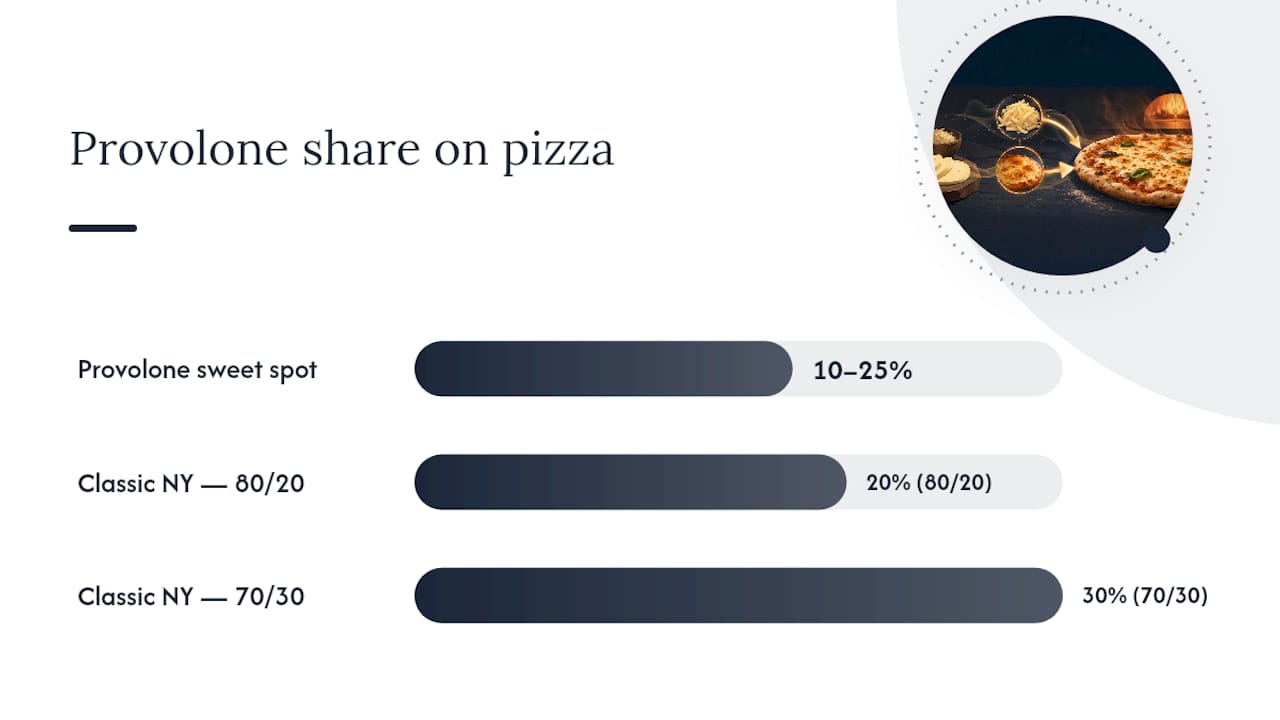
Provolone works best as the supporting player, not the lead. Push it too high and you lose stretch, and the extra fat and oil released during baking can pool on top. Professional guidance from Goodfellas Pizza School puts the sweet spot at 10 to 25% of total cheese weight, and classic New York shops often land closer to a 70/30 or 80/20 mozzarella-to-provolone split, per The Pizza Craft’s style guide.
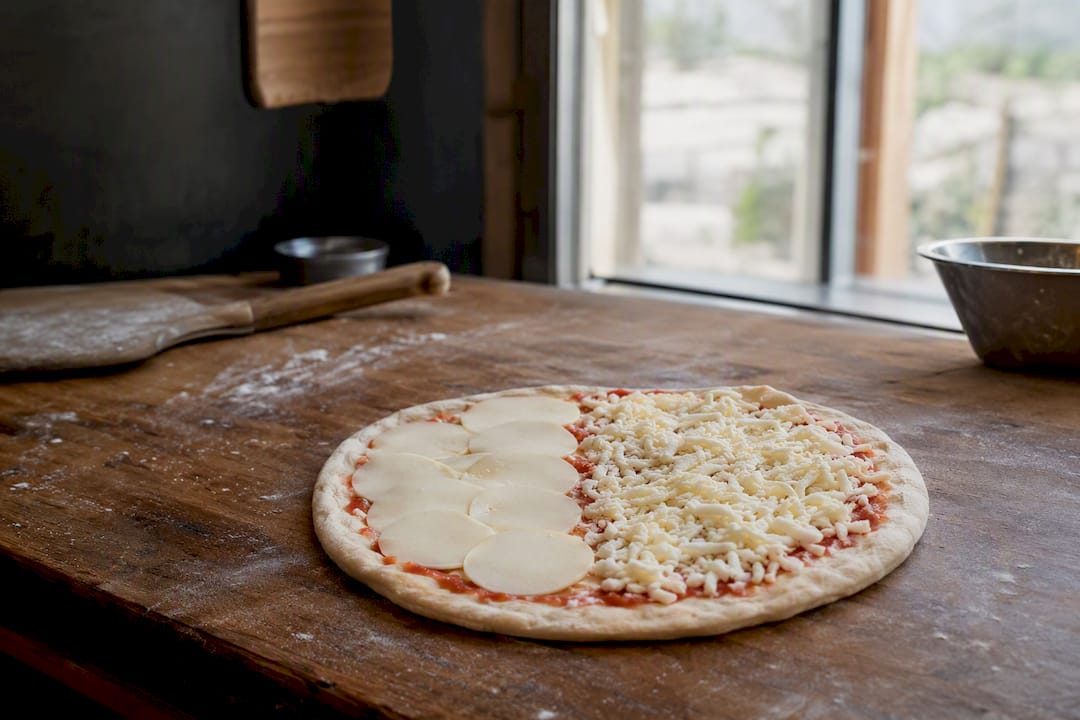
Pure provolone has a place, just a narrow one. A frico-style ring around the crust edge, or a few slices laid on after the bake as a finishing garnish, both work because you’re not asking a whole pizza’s worth of low-moisture cheese to stretch cleanly.
A few common home scenarios:
- Reheating leftovers: a blend with more mozzarella reheats more evenly than straight provolone, which can turn rubbery.
- Thin crust: keep provolone on the lower end of the range so the crust doesn’t buckle under extra oil.
- Thick or pan pizza: the higher end of the ratio works well since there’s more crust to absorb runoff.
How Do You Make a Two-Cheese Pizza at Home?
This is the workhorse combination worth mastering first: low-moisture mozzarella for stretch, provolone for flavor and color.
Ingredients (one 12 inch pizza):
- 1 ball 48-hour fermented Neapolitan pizza dough
- 3/4 cup crushed San Marzano-style tomatoes, lightly seasoned with salt
- 4 ounces low-moisture whole-milk mozzarella, block-shredded
- 1 ounce provolone dolce (mild), block-shredded
- 1 tablespoon extra virgin olive oil
- Fresh basil, torn, to finish
Equipment: a pizza stone or steel, a peel, and an oven that can hold a stable high temperature. Preheat the stone or steel on the middle-to-upper rack for a full 45 minutes at your oven’s maximum setting, usually somewhere near 500°F to 550°F.
Method:
- Stretch the dough on a floured surface, working from the center out, leaving a slightly thicker rim for the crust.
- Transfer to a floured peel and top with sauce, spreading it thin, right to the edge of the sauced area.
- Scatter the mozzarella evenly, then sprinkle the provolone over the top in a light, even layer rather than clumps.
- Drizzle with olive oil.
- Slide onto the preheated stone and bake until the crust is deeply spotted and the cheese has browned in patches, typically 6 to 9 minutes at high home-oven heat.
- Rest 2 minutes before slicing, then finish with torn basil.
If your dough handling needs a refresher, our guide to Neapolitan pizza dough covers stretching technique and oven setup in more depth.
Troubleshooting: Greasy top usually means too much provolone or cheese piled too thick in the center. Underbrowned top means your oven ran cooler than expected. Try moving the rack up. A soggy center almost always traces back to sauce spread too heavy or too close to the crust.
How Do You Make a Provolone and Prosciutto Pizza Bianca?
Pizza bianca skips the red sauce entirely, which puts provolone front and center as the main flavor driver rather than a supporting note.
Ingredients (one 12 inch pizza):
- 1 ball Neapolitan pizza dough
- 3 ounces low-moisture mozzarella, shredded
- 2 ounces provolone, half shredded and half in thin slices
- 2 tablespoons ricotta, dotted across the surface
- 3 to 4 slices prosciutto, added after baking
- Extra virgin olive oil
- Handful of arugula and shaved parmesan to finish
Assembly and bake:
- Stretch the dough and lightly brush the surface with olive oil instead of sauce.
- Dot ricotta across the dough, then layer shredded mozzarella and shredded provolone evenly.
- Lay the thin provolone slices over the top. They’ll brown into crisp, lacy patches that a shredded layer alone won’t produce.
- Bake at high heat until the cheese is deeply golden in spots, watching closely in the last 2 minutes since provolone colors faster than mozzarella.
- Pull the pizza and immediately drape the prosciutto over the hot surface. Adding it after the bake keeps the meat tender instead of crisping into jerky.
- Top with arugula, shaved parmesan, and a final drizzle of olive oil.
Pair this one with a crisp white wine or a light Italian lager. For more on timing prosciutto correctly, see our guide to prosciutto on pizza.
How Do You Prevent a Greasy or Unevenly Browned Top?
Rack position matters more than most home cooks assume. Set your stone or steel in the upper third of the oven if your setup runs cooler on top, since that positions the cheese closer to the heat source doing the browning work.
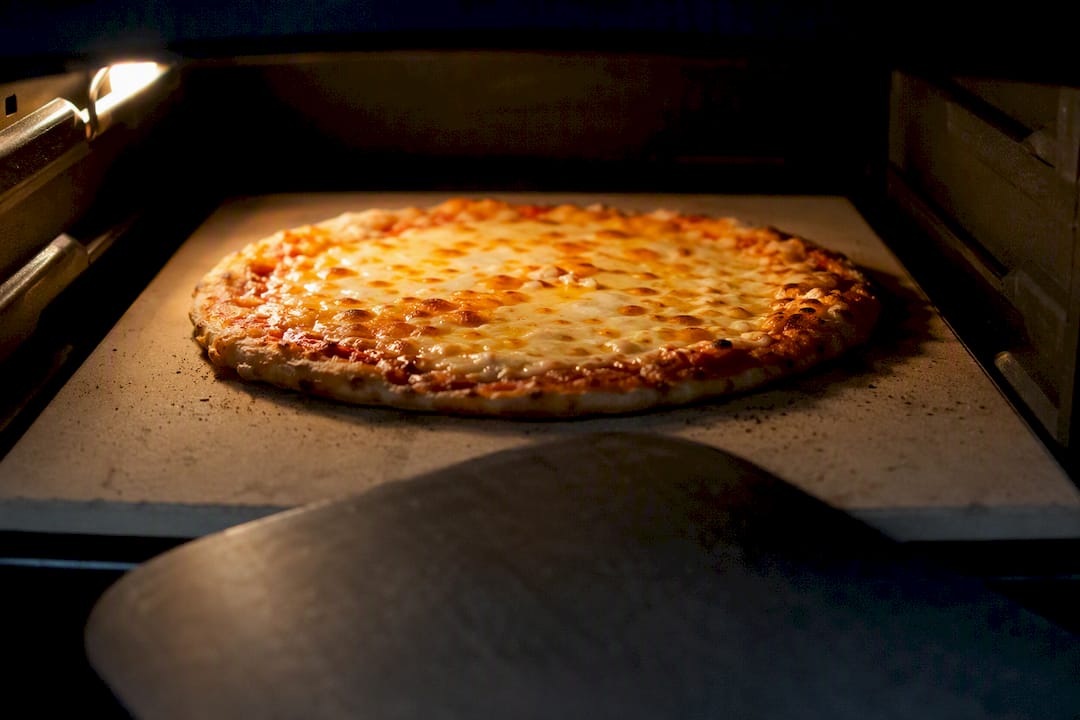
Slices concentrate fat in one spot, shreds distribute it.
Reheating leftover pizza in a dry skillet over medium heat, covered for the last minute, restores a crisp bottom and keeps the provolone from going rubbery the way a microwave will.
Pro Tip: If your pizza consistently comes out greasy, blot the top with a paper towel for 2 seconds right out of the oven. It pulls off surface oil without disturbing the cheese layer underneath.
When Should You Use Scamorza Instead of Provolone?
Scamorza is provolone’s closer, milder cousin. It’s a pasta filata cheese too, but it’s typically less aggressively aged, and it comes in a smoked version called scamorza affumicata that’s become a favorite for wood-fired-style pies, per Wikipedia’s overview of scamorza production.
Compared to provolone, scamorza tends to melt with a cleaner, less oily finish, which makes it a strong swap when you want browning without the grease risk provolone can carry at higher ratios, according to Eating Around Italy’s guide to the cheese. Our Granarolo smoked scamorza works well used the same way you’d use smoked provolone: sparingly, as an accent rather than the whole cheese layer.
For dietary swaps, a low-fat mozzarella blend can stand in for provolone’s browning, though you’ll lose some of the sharp flavor.
What’s the Verdict on Provolone After All This Testing?
Provolone’s biggest strength on pizza has nothing to do with stretch, and treating it like a mozzarella substitute is the mistake most home cooks make. It’s a flavor and color tool, full stop. If you want the fuller comparison against mozzarella and other melting cheeses, our guide to the best cheeses for pizza covers that ground in more detail.
Where Can You Get Provolone-Ready Dough and Toppings?
Getting the blend ratios right only matters if your dough can handle the extra fat and heat these recipes call for. Doughdorks makes that part simple: our 48-hour fermented dough balls are built with enough structure to brown properly under a heavier cheese load, instead of collapsing into a soggy center the way thin, quick-rise dough does.

If you’d rather skip the stretch-and-shape step entirely, our pre-cooked Neapolitan bases get you to the topping stage in minutes, and they hold up just as well under a provolone and mozzarella blend. Pair either option with cheeses and cured meats from our pizza toppings collection, all shipped together so nothing arrives out of order.
On arrival, refrigerate dough balls immediately and use provolone within a few days of opening for the best melt. Ready to build the two-cheese pizza above tonight? Start with a 48-hour Neapolitan dough ball and work backward from there.
Sources
- Provolone vs Mozzarella: How to Use Provolone and Mozzarella | MasterClass
- Best Cheese for Pizza: A Style-by-Style Guide to Melt | The Pizza Craft
- The Best Pizza Cheeses (and How to Use Them) - GOODFELLAS PIZZA SCHOOL NEW YORK
- Scamorza - Wikipedia
Recommended
- Prosciutto on Pizza: Easy Recipes and Tips for Home Cooks
- Best Cheeses for Pizza: A Home Cook’s Guide
- The Best Mozzarella for Pizza: A Home Cook’s Guide
- Anchovies on Pizza: What Home Cooks Need to Know
READY-MADE • FROZEN • UK DELIVERY
Skip the mixing. Keep proper dough in your freezer.
48-hour fermented, individually proofed in their own pot and delivered frozen across the UK. Defrost, stretch, top and bake.
-
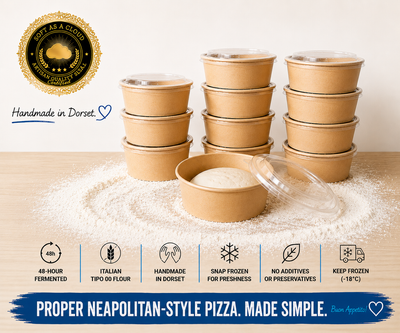 48-Hour Neapolitan-Style Pizza Dough Balls – Box of 12
£22.88
48-Hour Neapolitan-Style Pizza Dough Balls – Box of 12
£22.88
-
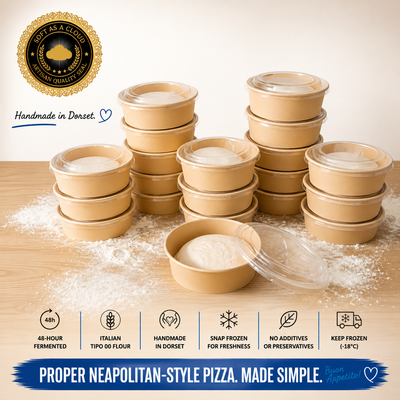 48-Hour Neapolitan-Style Pizza Dough Balls – Box of 20
£32.30
48-Hour Neapolitan-Style Pizza Dough Balls – Box of 20
£32.30
-
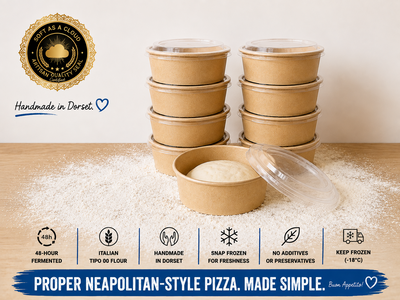 48-Hour Neapolitan-Style Pizza Dough Balls – Box of 8
£18
48-Hour Neapolitan-Style Pizza Dough Balls – Box of 8
£18
Handmade in Dorset • Free UK delivery over £50 • Free proofing pot with every dough ball