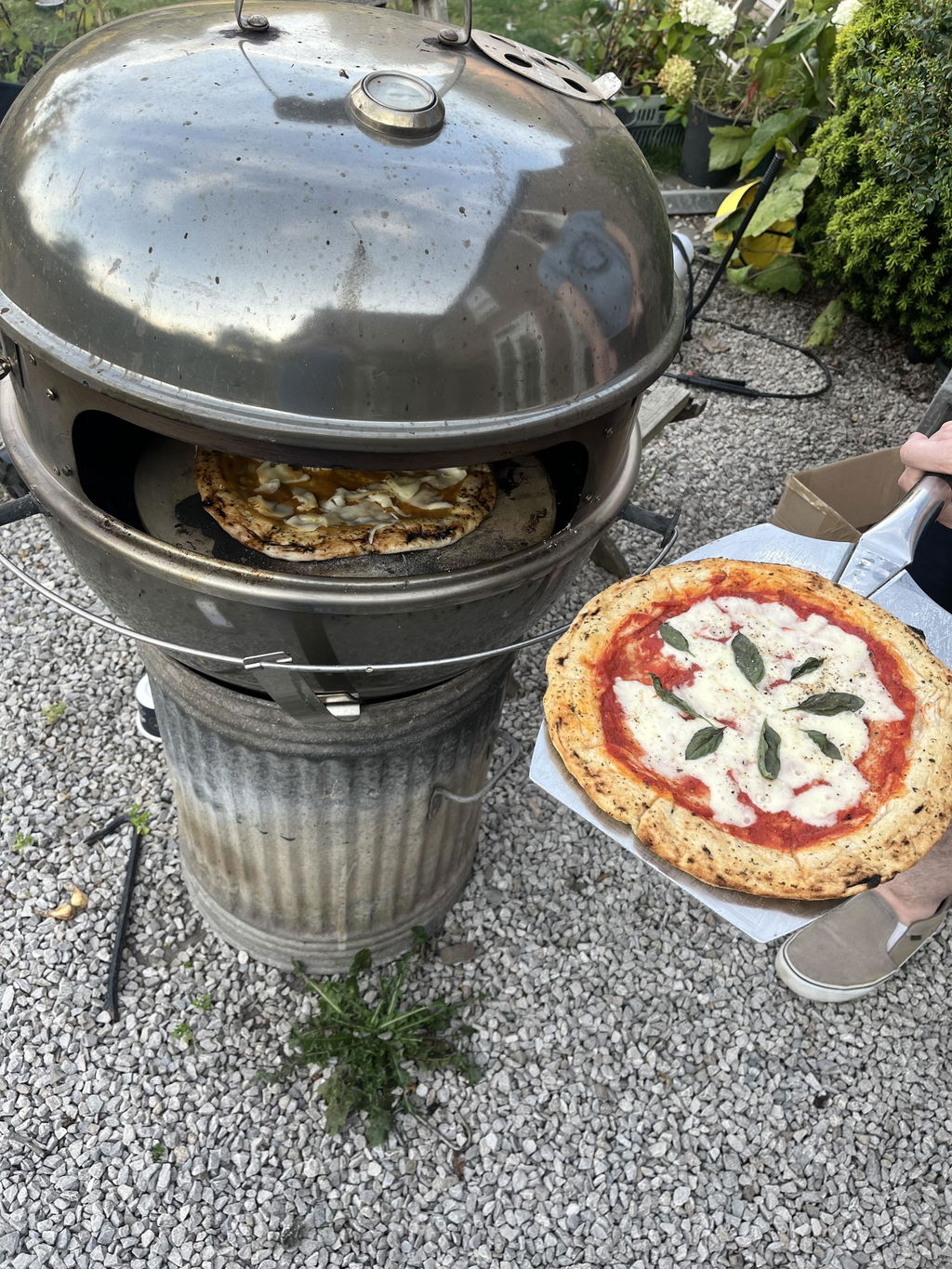
Best Pizza Dough Balls UK (2026): What to Look For
Share
Looking for the best pizza dough balls in the UK? Compare fermentation, flour, portion size, frozen storage and oven suitability before you buy.
UK quick answer: look for pizza dough balls made with strong pizza flour, given enough fermentation time, portioned for your preferred pizza size and frozen only after the dough has developed properly. If you want that work done for you, browse our frozen pizza dough balls, handmade in Dorset and slow-fermented for 48 hours.
For most home cooks, the best pizza dough balls are 48–72 hour fermented Neapolitan-style dough balls, and Dough Dorks’ 48-hour Neapolitan dough balls are the practical pick. Made with Italian 00 flour and fresh yeast, they arrive frozen for freshness, ready to defrost and relax before stretching, and the extended fermentation does the flavor work you’d otherwise spend days trying to replicate from scratch.
Why does fermentation time matter so much? Longer fermentation develops organic acids and esters that give Neapolitan crust its characteristic tang and chew. A 48-hour dough baked at high heat blisters and chars in a way that a same-day dough simply cannot match.
If you can’t get long-fermented dough right now, here are the next-best options:
- Grocery refrigerated dough (UK supermarket chilled dough): best for weeknight convenience, decent flavor, no thaw time needed
- Premium frozen dough balls (formulated for high-heat ovens): solid char and airy interior when paired with a pizza oven
- Shelf-stable dry mix: lowest bar for flavor and texture, but workable in a pinch
Pro Tip: Pull refrigerated dough from the fridge 60–90 minutes before stretching. Cold dough fights you. Let it warm on a lightly floured surface, covered loosely, and it’ll stretch without tearing.
Table of Contents
- Where can you buy pizza dough balls?
- What types of store-bought dough balls should you know about?
- How do you choose the right dough ball for your setup?
- How to handle, thaw, proof, and stretch dough balls step by step
- Why do 48–72 hour fermented dough balls outperform quick doughs?
- What’s the verdict? The recommended buy for most home cooks
- What additives and preservatives should you watch for in store-bought dough?
- How to customize and enhance store-bought dough balls
- Key Takeaways
- The case for buying your fermentation rather than doing it yourself
- Get Dough Dorks’ 48-hour Neapolitan dough balls delivered
- Useful sources and further reading
Where can you buy pizza dough balls?
Your options range from the corner pizzeria to your own kitchen, and each channel involves a real tradeoff between quality, cost, and convenience.
- Local pizzeria or bakery: Many will sell raw dough balls directly if you ask. Quality is often excellent since they’re using the same dough they bake with. Many charge per dough ball, typically at a price that varies depending on the bakery or pizzeria. The catch: you need to call ahead, and supply is inconsistent.
- Grocery store refrigerated dough: Widely available, no thaw time, and fresh/refrigerated bakery doughs consistently outperform dry mixes in taste tests for texture and rise. Chilled supermarket dough can be convenient for same-day pizza, but fermentation time and dough quality vary considerably by brand.
- Premium frozen dough balls: Designed for high-heat performance. Premium frozen doughs made with 00 flour retain char and an airy interior when baked in a pizza oven. They ship frozen and can be stored for months.
- Online artisan sellers (including Dough Dorks): The best source for long-fermented, minimal-ingredient dough. Dough Dorks ships handcrafted 48-hour dough balls direct to your door. You also get sourdough options if you want that extra tang.
- DIY from a dry mix: Lowest cost, most control, but also the most work and the least flavor payoff. Fine for beginners learning to handle dough, less satisfying once you’ve tasted a properly fermented crust.
For frozen logistics: frozen dough balls ship well and can be stored for up to 3 months when individually sealed. Refrigerated dough has a shorter window, typically a few days to a week, so plan your pizza night before ordering.
What types of store-bought dough balls should you know about?
Not all dough balls are built the same, and the type you choose affects everything from how long you need to plan ahead to what your crust actually tastes like.
Fresh/refrigerated dough is the most accessible. It’s ready to proof and stretch within an hour or two of pulling it from the fridge. Flavor is decent but rarely complex, because most commercial refrigerated doughs ferment for only a short time.

Frozen premium dough balls are engineered for performance. The best ones use 00 flour and are blast-frozen to lock in freshness after minimal-ingredient mixing. They’re a strong choice if you have a high-heat pizza oven and want consistent results without ordering fresh every week.
48–72 hour long-fermented dough balls are the gold standard for flavor. The extended cold fermentation breaks down starches and develops gluten in a way that shorter doughs can’t replicate. You get a more open crumb, better blistering, and a crust with actual depth of flavor.
Sourdough dough balls use a live starter instead of commercial yeast. The result is a tangier, more complex crust with a slightly denser chew. Dough Dorks offers a 48-hour sourdough option for home cooks who want that extra layer of fermentation character.
Shelf-stable dry mixes are the most convenient to store but the least rewarding to eat. They typically use all-purpose flour and chemical leaveners, which means less chew and no fermented flavor.
How flour type affects your crust
Italian 00 flour is finely milled and lower in protein than American bread flour, which produces a silkier, more extensible dough. It stretches without snapping back and blisters beautifully at high heat. All-purpose flour works but tends to produce a chewier, denser crust that’s harder to stretch thin.
Sizing guide
| Dough type | Best use case | Storage | Thaw/proof time |
|---|---|---|---|
| Fresh/refrigerated | Weeknight pizza, quick prep | kept refrigerated for several days | needs time to come to room temperature before use |
| Frozen premium (00 flour) | High-heat pizza oven, consistent results | can be stored frozen for up to 3 months | requires thawing and room temperature proofing before use |
| Long-fermented | Neapolitan, flavor-forward, any oven | kept refrigerated for a few days | requires several hours of room temperature proofing |
| Sourdough | Complex flavor, artisan style | kept refrigerated for a few days | requires several hours of room temperature proofing |
| Dry mix | Beginner practice, pantry backup | shelf-stable for extended periods | needs preparation and resting time after mixing |

Ball weight to pizza size: 200–250g produces a 10–12" pizza. 280–320g gives you a 12–14" pie. For a standard home pizza night with four people, four 250g balls is a reliable starting point.
How do you choose the right dough ball for your setup?
The right dough ball depends on three things: your oven, your schedule, and the crust you’re after. Here’s how to think through it.
- High-heat pizza oven (700°F+): Go long-fermented or premium frozen 00 flour dough. These ovens expose every flaw in cheap dough. A 48-hour fermented ball will blister and char correctly; a basic refrigerated dough may go pale and tough.
- Standard home oven (500–550°F max): Refrigerated dough or long-fermented both work. A pizza stone or steel helps significantly. Preheat the stone for at least 45 minutes.
- Neapolitan char and leopard spotting: You need 00 flour and long fermentation. No shortcut here.
- New York-style chew: Refrigerated dough with a higher hydration works well. Bread flour or all-purpose gives you the chew New York-style needs.
- Tight schedule (pizza tonight): Refrigerated grocery dough. Pull it out 90 minutes before you bake.
- Planning ahead: Order long-fermented dough balls and give yourself a 2–4 hour room-temperature proof after refrigerator storage.
Allergens and ingredient transparency
Read the label before you buy. Many commercial doughs contain dough conditioners (DATEM, ascorbic acid), soybean oil instead of olive oil, and added sugars. If you’re buying for someone with a wheat allergy, standard pizza dough is not safe. For gluten-free options, some specialty retailers offer alternative-flour dough balls. A good resource for understanding gluten-free dough alternatives can help you think through flour substitutions and what to expect from the texture.
Pro Tip: Match ball weight to your pizza diameter before you buy. If you’re feeding four people and want 12" pies, order four 250g balls. Ordering by count without checking weight is the most common sizing mistake home cooks make.
How to handle, thaw, proof, and stretch dough balls step by step
Pre-portioned dough balls remove the guesswork from quantity control, so the main skill left to develop is handling. Here’s the workflow that gets the best results.
- Thaw frozen dough: Keep each dough ball in its proofing pot and allow it to defrost fully, then relax towards room temperature (around 18–20°C) before stretching.
- Cold proof: Dough Dorks has already completed the 48-hour fermentation before freezing. Once defrosted, keep the dough in its pot and give it time to soften and relax before stretching.
- Room-temperature final proof: Once fully defrosted, leave the dough in its proofing pot until it feels soft, relaxed and easy to stretch. Judge readiness by feel rather than a rigid clock time.
- Check readiness: Press a finger gently into the dough. If it springs back slowly and holds a slight indent, it’s ready. If it springs back instantly, give it more time. If it doesn’t spring back at all, it’s overproofed.
- Stretch the dough: Press from the center outward with your fingertips, leaving a 1" border for the crust. Drape it over your knuckles and let gravity do the stretching. Never use a rolling pin; it presses out the gas bubbles you spent hours developing.
- Troubleshoot: Sticky dough means it needs more flour on the surface, not more kneading. Tearing means the gluten is tight; rest it for 10 minutes and try again. Underproofed dough resists stretching and snaps back.
- Bake: For a home oven, use a preheated pizza stone or steel at maximum temperature. Slide the pizza on quickly. For a pizza oven, target 750–900°F on the stone surface and rotate the pizza every 20–30 seconds.
Pro Tip: Brush the outer crust edge with a thin layer of extra virgin olive oil just before baking. It promotes browning and blistering in a home oven that can’t quite reach Neapolitan temperatures.
Why do 48–72 hour fermented dough balls outperform quick doughs?
The short answer: time does what ingredients alone cannot. During a long cold ferment, yeast and bacteria produce organic acids, carbon dioxide, and flavor compounds that give Neapolitan crust its signature tang, chew, and open crumb structure. A same-day dough, even made with identical ingredients, simply hasn’t had time to develop those compounds.

Gluten development is the other factor. Extended fermentation allows gluten strands to align and relax fully, which means the dough stretches further without tearing and holds gas more efficiently during the bake. That gas retention is what creates the large, irregular air pockets in a properly baked Neapolitan crust.
Consumer testing by outlets like Camille Styles and Sporked consistently places fresh and refrigerated bakery-style doughs above dry mixes for texture and rise. Reviewer panels judge on crisp outer crust, chewy base, and balanced flavor. Long-fermented doughs score highest on all three.
When tasting or evaluating a dough ball before you commit to a brand, look for: a mild fermented tang when raw, visible gas bubbles in the dough, and a surface that feels slightly tacky but not wet. After baking, the crust should have irregular blistering (leopard spotting), a light char on the cornicione, and a crumb that’s open and slightly chewy rather than dense and bready.
What’s the verdict? The recommended buy for most home cooks
If you want restaurant-quality results without mastering dough fermentation yourself, buy Dough Dorks’ 48-hour Neapolitan dough balls. The fermentation is done for you, the flour is Italian 00, and the dough arrives frozen for freshness, ready to defrost and relax before stretching and bake. That’s the whole value proposition, and it’s a strong one.
For a first test bake, here’s what to order:
- Start with the box of 8 (Dough Dorks 8-pack): enough for two pizza nights, low commitment, easy to evaluate
- Ball weight: Check the product page for current weight; aim for 250g per ball for a 12" pizza
- Frozen vs refrigerated: Dough Dorks ships frozen dough balls, so keep them frozen until needed and defrost only what you plan to use
- Cost per pizza: Artisan long-fermented dough costs more per ball than grocery refrigerated, but the quality gap is significant enough to justify it for any occasion beyond a Tuesday-night quick dinner
Pro Tip: Order the box of 20 if you’re planning a pizza night with friends. The per-ball cost drops, and having extra balls in the freezer means you can do a second bake the next day with zero additional prep.
What additives and preservatives should you watch for in store-bought dough?
Most grocery store dough balls include at least a few additives that extend shelf life or improve machinability. None are dangerous in small amounts, but they do affect flavor and texture in ways worth knowing.
DATEM (diacetyl tartaric acid ester of mono- and diglycerides) is a dough conditioner that strengthens gluten structure and improves volume. It’s common in commercial doughs and generally harmless, but it signals a dough that’s been engineered for shelf stability rather than flavor.
Ascorbic acid (vitamin C) is used as a flour improver to speed up gluten development. It’s not harmful, but its presence usually means the dough hasn’t been given time to ferment naturally.
Soybean or canola oil replaces olive oil in most budget doughs. The flavor difference is noticeable, especially in the crust edge.
Added sugars (dextrose, corn syrup) help browning in low-heat ovens but can make the crust taste slightly sweet in a way that clashes with savory toppings.
Calcium propionate is a mold inhibitor common in packaged doughs with longer shelf lives. It’s effective but can slightly suppress yeast activity, which affects rise.
The cleanest dough balls carry a short ingredient list: flour, water, salt, yeast, and sometimes olive oil. Artisan sellers and long-fermented options like Dough Dorks’ dough balls use minimal ingredients by design, which is one of the clearest quality signals you can look for.
How to customize and enhance store-bought dough balls
Store-bought dough is a starting point, not a ceiling. A few simple additions before or during the proof can meaningfully change the flavor profile of your finished crust.
Herb infusion: Press dried or fresh herbs (rosemary, thyme, oregano) into the surface of the dough ball during the final room-temperature proof. They’ll bake into the crust and perfume the whole pizza. Dough Dorks even offers a ready-made Italian herb dough ball if you want that flavor without the extra step.
Garlic oil: Brush the stretched dough with a thin layer of garlic-infused olive oil before adding toppings. It adds depth without overpowering the sauce.
Chili heat: Work a pinch of red pepper flakes or a small amount of chili paste into the dough surface before stretching. For something more intense, Dough Dorks’ Carolina Reaper chili dough is a ready-made option.
Semolina dusting: Use semolina flour instead of all-purpose for dusting your work surface and peel. It adds a subtle nuttiness to the crust bottom and prevents sticking more effectively than regular flour.
Honey or malt: A small amount of honey worked into the dough surface before the final proof promotes browning and adds a faint sweetness that works well with prosciutto or fig toppings.
One thing to avoid: don’t add salt directly to the dough surface. It draws out moisture and can create wet patches that tear during stretching. Season your toppings instead.
Key Takeaways
Long-fermented, 00-flour dough balls consistently outperform quick doughs on flavor, texture, and oven spring, making Dough Dorks’ 48-hour Neapolitan dough balls the recommended starting point for home cooks who want pizzeria-grade results.
| Point | Details |
|---|---|
| Best dough type | 48–72 hour fermented Neapolitan-style dough balls deliver the best flavor and crust texture for most home cooks. |
| Sizing rule | Use 200–250g per ball for a 10–12" pizza; 280–320g for a 12–14" pie. |
| Handling essentials | Rest dough at room temperature for 2–4 hours before stretching; never use a rolling pin on fermented dough. |
| Additives to avoid | Look for short ingredient lists; avoid doughs with DATEM, calcium propionate, or added sugars when quality matters. |
| Recommended buy | Dough Dorks’ 48-hour Neapolitan dough balls use Italian 00 flour and fresh yeast, with a box of 8 as the ideal first order. |
The case for buying your fermentation rather than doing it yourself
Most pizza content tells you to make your own dough. That’s fine advice if you enjoy the process, but it misses something: the hardest part of great Neapolitan pizza isn’t the stretching or the baking. It’s the 48-hour wait, the temperature management, and the consistency across batches. Get that wrong once and you’re eating dense, under-flavored crust on a Friday night when you had plans.
Buying a properly fermented dough ball from a specialist like Dough Dorks doesn’t mean you’re cutting corners. It means you’re sourcing the hardest part of the process from someone who does it every day with the right flour and the right timing. What you control is still the most fun part: the stretch, the toppings, the oven, the timing. That’s where home cooks actually develop skill.
The one honest tradeoff is planning. Long-fermented dough balls need to be ordered ahead and proofed properly on the day. If you want pizza in 45 minutes with zero planning, grocery refrigerated dough is the right call. But if you’re setting up a proper pizza night, the Dough Dorks dough is worth the lead time every time.
Get Dough Dorks’ 48-hour Neapolitan dough balls delivered
Dough Dorks makes it straightforward to get restaurant-quality dough at home without the fermentation work. Their 48-hour Neapolitan dough balls are handcrafted with Italian 00 flour, fresh yeast, and extra virgin olive oil, then fermented for a full 48 hours before shipping.

For a first order, the box of 8 is the right size to run two proper pizza nights and compare the results against whatever you’ve been using. If you want variety, the mixed triple-flavor 12-pack includes classic, Italian herb, and specialty flavors so you can find your favorite before committing to a larger order. Frequent bakers will get the best value from the box of 20. Browse the full range and place your order at the Dough Dorks dough ball collection.
Useful sources and further reading
For readers who want to go deeper on testing methodology, oven technique, or fermentation science, these sources are worth your time.
- The Best Premade Pizza Dough, Tested and Reviewed — Camille Styles: A hands-on taste test of grocery and specialty doughs, ranked by texture, rise, and flavor. Good for understanding how refrigerated options compare.
- We Taste Tested the Best Store-Bought Pizza Dough — Sporked: Independent panel testing across frozen, refrigerated, and tube doughs, judged on crust crispness, chew, and flavor balance.
- 6 Best Frozen Pizza Doughs for Your Pizza Oven — Sabra Pizza: Focused on high-heat oven performance; useful if you’re baking in a dedicated pizza oven and want to understand how premium frozen doughs behave.
- Pizzeria-Quality Pizza in the Home Oven — Alfa Forni: Covers temperature management, the “rule 55” for dough calculation, and how to get the most from a standard home oven setup.
- Sourdough Pizza Dough Balls — Woody Oven: A useful reference for understanding sourdough dough ball storage, fermentation claims, and what to expect from a live-starter dough versus commercial yeast.
- What to use instead of empanada dough — Empanadas.au: A cross-application look at dough substitutions and alternative flour options that offers useful perspective on how different dough types behave across cooking contexts.
Recommended
- Freshly Made Pizza Dough Balls Delivered | Best Pizza Dough Online
- Italian Herb Neapolitan Pizza Dough Balls | Dough Dorks
- 48-Hour Sourdough Pizza Dough Balls | Handmade Neapolitan Dough
- Authentic Neapolitan Pizza Dough Balls - Ready Made Box of 8