Artichokes on Pizza for Home Ovens: Half Inch Slices Stop Soggy Crust
Practical home oven guide to artichokes on pizza: drain and slice half inch, layer mozzarella under the hearts, and preheat 30–45 minutes.
Yes, artichokes belong on pizza, and the best route is jarred or canned artichoke hearts, drained hard and patted dry, or fresh hearts roasted first. Slice them about half an inch thick so they cook evenly and don’t turn mushy. From there, the process is simple: prep the artichokes, then build your pie with the right cheese layering underneath and around them.
TL;DR:
- Drained jarred or canned artichoke hearts marinated with oil and lemon juice provide the best texture and flavor for home pizza baking.
- Slice artichokes into half-inch pieces and pat them dry thoroughly to prevent excess moisture that causes soggy crusts.
- Use a high-hydration Neapolitan-style dough, preheated oven, and a hot stone or steel to achieve a crisp crust and proper baking time.
- Spread toppings evenly and limit overloads to promote proper hot air circulation, resulting in a blistered, brown edge.
- Finish baked pizza with a drizzle of olive oil and fresh lemon juice to enhance artichoke flavor and add brightness.
Table of Contents
- Ingredients You Need for Artichoke Pizza
- How to Prepare Artichokes for Pizza
- How to Assemble and Bake an Artichoke Pizza
- Best Topping Combinations for Artichoke Pizza
- Fixing Common Artichoke Pizza Problems
- Artichoke Pizza Recipe Variations to Try
- Why Consistent Ingredients Matter for This Recipe
- What Actually Matters in Artichoke Pizza (And What Doesn’t)
- Get the Dough and Toppings for These Recipes Without the Prep Work
- Sources
Ingredients You Need for Artichoke Pizza
A good artichoke pizza starts with a dough that can handle moisture without going limp. Whether you stretch your own or start with a pre-fermented ball, hydration matters: wetter doughs need a hotter oven and a shorter bake to avoid a gummy center. Preheating your oven, stone, or tray for a full 30 to 45 minutes before baking makes a bigger difference than almost any topping choice.
Here’s what a solid artichoke pizza calls for:
- Dough: a Neapolitan-style ball with decent hydration, room temperature before stretching
- Cheese: low-moisture mozzarella for structure, plus parmesan or pecorino for salt and bite
- Artichokes: canned, jarred, frozen, or fresh, sliced into roughly half-inch pieces
- Oil and acid: extra virgin olive oil and lemon juice, both for the marinade and the finish
- Seasonings: garlic, dried oregano, red pepper flakes, and flaky salt
For a white pie, swap in ricotta or a cream cheese and sour cream blend, which pairs especially well with spinach and artichoke. On the artichoke question itself, jarred hearts marinated in oil are the easiest option for a home cook. Canned artichoke hearts hold a tender texture under high heat far more reliably than raw fresh ones, which need extra cooking before they ever touch the pizza. Frozen artichoke hearts split the difference: thaw and drain them fully before slicing.
How to Prepare Artichokes for Pizza
Moisture is the enemy here, full stop. Artichoke hearts, whether canned or jarred, arrive packed in liquid or oil, and that liquid is exactly what turns a crisp crust into a soggy one if you skip the drying step.
- Drain the artichokes in a colander, then press them between paper towels or a clean dish towel.
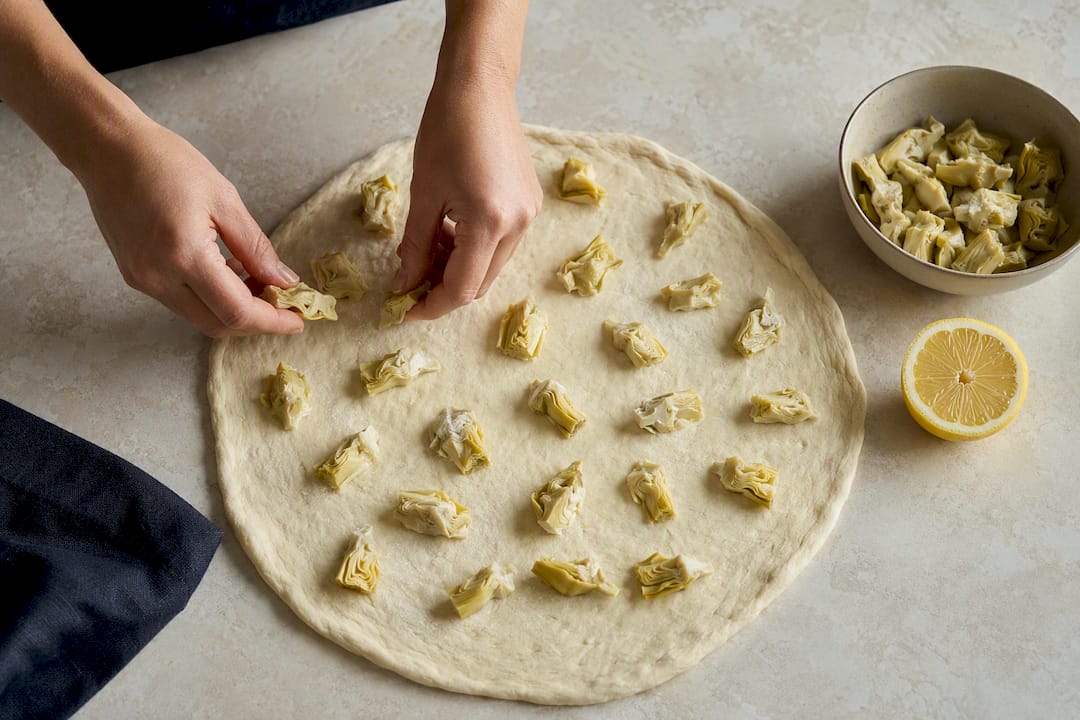
- Slice into roughly half-inch pieces so they cook at the same rate and distribute evenly across the pie.
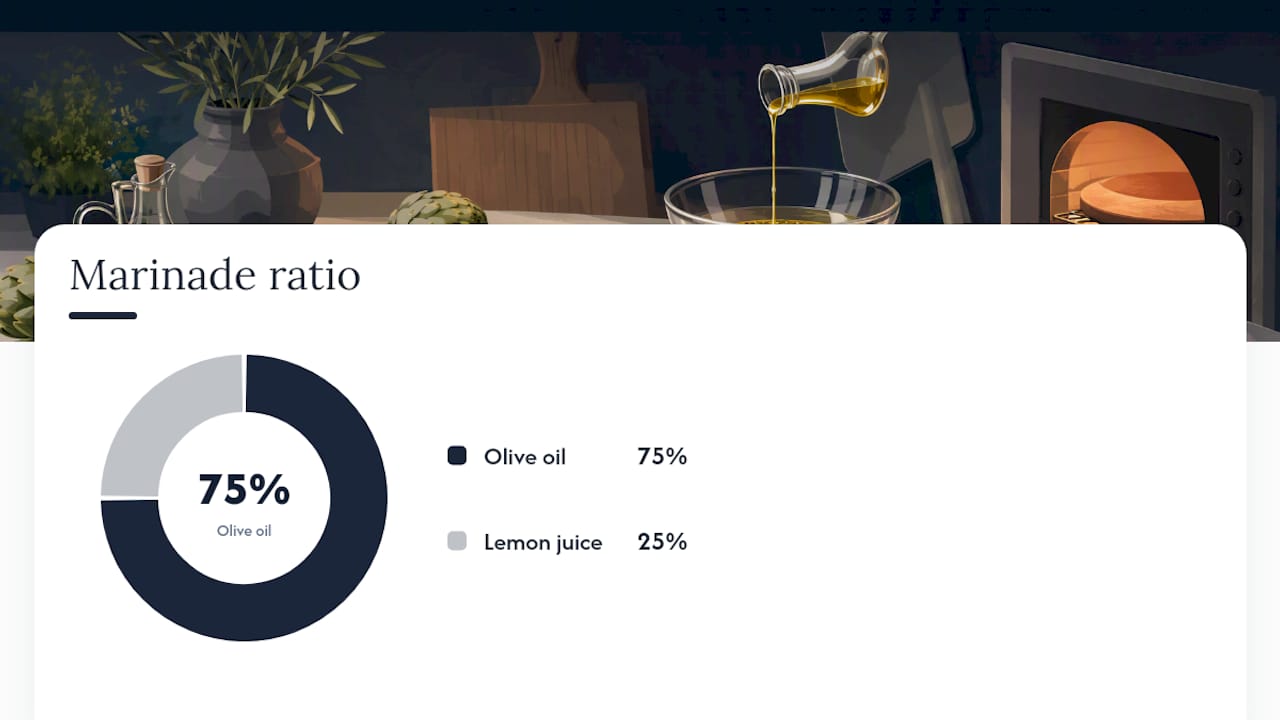
- Toss the sliced pieces in a quick marinade: olive oil, a squeeze of lemon juice, minced garlic, and a pinch of dried Italian herbs.
- Let that sit for at least 10 minutes before topping the dough, which is enough time for the flavor to soak in without adding back the moisture you just removed.
- If you’re working with fresh or frozen artichokes rather than canned or jarred, par-roast or grill them first at high heat for 8 to 10 minutes to drive off excess water and soften any fibrous parts.
Fresh artichokes that still feel stringy or tough after trimming usually need more cooking time before they hit the pizza. That fibrous texture doesn’t soften on a five-minute pizza bake.
Pro Tip: Skip bottled marinade shortcuts loaded with extra oil, and make your own with a 3-to-1 ratio of olive oil to lemon juice. It clings better to the artichoke pieces and doesn’t pool on the crust.
How to Assemble and Bake an Artichoke Pizza
Cheese placement decides whether your artichokes crisp up nicely or turn into charred flecks. Build a base layer of shredded low-moisture mozzarella first, since it melts evenly and acts as a buffer. Layering mozzarella around and over sharper cheeses protects those cheeses from burning while still letting them do their job.
Here’s the order that works best for a home oven:
- Stretch your dough and add a thin layer of sauce or olive oil base, if using one.
- Scatter mozzarella across the whole surface, leaving no bare patches near the edges.
- Distribute your drained, marinated artichoke pieces evenly, tucking some slightly under the cheese so they don’t dry out.
- Finish with a light grating of parmesan or pecorino on top for salt and browning.
Most home ovens top out between 450°F and 500°F, and a pizza at that range typically bakes in 8 to 12 minutes on a preheated stone or steel. A hotter setup, closer to 500°F with a well-preheated stone, tends to blister the crust in under 10 minutes without overcooking the toppings.
Dense toppings like artichoke hearts hold water even after draining, so don’t overload the pie. Spread pieces out rather than clumping them, which lets hot air circulate and gives you a blistered, browned edge instead of a steamed one. Once the pizza comes out, finish with a drizzle of good olive oil and a few drops of fresh lemon juice. That last splash of acid wakes up the artichoke flavor in a way that baking alone never quite achieves.
Best Topping Combinations for Artichoke Pizza
Artichoke works as a background player on a pizza, not the headliner. It has a mild, piquant quality that pairs best with saltier or more acidic partners rather than competing head-on with other bold flavors. Keep that in mind and these combinations practically build themselves:
- Spinach and parmesan or ricotta: the classic white pizza pairing, creamy and mild with just enough sharpness from the hard cheese.
- Prosciutto, lemon, and peppery arugula: salt from the cured meat plus acid from the lemon balances the artichoke’s earthy edge.
- Olives, cherry tomatoes, and oregano: a Mediterranean-leaning combination that leans into brightness and brine.
- Sun-dried tomatoes or capers: concentrated acidity that cuts through the richness of the cheese and oil.
If you’re building a meat-forward version, a well-made Italian sausage or cured meat adds fat and spice that artichoke happily supports without getting lost.
Fixing Common Artichoke Pizza Problems
Most artichoke pizza mistakes trace back to one issue: too much moisture, either from the artichokes themselves or from overloading the pie.
- Soggy crust: drain the artichokes hard, pat them dry, and consider par-baking your crust for two to three minutes before adding toppings.
- Burnt or dried-out artichoke bits: tuck pieces under the cheese layer instead of leaving them exposed, or add a portion of them halfway through the bake.
- Bland flavor: finish with fresh lemon juice, a drizzle of olive oil, or a hard cheese like parmesan grated right before serving.
- Uneven cooking: slice every piece to a consistent half-inch size and resist the urge to pile the whole jar onto one pizza.
Pro Tip: If your crust keeps coming out soft in the center, switch to a pre-cooked base for your next attempt. It removes the guesswork around raw dough hydration entirely.
Artichoke Pizza Recipe Variations to Try
Three variations cover most of what home cooks want from an artichoke pizza, and each one changes just a few core elements.
- Spinach-parmesan cream pizza: blend cream cheese or sour cream with a bit of garlic as your base instead of tomato sauce, then top with well-drained cooked spinach, artichoke pieces, mozzarella, and a finish of parmesan. This cream-based approach keeps the pie rich without turning watery, since the spinach is cooked and squeezed dry first.
- Mediterranean tomato pizza: use a light tomato sauce base, then add artichokes alongside olives and tomatoes for a bright, herb-forward pie finished with oregano and a touch of feta.
- Prosciutto and cheese pizza: build with mozzarella and artichoke as usual, then lay thin prosciutto slices on after baking so the heat doesn’t dry out the meat.
- Vegan version: swap mozzarella for a plant-based shred, use a cashew or tofu-based ricotta substitute, and finish with nutritional yeast or a squeeze of lemon for brightness.
Why Consistent Ingredients Matter for This Recipe
Getting artichoke pizza right at home comes down to controlling variables most recipes gloss over: dough hydration, moisture in your toppings, and oven heat. Doughdorks builds its dough balls through a 48-hour fermentation process with Italian 00 flour, which takes the guesswork out of one of the trickiest variables in the whole process. Pairing that with pre-drained, jarred artichoke hearts cuts prep time without sacrificing texture.
What Actually Matters in Artichoke Pizza (And What Doesn’t)
Most advice on artichoke pizza spends too much time debating fresh versus canned and not nearly enough on drying technique, which is the real variable that determines whether your pizza works. A perfectly fresh, hand-trimmed artichoke heart that goes onto the dough still wet will ruin a pie just as fast as a lazy, undrained jarred one.
The conventional wisdom oversells fresh artichokes as inherently superior. In practice, a well-drained jarred heart, marinated for ten minutes and sliced evenly, outperforms a poorly handled fresh one every time. Freshness matters less than technique here, and that’s a hard thing for food writers to admit when “fresh is best” makes for a cleaner headline.
If you take one thing from this guide, prioritize the drying and marinating step over agonizing about sourcing. Get the moisture control right, layer your cheese with intention, and pick one solid topping pairing instead of throwing five ingredients at the dough. That’s where the real difference in the finished pizza comes from, not the brand of jar on your shelf.
— Michael
Get the Dough and Toppings for These Recipes Without the Prep Work
Some suppliers offer ready-made dough balls that have been fermented and are ready to stretch, skipping the two-day wait that authentic Neapolitan dough usually demands.

The Italian Herb Neapolitan dough balls are a solid match for any of the recipes above, built with Italian 00 flour and extra virgin olive oil so the base holds up under wetter toppings like marinated artichokes. If you’d rather skip stretching dough altogether, the pre-cooked pizza bases get you from fridge to oven in minutes, which solves the soggy-crust problem before it starts. For the toppings themselves, the curated pizza toppings collection includes jarred artichoke hearts and cheeses picked to hold up under high heat, so you’re not guessing which brand drains well. Everything ships across the UK, ready to assemble the same night it arrives. Pick your dough, add the toppings from this guide, and get your next artichoke pizza in the oven this week.
Sources
- All choked up — PizzaToday
- A pizza snob’s approach to toppings — Serious Eats
- Spinach and artichoke pizza recipe — King Arthur Baking
- The best cheese for pizza — Gardners Wisconsin Cheese blog
Recommended
- Anchovies on Pizza: What Home Cooks Need to Know
- Prosciutto on Pizza: Easy Recipes and Tips for Home Cooks
- How to Par Bake Pizza Dough for a Crispier Crust
- Best Artisan Pizza Toppings for Restaurant-Quality Pizza at Home
READY-MADE • FROZEN • UK DELIVERY
Skip the mixing. Keep proper dough in your freezer.
48-hour fermented, individually proofed in their own pot and delivered frozen across the UK. Defrost, stretch, top and bake.
-
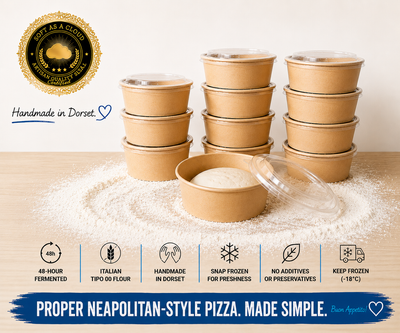 48-Hour Neapolitan-Style Pizza Dough Balls – Box of 12
£22.88
48-Hour Neapolitan-Style Pizza Dough Balls – Box of 12
£22.88
-
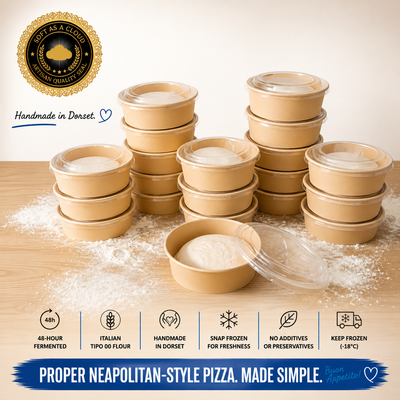 48-Hour Neapolitan-Style Pizza Dough Balls – Box of 20
£32.30
48-Hour Neapolitan-Style Pizza Dough Balls – Box of 20
£32.30
-
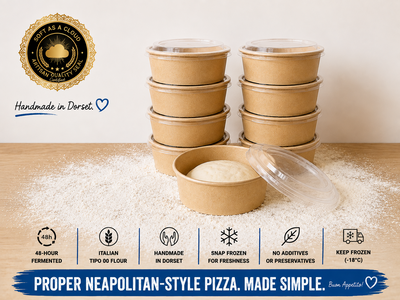 48-Hour Neapolitan-Style Pizza Dough Balls – Box of 8
£18
48-Hour Neapolitan-Style Pizza Dough Balls – Box of 8
£18
Handmade in Dorset • Free UK delivery over £50 • Free proofing pot with every dough ball