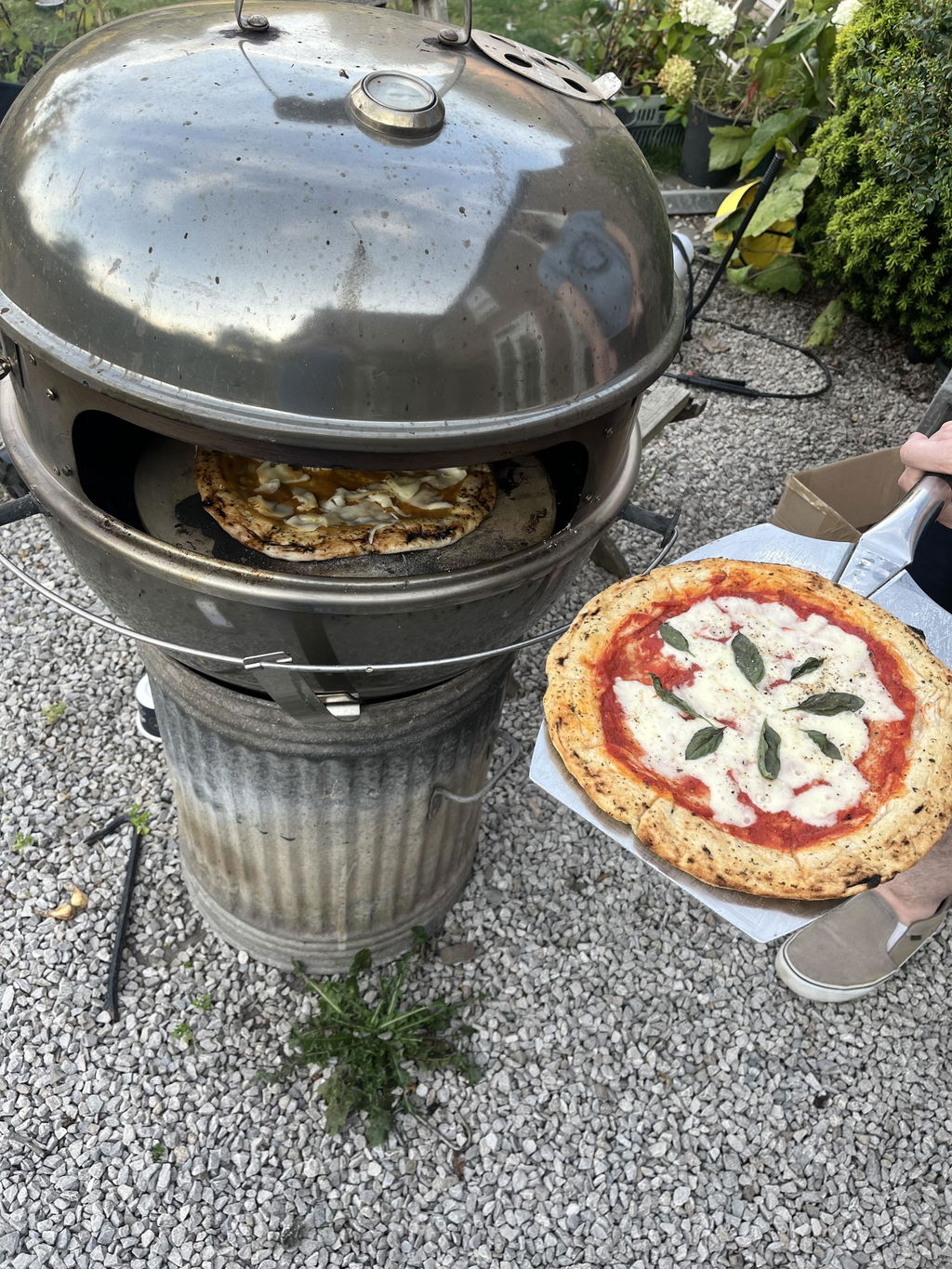
Frozen vs Fresh Pizza Dough: Which Is Better?
Fresh pizza dough and frozen pizza dough can both produce an excellent pizza. The real difference is convenience, consistency and how the dough is handled before and after freezing. Fresh dough gives you maximum control if you enjoy mixing and fermenting your own. Properly fermented frozen pizza dough gives you the same hands-on stretching and topping experience without having to make dough days in advance.
For most home pizza nights, a well-made frozen dough ball is the practical middle ground: keep it in the freezer, defrost only what you need, let it come fully to temperature, then stretch and bake as normal.
Frozen vs fresh pizza dough: the quick answer
| Frozen pizza dough | Fresh homemade dough | Pre-cooked pizza base | |
|---|---|---|---|
| Best for | Convenience without giving up hand-stretched dough | Maximum control over recipe and fermentation | Fastest possible pizza night |
| Preparation | Defrost, proof if needed, stretch and top | Mix, ferment, divide, proof and stretch | Add toppings and bake |
| Storage | Freezer | Fridge for a limited fermentation window | Freezer |
| Skill level | Easy to moderate | Moderate | Easy |
| Pizza style | Ideal when you still want a hand-stretched crust | Ideal for dough enthusiasts | Ideal for speed and consistency |
Is frozen pizza dough as good as fresh?
It can be. Freezing is not automatically what makes a dough good or bad. The important factors are the recipe, fermentation, proofing and the way the dough is frozen and defrosted. A badly handled dough can perform poorly whether it is fresh or frozen; a properly fermented dough that is frozen at the right stage can be extremely convenient and still stretch and bake very well.
Dough Dorks pizza dough balls complete a 48-hour fermentation before they are individually proofed and snap-frozen for freshness. That means the long fermentation has already happened before the dough reaches your freezer. You are not trying to rush a same-day dough from mixing bowl to oven.
What are the advantages of frozen pizza dough?
- It is ready when you are. Keep dough balls in the freezer and defrost only the number you need.
- The fermentation is already done. With properly prepared ready-made dough, there is no need to plan a two-day dough schedule at home.
- You still stretch the pizza yourself. Unlike a pre-cooked base, a frozen dough ball gives you the full hand-stretched dough experience.
- It reduces waste. Individual dough balls make it easy to use one or two pizzas' worth at a time.
- It works with different ovens. Once fully defrosted and relaxed, dough can be used in a dedicated pizza oven or a conventional home oven.
What are the advantages of fresh homemade pizza dough?
Making pizza dough from scratch gives you complete control. You can change hydration, flour, salt, yeast, ball weight and fermentation time to suit your oven and preferred pizza style. For people who enjoy dough making as much as pizza making, that control is part of the fun.
The trade-off is planning. A long-fermented dough needs time, fridge space and reasonably accurate timing. If plans change, you can end up with dough reaching its ideal window when you are not ready to bake. Frozen dough removes much of that scheduling pressure.
Does freezing pizza dough affect the texture?
The quality of the final crust depends more on preparation and defrosting than on the simple fact that the dough was frozen. The biggest mistake is trying to stretch dough while the centre is still cold. Cold dough feels tight, springs back and can tear because the gluten has not had time to relax.
For the best result, move the dough from the freezer to the fridge in good time, then let it finish coming to room temperature before stretching. Our step-by-step guide explains the process in How to Defrost Frozen Pizza Dough Balls Properly.
Frozen pizza dough balls vs supermarket pizza dough
Not all ready-made pizza dough is the same. Some chilled supermarket doughs are designed primarily around shelf life and convenience. A frozen dough ball can be prepared differently: the dough can be given a longer fermentation first, portioned into individual balls and then frozen at the point the producer wants to preserve it.
For pizza at home, look beyond the word “frozen” and check how the dough is made. Fermentation time, flour, ball size and handling instructions tell you far more about how useful the dough will be.
How much frozen pizza dough do you need?
A Dough Dorks standard dough ball is around 265g and is designed for approximately a 12-inch pizza, depending on how thinly you stretch it. Keeping the dough as individual balls makes portioning straightforward: one ball, one pizza.
If you are working out quantities for a group, see How Much Dough for a 12-Inch Pizza?.
When is a pre-cooked pizza base better?
If your priority is speed rather than working with raw dough, a pre-cooked base is even easier. There is no defrost-and-stretch stage: add sauce and toppings, then finish the pizza in the oven. This is useful for busy weeknights, parties or anyone who wants a more predictable result with minimal dough handling.
See our ready-made pre-cooked pizza bases if that sounds closer to what you need.
Which should you choose?
Choose fresh homemade dough if you enjoy the process and want total control over the recipe. Choose frozen pizza dough balls if you want a hand-stretched pizza without having to mix and ferment dough yourself. Choose a pre-cooked pizza base when speed and simplicity matter most.
For most people who want an authentic dough-making experience without the two-day preparation, frozen dough balls are the sweet spot.
Buying frozen pizza dough in the UK
Dough Dorks makes 48-hour fermented Neapolitan-style pizza dough balls, individually proofed and snap-frozen for freshness. They are delivered frozen across the UK so you can keep a supply ready for pizza night and defrost only what you need.
Shop frozen pizza dough balls or browse the guides below to get the best result from every ball.
Frozen pizza dough FAQs
Can you buy frozen pizza dough in the UK?
Yes. Ready-made frozen pizza dough balls can be ordered for UK delivery. Check the product instructions for storage and defrosting because different doughs are prepared differently.
Do you need to proof frozen pizza dough after defrosting?
That depends on when the dough was frozen. Dough that was proofed before freezing mainly needs to defrost fully and relax before stretching. Always follow the instructions supplied with the dough.
Can frozen pizza dough be used in a pizza oven?
Yes, once it is fully defrosted and ready to stretch. The dough itself should not be launched while frozen or cold in the centre.
Why does frozen pizza dough spring back?
The most common reason is that it is still too cold or has not had enough time to relax. Let it come fully to temperature and avoid forcing it. See Why Does Pizza Dough Keep Shrinking Back?.
Is frozen pizza dough better than a ready-made pizza base?
Neither is universally better. Frozen dough balls give you a hand-stretched crust and more involvement; a pre-cooked base is faster and easier. Choose based on how much time and dough handling you want on pizza night.
READY-MADE • FROZEN • UK DELIVERY
Skip the mixing. Keep proper dough in your freezer.
48-hour fermented, individually proofed in their own pot and delivered frozen across the UK. Defrost, stretch, top and bake.
-
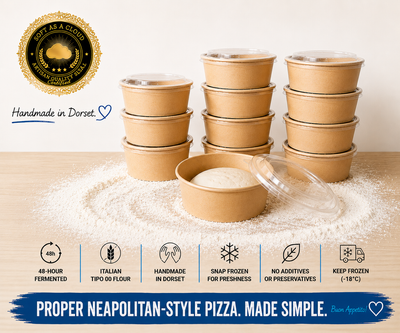 48-Hour Neapolitan Pizza Dough Balls – Box of 12
£26
48-Hour Neapolitan Pizza Dough Balls – Box of 12
£26
-
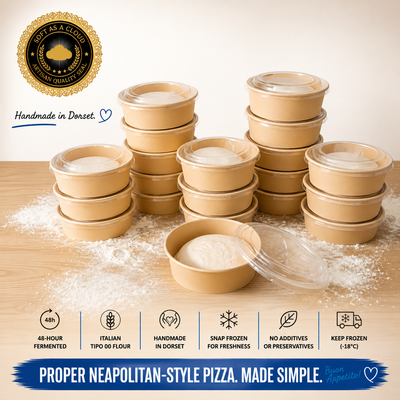 48-Hour Neapolitan Pizza Dough Balls – Box of 20
£38
48-Hour Neapolitan Pizza Dough Balls – Box of 20
£38
-
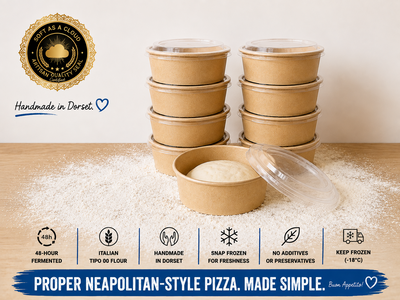 48-Hour Neapolitan Pizza Dough Balls – Box of 8
£20
48-Hour Neapolitan Pizza Dough Balls – Box of 8
£20
Handmade in Dorset • Free UK delivery over £50 • Free proofing pot with every dough ball