


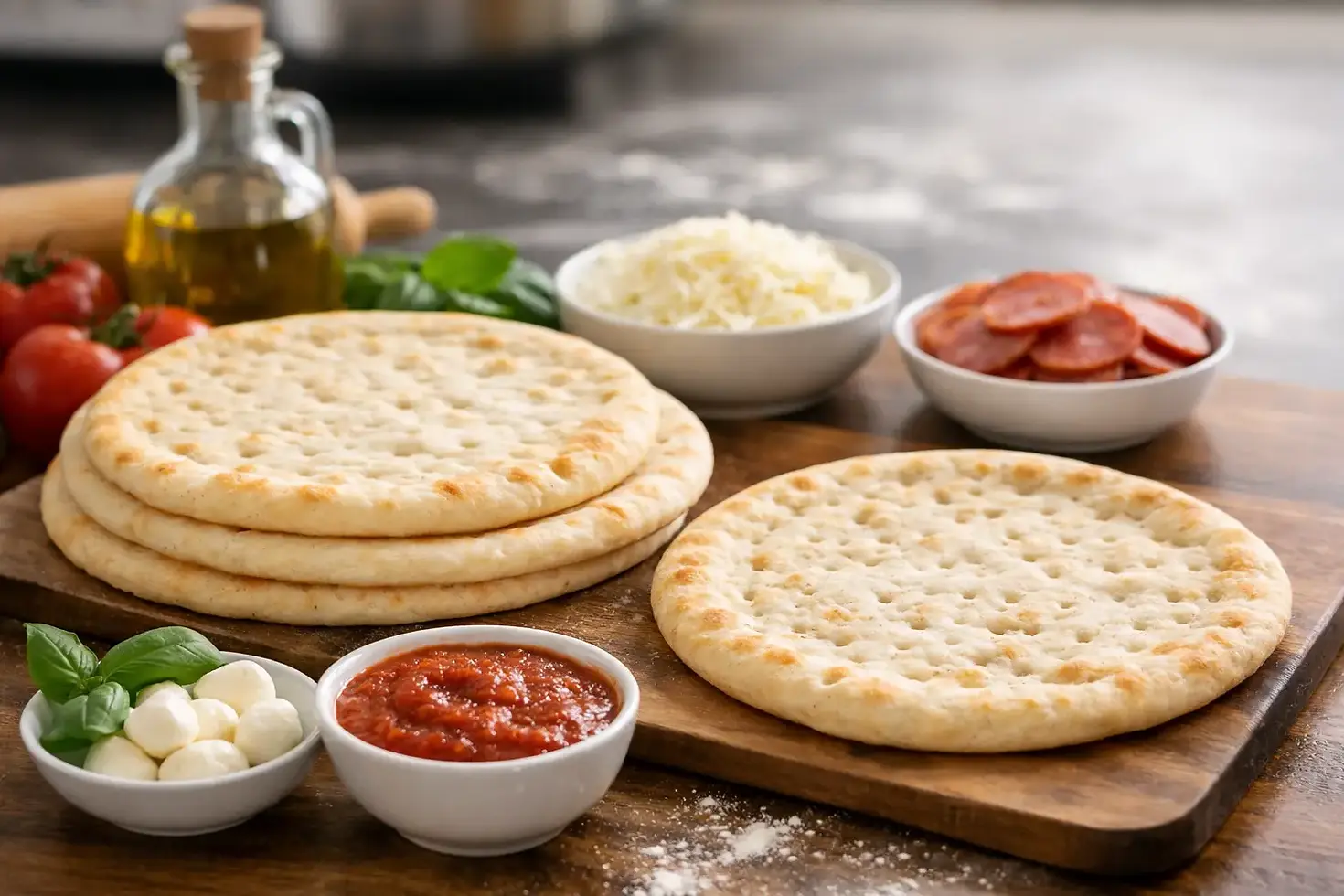
Pre Cooked Pizza Bases Done Properly
- Michael Fitzgerald

- 18 hours ago
- 6 min read
You can spot a bad shortcut pizza a mile off. The base goes cardboard at the edges, soggy in the middle, and somehow tastes both dry and underdone. That is exactly why pre cooked pizza bases get such mixed reviews. Done badly, they feel like a compromise. Done properly, they are one of the easiest ways to get restaurant quality pizza at home without wrestling with dough, proofing times, or a flour-covered kitchen.
For plenty of home cooks, that trade-off is worth getting right. Not everyone has the time to mix, ball, ferment and stretch dough for 48 hours, even if they care deeply about flavour. A well-made base bridges that gap. It gives you speed and consistency, but still leaves room for proper ingredients, high heat, and that all-important crust character. Trust the crust, yes - but make sure the crust has earned it.
What pre cooked pizza bases actually are
Pre cooked pizza bases are pizza rounds that have already had an initial bake before they reach your kitchen. That first bake sets the structure of the dough, so the base holds its shape, cooks faster, and is much easier to handle than raw dough. You add your sauce, cheese and toppings, then finish the pizza in your oven.
That sounds simple, because it is. But there is a big difference between a base that has been baked just enough to lock in the structure and one that has been baked so heavily it has no life left in it. The best versions still have character in the crust. They puff, blister and crisp when finished at high heat. The weaker ones just reheat.
This is where people often get caught out. They assume all ready-made bases are basically the same, when in reality the dough recipe, fermentation time, flour quality and bake level all change the final result. If the goal is proper pizza rather than emergency tea, those details matter.
Why pre cooked pizza bases suit home pizza lovers
If you own a pizza oven, or you are eyeing one up for summer weekends, pre cooked pizza bases make a lot of sense. Launching stretched dough is the bit that trips up most beginners. It sticks, tears, folds in half, or slides toppings all over the stone. A pre cooked base removes that stress without removing the fun.
They also work brilliantly for households that want flexibility. You can build different pizzas for different tastes, cook them fast, and keep the process relaxed. That matters if you are feeding children, hosting friends, or trying to put together a Friday night pizza spread without turning it into a full production.
There is a trade-off, of course. If you are chasing the full experience of handmade Neapolitan dough from mix to bake, a base will never replace that ritual. But if your real goal is a better pizza on a busy evening, it can be a smarter choice than starting from scratch or settling for a forgettable supermarket option.
How to choose better pre cooked pizza bases
Not all bases deserve space in your oven. The good ones start with proper dough, not just a list of stabilisers and shortcuts. If the dough has been made with decent flour, fresh yeast and enough fermentation time, you will taste the difference straight away. You get more flavour in the crust, better colour in the bake, and a texture that feels like pizza rather than toast.
Look closely at thickness, too. A very thick base can be useful if you want something more filling and sturdy, but it will not give you that classic Neapolitan lightness. A thinner artisan-style base tends to suit high heat better, especially if you want a crisp underside and a softer rim.
Bake level matters as well. A lightly pre-baked base gives you more oven spring and a fresher final texture. A heavily pre-baked one is easier to store and handle, but can tip into dryness. Neither is automatically wrong - it depends on your oven and what style you want - but if authenticity is the goal, lighter is usually better.
The biggest mistake people make with toppings
The base is only half the job. The fastest way to ruin a good pre cooked pizza base is to overload it. Too much sauce, too much cheese, and watery toppings are the main reason pizzas end up limp in the centre.
Use less than you think. A thin layer of sauce is enough. Cheese should be scattered, not piled. If you are using vegetables with a high water content, cook or drain them first. Fresh mozzarella is brilliant, but blot it dry before it goes anywhere near the pizza.
This is where restraint pays off. Proper pizza is about balance, not quantity. A good crust needs heat and space to do its thing. If you bury it under toppings, it cannot crisp properly and you lose the texture that made the base worth buying in the first place.
A note on sauce and cheese
Simple is usually stronger. A bright tomato sauce, good mozzarella and one or two well-chosen toppings will nearly always beat a chaotic pile-on. If your base has been made with care, let it show.
How to cook pre cooked pizza bases for the best results
The oven matters more than people think. Because pre cooked pizza bases are already set, your job is to finish them quickly and cleanly, not dry them out. That means high heat, a properly preheated surface, and a short bake.
If you are using a pizza oven, get it hot before the pizza goes in. You want the base to colour underneath while the toppings cook fast on top. If you are using a conventional oven, a pizza stone or steel will help massively. Let it preheat properly so the base gets a strong blast of heat from below.
The timing depends on the thickness of the base and the heat of your oven. That is the honest answer. There is no magic number that works for every setup. In a very hot pizza oven, it may only need a minute or two. In a domestic oven, it could be closer to six or eight minutes. The goal is the same either way - crisp underside, melted topping, and a crust that still has some chew.
Should you par-bake toppings first?
Sometimes, yes. Meats like raw sausage or mushrooms with lots of moisture can benefit from a quick pre-cook. It is not about fussiness. It is about avoiding a wet pizza and making sure everything finishes at the same time.
When a pre cooked base is a better choice than raw dough
Raw dough still wins on theatre and flexibility. You can shape it exactly how you like, get more rise in the rim, and enjoy that full from-scratch process. For a lot of pizza lovers, that is part of the point.
But pre cooked pizza bases are often the better tool when consistency matters most. They are ideal for quick midweek pizzas, first-time pizza oven users, family make-your-own nights, and occasions where you need speed without sacrificing standards. They are also a smart backup to keep on hand when you want pizza but have not planned ahead.
That convenience does not have to mean low quality. Brands that focus on proper fermentation and artisan technique prove that. At Dough Dorks, the whole point is convenience without compromise - giving home cooks a genuine shortcut, not a sad substitute.
Who gets the most from pre cooked pizza bases
If you love the idea of homemade pizza but not the unpredictability, this format is for you. It suits people who care about ingredients, want a more authentic result than a supermarket pizza can offer, and still need dinner to be realistic on a Tuesday.
It is also ideal for entertaining. Guests can build their own pizzas, you can turn them around quickly, and nobody is waiting while you stretch dough one ball at a time. You still get that fresh-from-the-oven moment, just with far less faff.
That balance is why this category keeps growing. People do not want lower standards. They want smarter shortcuts.
The best pre cooked pizza bases are not pretending to be something they are not. They are simply giving you a head start. Choose one made with proper dough, treat it with a bit of respect, and finish it at good heat. You will get a pizza that feels considered, tastes better than takeaway, and leaves you free to enjoy the part that matters most - eating it while it is still gloriously hot.


Comments