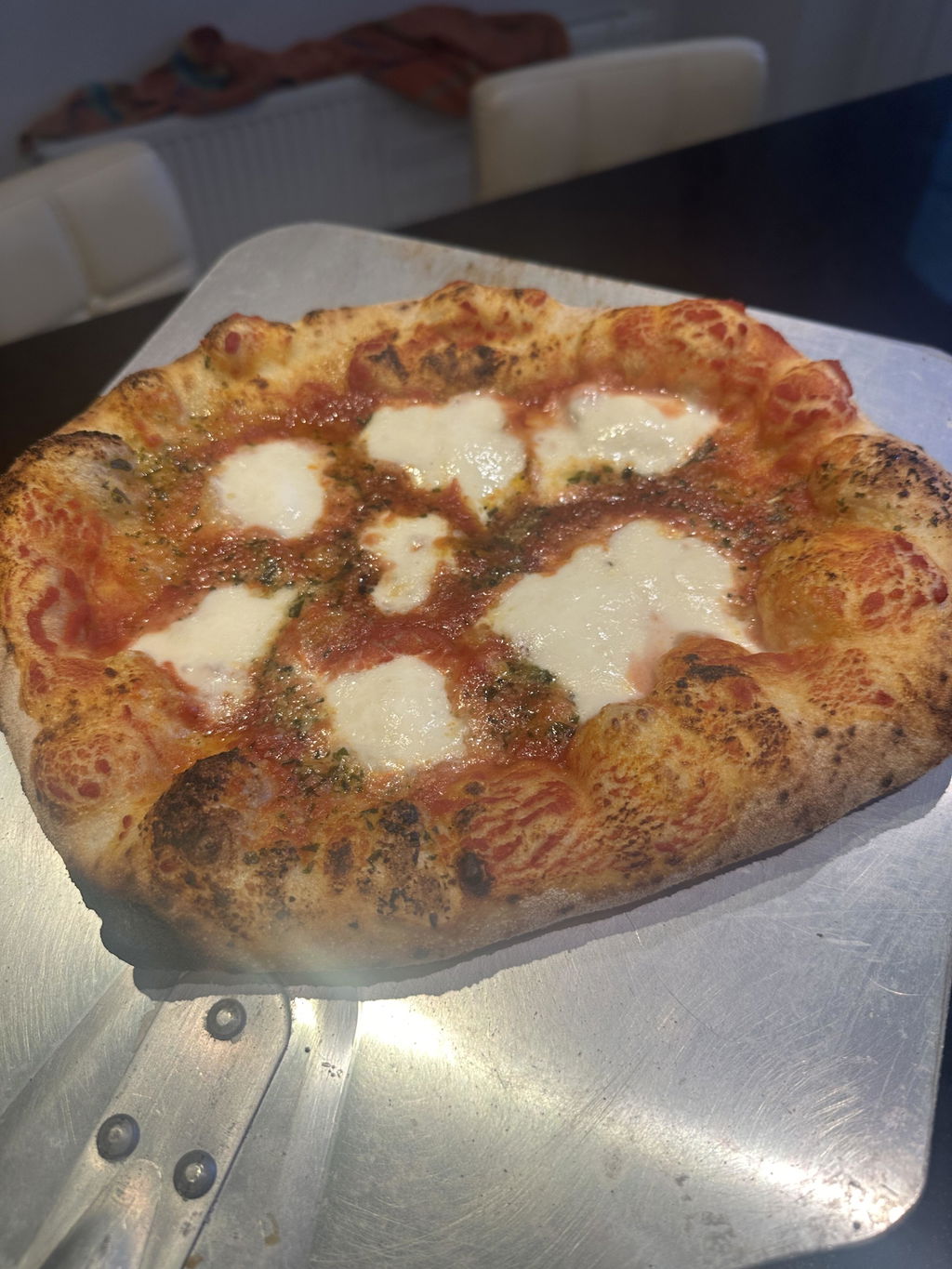
What Is Prosciutto? Crudo vs Cotto and How to Use It
Prosciutto is Italian dry-cured ham. Learn the difference between crudo and cotto, what it tastes like, and how to use it properly on pizza and beyond.
Prosciutto turns up everywhere from antipasti boards to pizza toppings, but there's more to it than "Italian ham". Here's what it actually is, the difference between the main types you'll come across, and how to get the best out of it at home.
What Is Prosciutto?
Prosciutto is Italian dry-cured ham, made from a pig's hind leg that's salted and left to air-dry for months, sometimes years, rather than being cooked. That slow curing process is what gives prosciutto its silky texture and concentrated, savoury-sweet flavour. Unlike cooked ham, it's eaten raw, typically sliced paper-thin.
The word "prosciutto" technically just means "ham" in Italian, but outside Italy it's become shorthand specifically for this dry-cured, uncooked style.
Prosciutto Crudo vs Prosciutto Cotto: What's the Difference?
This is where most of the confusion comes from, since both are labelled "prosciutto" but are completely different products:
- Prosciutto crudo is the raw, dry-cured version most people picture: salted, air-dried, and eaten as is. This is what you'll find labelled simply as "prosciutto" in most UK delis and supermarkets.
- Prosciutto cotto is cooked ham, similar in style to standard British or American ham. It's milder, softer, and doesn't have the same intense, cured flavour.
If a recipe or menu just says "prosciutto" without specifying, it almost always means prosciutto crudo, the dry-cured version.
What Does Prosciutto Taste Like?
Prosciutto crudo has a delicate, savoury-sweet flavour with a real depth from the long curing process, plus a subtle saltiness that builds as you eat it. The texture is soft and almost melts on the tongue, especially when sliced thinly, which is exactly how it's meant to be served.
How Do You Use Prosciutto?
Because prosciutto is cured rather than cooked, it's almost always added at the end of cooking or served cold, never baked from raw:
- On pizza: Add prosciutto after the pizza comes out of the oven, not before. Baking it dries it out and turns it tough and leathery instead of silky.
- Wrapped around fruit or vegetables: Classic pairings include melon, figs, or asparagus, where the salty prosciutto balances natural sweetness.
- In an antipasti spread: Served simply with good bread, olives and cheese.
- Torn over salads or pasta: Added just before serving so it stays soft rather than crisping up.
Why Prosciutto Goes on Pizza After Baking, Not Before
This is the detail that trips up a lot of home cooks. Prosciutto is already fully cured and doesn't need cooking, so baking it in the oven along with everything else just dries it out and makes it chewy and tough. The traditional approach, and the one that actually tastes right, is to add fresh slices to the pizza the moment it comes out of the oven. The residual heat warms the prosciutto through and lets the fat go slightly glossy, without cooking away its texture.
How Should Prosciutto Be Stored?
Once opened, prosciutto should be kept refrigerated and wrapped tightly, ideally in greaseproof paper rather than plastic, to stop it drying out or picking up other flavours in the fridge. It's best eaten within a few days of opening for the best texture and flavour.
Where to Buy Prosciutto in the UK

We stock authentic Italian Prosciutto Crudo, dry-cured and thinly sliced, ready to finish off a homemade pizza the traditional way. Pair it with our 48-hour fermented pizza dough balls for a proper Neapolitan-style base, and add the prosciutto once the pizza is out of the oven for the best result.
PIZZA NIGHT, SORTED
Build the pizza with proper Italian ingredients
Shop Italian toppings, then add 48-hour fermented dough balls from Dorset for a complete pizza night.
-
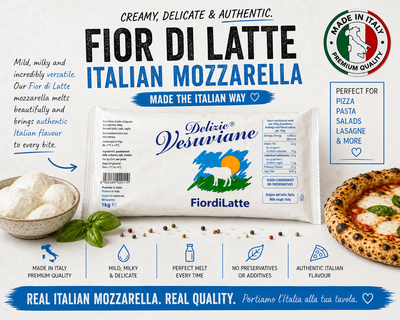 Delizie Vesuviane Fior di Latte – 1kg
£13.99
Delizie Vesuviane Fior di Latte – 1kg
£13.99
-
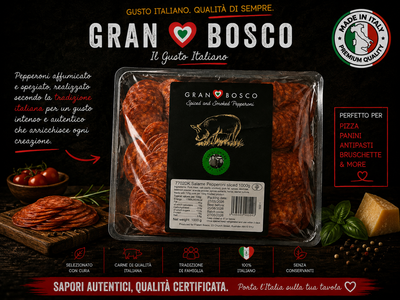 Gran Bosco, Smoked Sliced Pepperoni – 1kg
£20
Gran Bosco, Smoked Sliced Pepperoni – 1kg
£20
-
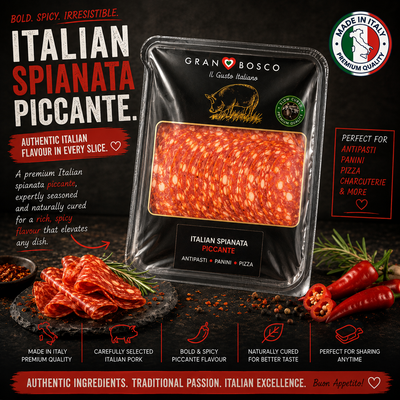 Gran Bosco - Italian Spianata Piccante 250g
£9
Gran Bosco - Italian Spianata Piccante 250g
£9
Handmade in Dorset • Free UK delivery over £50 • Free proofing pot with every dough ball